Have you ever walked through the baking aisle at a grocery store and noticed bags of flour that aren’t the regular white kind? Maybe you’ve seen something labeled “chickpea flour” or “besan” and wondered what it actually is. Well, get ready to discover one of the coolest and most versatile ingredients in the world: chana flour! This golden-colored powder has been a kitchen superstar in South Asian cooking for thousands of years, and it’s now becoming super popular all around the globe.
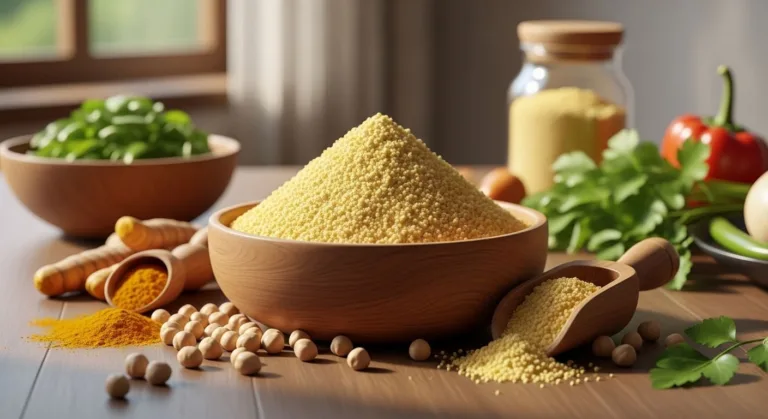
Here’s the really interesting part: chana flour is made by grinding up dried chickpeas (also called garbanzo beans or chana) into a fine powder. It’s basically taking those little round beans you might see in salads or hummus and turning them into something completely different. What makes this flour so special is that it’s packed with protein, naturally gluten-free, and can be used in everything from pancakes to face masks (yes, you read that right!). It’s like the Swiss Army knife of ingredients.
In this article, we’ll explore what makes chana flour so amazing, how it’s produced from farm to package, why it’s healthier than regular flour, and all the surprising ways people use it. Whether you’re curious about nutrition, interested in cooking, or just want to understand what makes this ingredient special, you’re about to learn something that might actually change how you think about food. Let’s dive in!
What Exactly Is Chana Flour and Where Does It Come From?
Chana flour, also called besan in Hindi or gram flour in some places, starts its life as chickpeas growing in fields. Chickpeas are legumes, which means they’re related to beans, peas, and lentils. They grow in pods on bushy plants that can handle pretty tough conditions, which is part of what makes them so popular around the world. Farms like Multanfarms.com grow high-quality chickpeas that eventually become this amazing flour.
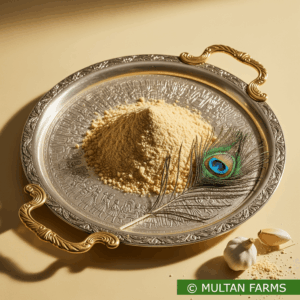
The process of turning chickpeas into flour is actually pretty straightforward, but it requires careful attention to quality. First, farmers harvest the chickpea pods when they’re fully mature and dry. Then the chickpeas are removed from the pods, cleaned thoroughly, and dried even more to make sure there’s absolutely no moisture left. This drying step is super important because any moisture could make the flour clumpy or cause it to spoil. Finally, the dried chickpeas are ground into a fine powder using special mills. The result is a pale yellow flour with a slightly nutty, earthy smell.
What’s really cool is that there are actually two main types of chana flour. One is made from regular chickpeas (the light tan ones you usually see), and the other comes from black chickpeas, which are smaller and darker. They taste slightly different, kind of like how dark chocolate and milk chocolate are both chocolate but have their own unique flavors. Most of the chana flour you’ll find in stores comes from the regular light-colored chickpeas.
Why Is Chana Flour So Much Healthier Than Regular Flour?
If you compare chana flour to regular all-purpose white flour, it’s like comparing a superhero to a regular person. Both can get the job done, but one has way more powers! Chana flour is loaded with nutrients that regular wheat flour just can’t match, especially after wheat gets processed and stripped of most of its good stuff.
Let’s talk protein first. While regular flour has some protein, chana flour has about double the amount! This matters because protein is what your body uses to build and repair muscles, keep your immune system strong, and even make your hair and nails healthy. One cup of chana flour packs around 20 grams of protein, which is almost as much as eating three eggs. For people who don’t eat meat or are trying to add more protein to their diet, this is a game-changer.
Here’s another awesome benefit: chana flour is naturally gluten-free. Gluten is a protein found in wheat, barley, and rye that some people can’t digest properly. For folks with celiac disease or gluten sensitivity, regular flour makes them feel sick, but chana flour is totally safe. It’s also packed with fiber (which helps your digestion work smoothly), iron (which carries oxygen in your blood), and B vitamins (which give you energy). Think of it as regular flour’s much healthier, more athletic cousin!
How Do People Actually Use This Magical Flour?
Now here’s where things get really fun! Chana flour isn’t just sitting in kitchens looking pretty, it’s being used in so many creative ways that might surprise you. In Indian, Pakistani, and Bangladeshi cooking, it’s been a staple ingredient for centuries, and for good reason.
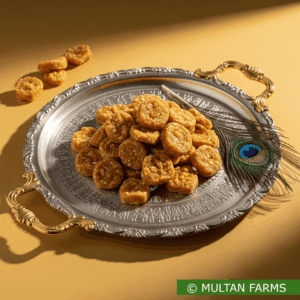
One of the most popular uses is making pakoras, which are basically vegetable fritters. You mix chana flour with water and spices to create a thick batter, dip vegetables like onions, potatoes, or spinach into it, and then deep-fry them until they’re golden and crispy. They’re kind of like fancy, healthier versions of onion rings! The flour creates this amazing crunchy coating that’s absolutely delicious. People also use it to make traditional flatbreads, pancakes, and even desserts like a sweet fudge called besan ladoo.
But wait, the uses don’t stop at food! Here’s something that might blow your mind: chana flour has been used in beauty treatments for literally hundreds of years. People mix it with yogurt, turmeric, or rose water to create face masks that help clean skin and make it glow. The flour is gentle enough to use as a natural exfoliant, which means it scrubs away dead skin cells without being too harsh. It’s like having a skincare product and a cooking ingredient all in one package. Pretty cool, right?
What Makes Chana Flour Different When You Cook With It?
If you’re thinking about swapping regular flour for chana flour in your favorite recipes, hold on a second! While chana flour is amazing, it behaves differently than wheat flour, and understanding these differences will help you use it successfully.
First, chana flour has a stronger, more distinct flavor than regular flour. It’s got this earthy, nutty taste that some people describe as “beany” (because, well, it comes from beans!). This flavor actually mellows out and becomes delicious when you cook it, but eating it raw isn’t recommended. In fact, uncooked chana flour can taste pretty bitter and might upset your stomach. Always make sure to cook it thoroughly before eating.
Second, because it doesn’t contain gluten, chana flour doesn’t stretch and rise the same way regular flour does. Gluten is what makes bread dough stretchy and helps cakes rise all fluffy and light. Without it, you need to adjust recipes or combine chana flour with other ingredients to get the texture you want. For example, if you’re making pancakes with chana flour, you might need to add a bit of baking powder and maybe an egg or flax “egg” to help them hold together and get fluffy.
The good news is that chana flour is amazing at binding ingredients together and creating crispy coatings, which is why it’s perfect for things like veggie burgers, fritters, and as a coating for fried foods. It absorbs liquid differently than wheat flour too, so you usually need less of it in recipes. Think of it like this: if wheat flour is like a sponge, chana flour is more like a paper towel, it soaks stuff up faster and you don’t need as much!
How Are Farms Growing Chickpeas for Flour Today?
Growing chickpeas for chana flour is actually pretty interesting from an environmental perspective. Chickpeas are what scientists call nitrogen-fixing plants, which sounds complicated but is actually really cool. Basically, chickpea plants have a special relationship with certain bacteria in the soil that helps them pull nitrogen from the air and turn it into a form that plants can use as food. This means farmers don’t need to use as much chemical fertilizer, which is better for the environment and saves money too!
Chickpea plants are also pretty tough and can grow in conditions where other crops might struggle. They don’t need a ton of water compared to crops like rice or corn, which makes them a smart choice for areas where water is scarce. Farms like Multanfarms.com focus on sustainable growing practices that protect the soil and use resources wisely, ensuring that chickpeas can keep being grown for generations to come.
Modern chickpea farming often uses crop rotation, which means farmers alternate what they plant in their fields each season. One year they might grow chickpeas, the next year wheat or another crop. This practice keeps the soil healthy and prevents pests and diseases from building up. It’s kind of like how eating a variety of foods keeps you healthier than eating the same thing every single day!
Can You Make Your Own Chana Flour at Home?
Here’s something fun: you can actually make your own chana flour at home if you’re feeling adventurous! While it won’t be as fine and perfect as what you buy from farms like Multanfarms.com (they have professional equipment for a reason), it’s a cool experiment and helps you understand the process better.
All you need is dried chickpeas and a powerful blender or food processor. Start with completely dry chickpeas (not the canned ones, those are already cooked and won’t work). Put about a cup of chickpeas into your blender and blend on high speed until they turn into a fine powder. You might need to stop and shake the blender a few times to make sure everything gets ground evenly. Be patient, this can take several minutes!
Once you’ve got your powder, sift it through a fine-mesh strainer to catch any bigger pieces that didn’t grind all the way. Those bigger pieces can go back in the blender for another round. The flour you make at home might be slightly coarser than store-bought, but it’ll work great in recipes and you’ll have the satisfaction of knowing you made it yourself. Just remember to store it in an airtight container in a cool, dry place, and use it within a month or two for the best flavor!
Wrapping It All Up
Chana flour is way more than just ground-up chickpeas. It’s a nutritional powerhouse that’s been feeding people for thousands of years, a versatile ingredient that shows up in everything from crispy snacks to beauty treatments, and an environmentally friendly crop that’s actually good for the soil where it grows. Whether you’re interested in healthier eating, exploring foods from different cultures, or just trying something new in the kitchen, chana flour deserves a spot on your radar.
The best part? As more people discover the benefits of this amazing flour, farms like Multanfarms.com are working to make high-quality chana flour more available and accessible. It’s not just some exotic ingredient anymore, it’s becoming a mainstream option for anyone who wants to add more protein, fiber, and nutrients to their diet without sacrificing flavor or fun.
So here’s a question for you: knowing everything you now know about chana flour, what would you want to try making with it first? Maybe some crispy vegetable pakoras for a snack, or perhaps you’d experiment with making gluten-free pancakes? Or would you go bold and try using it as a face mask? Whatever you choose, you’ll be joining millions of people around the world who already know that this golden flour is pretty much amazing!