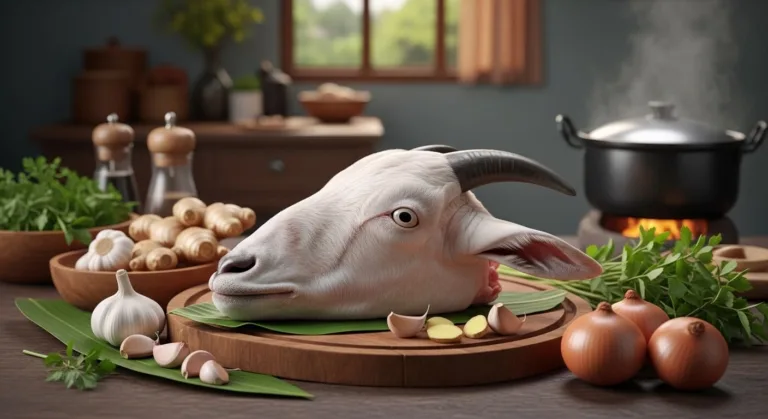
Okay, I know what you’re thinking. “Goat head? That sounds kind of gross!” But hold on a second before you completely dismiss this idea. In many cultures around the world, including Pakistan, goat head is considered an incredible delicacy and a superfood packed with nutrients that can do amazing things for your body. It’s kind of like how some people think eating bugs is weird, but in other countries, they’re considered tasty snacks full of protein!
The truth is, people have been eating goat head for thousands of years, and there’s a good reason why this tradition has survived so long. Every part of the goat head, from the tender cheek meat to the nutrient-rich brain, offers different health benefits that you just can’t get from regular muscle meat. It’s like nature’s multivitamin, except it comes in a form that might surprise you.
In this article, we’re going to explore the fascinating benefits of goat head and why it’s valued so highly in places like Pakistan. You’ll learn about the nutrients it contains, how it can help your body stay strong and healthy, and why farms like those featured on Multanfarms.com take pride in raising goats that provide this nutritious food. Ready to discover something totally unexpected? Let’s dive in!
Brain Food That Actually Helps Your Brain
Let’s start with one of the most nutritious parts of the goat head: the brain. Now, I know eating brain sounds super weird, but hear me out! Goat brain is incredibly rich in something called omega-3 fatty acids. These are special fats that your own brain absolutely loves and needs to function properly. Think of omega-3s as premium fuel for your brain cells, helping them communicate better and work more efficiently.
Eating foods rich in omega-3s, like goat brain, can actually help improve your memory and concentration. It’s like giving your brain a power-up in a video game! Students in countries where goat brain is commonly eaten have known about this benefit for generations. The brain also contains high levels of vitamin B12, which helps your body make new blood cells and keeps your nerves healthy.
But that’s not all! Goat brain is packed with phosphorus, a mineral that works with calcium to build strong bones and teeth. So while you’re feeding your brain, you’re also strengthening your skeleton. It’s a two-for-one deal that nature designed perfectly!
Cheek Meat: The Collagen Champion
The meat from a goat’s cheeks might sound unusual, but it’s actually one of the most tender and flavorful parts of the entire animal. What makes it extra special is that it’s loaded with collagen, a protein that acts like glue holding your body together. Collagen is what keeps your skin smooth, your joints flexible, and your hair and nails strong and healthy.
When you’re young, your body makes plenty of collagen naturally. But as people get older, they start producing less of it, which is why adults are always buying expensive collagen supplements! By eating collagen-rich foods like goat cheek meat, you’re giving your body the building blocks it needs to maintain healthy skin and joints. It’s like doing preventive maintenance on a car, except the car is your body!
Here’s something cool: when goat cheek meat is cooked slowly, the collagen breaks down into something called gelatin. This makes the meat super tender and creates a rich, nutritious broth that’s easy for your body to digest and absorb. Traditional cooks have known this secret for centuries, which is why slow-cooked goat head dishes are so popular in Pakistani cuisine.
Tongue: More Than Just Talk
The goat tongue might make you giggle (it definitely sounds funny!), but this muscle is packed with important nutrients that your body needs. Goat tongue is an excellent source of iron, a mineral that’s absolutely crucial for carrying oxygen throughout your body. Without enough iron, you’d feel tired and weak all the time, like trying to run a race while holding your breath!
Iron from meat sources like goat tongue is called “heme iron,” and it’s the type your body absorbs most easily. This is especially important for growing kids and teenagers who need lots of iron to support their rapidly developing bodies. It’s like having a delivery service that brings oxygen to every single cell in your body, keeping you energized and alert.
Goat tongue also contains high amounts of zinc, another mineral that’s super important for your immune system. Zinc helps your body fight off germs and heal wounds faster. Think of it as your body’s defense team getting a major upgrade! Plus, tongue meat is relatively low in fat compared to other parts, making it a lean protein option that builds muscle without adding too much extra calories.
Eyes and Other Parts: Hidden Nutritional Gems
Now we’re getting into parts that might seem really strange, but stay with me! The eyes and other tissues of the goat head contain unique nutrients that are hard to find anywhere else. For example, the eyes are rich in vitamin A, which (ironically!) is essential for good vision. It’s like the goat is literally giving you what you need to see better!
Vitamin A doesn’t just help your eyes, though. It also supports your immune system and keeps your skin healthy. Without enough vitamin A, you might have trouble seeing in dim light, and your skin could become dry and rough. The tissues around the goat head also contain taurine, an amino acid that helps your heart pump strong and steady, kind of like a personal trainer for your cardiovascular system.
Different parts of the goat head work together to provide a complete nutritional package. The cartilage contains glucosamine, which helps keep your joints moving smoothly. The connective tissues provide different types of proteins that your body uses to repair and build new cells. It’s like getting a complete tool kit instead of just a single hammer!
Traditional Wisdom Meets Modern Nutrition
For centuries, people in Pakistan and other cultures have prepared goat head in special ways, often cooking it slowly with aromatic spices and herbs. This isn’t just about making it taste good (although it definitely does!). The traditional cooking methods actually help make the nutrients more available for your body to use. When you cook bones and connective tissue for a long time, you create a rich broth that’s packed with minerals like calcium, magnesium, and phosphorus.
Modern nutritional science is now confirming what traditional cooks knew all along: these “odd” parts of animals are nutritional powerhouses! Scientists have discovered that eating a variety of animal parts, not just muscle meat, provides a more complete range of nutrients. It’s like eating the whole rainbow of fruits and vegetables instead of just one color.
At farms like those featured on Multanfarms.com, goats are raised with care and proper nutrition, which means the meat and other parts they provide are of the highest quality. Healthy, well-fed goats produce more nutritious food for people to eat. It’s a cycle of good health that starts on the farm and ends up benefiting families!
Real-World Benefits You Can Actually Feel
So what does all this nutrition actually do for you in real life? Well, people who regularly eat nutrient-dense foods like goat head often report having more energy throughout the day. Instead of feeling sluggish after lunch, they stay alert and focused. Athletes and active people particularly value these foods because they help muscles recover faster after exercise.
The high protein content in goat head also helps you feel full and satisfied after eating, which means you’re less likely to reach for unhealthy snacks later. It’s like filling up your car’s gas tank completely instead of putting in just a little bit. You can go further without needing a refill! The combination of proteins, healthy fats, and minerals works together to support your body’s growth and development during these important teenage years.
Many people also notice improvements in their skin, hair, and nails after regularly eating collagen-rich foods. While you won’t turn into a superhero overnight, over time these nutrients help your body maintain itself better. It’s a long-term investment in your health, kind of like saving money in a piggy bank that pays you back with better health!
Cultural Significance and Sustainability
Beyond just nutrition, eating goat head is also about respecting the animal and reducing waste. When farmers raise goats for food, using every part of the animal, including the head, shows appreciation for the animal’s sacrifice. It’s the opposite of wasteful, and it’s much more sustainable than throwing perfectly good, nutritious food away.
In many Pakistani families, dishes made from goat head are served during special occasions and celebrations. It’s a way of honoring guests and sharing the very best foods available. The preparation of goat head dishes is often a skill passed down through generations, with each family having their own special recipes and techniques. This cultural tradition helps keep families connected to their heritage while also providing excellent nutrition.
From an environmental standpoint, using the whole animal is much better for our planet. It means we need to raise fewer animals to feed the same number of people, which reduces the environmental impact of farming. It’s a win-win situation: better for your health and better for Earth!
Opening Your Mind to New Foods
Look, I get it. The idea of eating goat head probably seems pretty wild, especially if you grew up eating mostly burgers, pizza, and chicken nuggets. But here’s the thing: billions of people around the world eat and enjoy these foods every single day. What seems strange in one culture is completely normal, and even special, in another.
The benefits of goat head, from brain-boosting omega-3s to joint-supporting collagen, from energy-providing iron to vision-protecting vitamin A, make it clear why this food has been valued for so long. Whether it’s prepared in traditional Pakistani curries, slow-cooked stews, or grilled with spices, goat head offers nutrition that’s hard to match with other foods.
Maybe you’re not ready to try goat head tomorrow, and that’s totally okay! But understanding its benefits helps you appreciate different food cultures and the wisdom behind traditional eating practices. The next time someone mentions eating something that sounds weird to you, remember that there might be some seriously good reasons behind it. Who knows what other nutritional secrets are hiding in foods you’ve never considered trying? What food from another culture would you be brave enough to taste?