Have you ever bitten into a piece of warm, buttery cornbread and wondered what makes it taste so different from regular bread? Or maybe you’ve noticed those bright yellow tortilla chips at the store and thought about what they’re made from? The answer to both questions is the same: makai atta! But what exactly is this golden flour, and why is it becoming such a popular ingredient in kitchens around the world?
Makai atta might sound like a fancy, foreign term, but it’s actually something super simple. “Makai” is the Hindi word for corn, and “atta” means flour. So basically, makai atta is just corn flour, but don’t let its simplicity fool you! This golden powder has been feeding families for thousands of years and is packed with some pretty amazing benefits. From the ancient civilizations of Central America to modern kitchens in Asia, Africa, and beyond, people have been grinding corn into flour and creating delicious, nutritious foods.
In this article, we’re going to explore everything about makai atta, from how it’s made to why it’s actually really good for you. We’ll discover the surprising ways it’s different from regular wheat flour, learn about the cool dishes you can make with it, and find out why more and more people are adding it to their diets. Get ready to see corn in a whole new light!
What Exactly Is Makai Atta and How Is It Made?
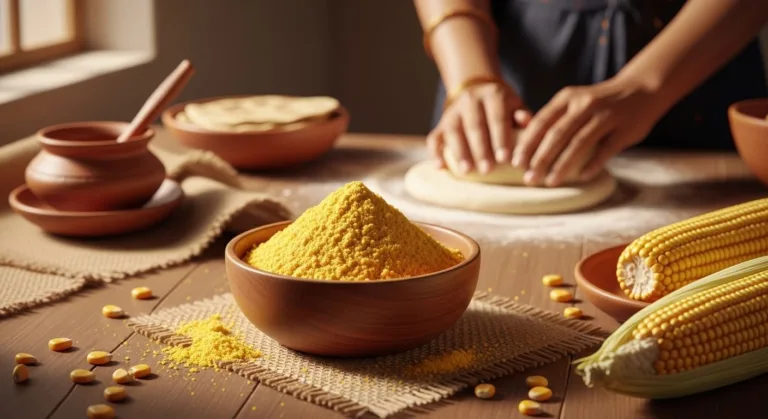
Let’s start with the basics. Makai atta is made by grinding dried corn kernels into a fine powder. Imagine taking those yellow corn kernels you see on a corn cob, drying them out completely until they’re hard, and then crushing them into a flour. That’s essentially how makai atta is created! The process is actually pretty fascinating when you think about it.
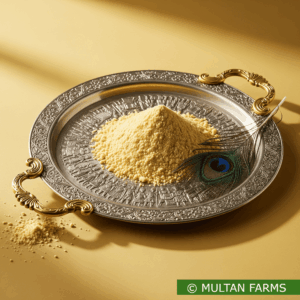
First, farmers harvest corn when it’s fully mature and the kernels are hard. Then, these kernels are dried either in the sun or using special drying equipment. Once they’re completely dry (and we’re talking bone dry, like crackers), they’re ready to be ground. Traditional methods involve using stone mills, where two large stones grind against each other to crush the kernels into powder. Modern methods use electric mills that can process corn much faster, but the end result is the same: a fine, golden-yellow flour that smells slightly sweet and nutty.
What makes makai atta different from cornmeal or cornstarch? Great question! It’s all about how finely the corn is ground. Cornmeal is coarser and grittier, kind of like sand, while makai atta is ground much finer, more like the texture of regular flour. Cornstarch, on the other hand, is made from just the starchy part of the corn kernel, while makai atta uses the whole kernel. Think of it this way: cornmeal is like chunky peanut butter, makai atta is like creamy peanut butter, and cornstarch is like peanut oil, all from the same source but processed differently!
The Nutrition Superpower Hidden in Yellow Flour
Now, here’s where makai atta gets really interesting. This golden flour isn’t just pretty to look at, it’s actually packed with nutrients that your body needs! Unlike white wheat flour, which has a lot of its good stuff stripped away during processing, makai atta keeps most of its natural goodness.
First up, makai atta is naturally gluten-free. Gluten is a protein found in wheat, barley, and rye that some people can’t digest properly. For anyone with celiac disease or gluten sensitivity, makai atta is like finding a treasure chest of possibilities! You can make breads, tortillas, and all sorts of baked goods without worrying about gluten. Even if you don’t have any gluten issues, it’s nice to have options, right?
But wait, there’s more! Makai atta is loaded with fiber, which is basically the roughage that helps your digestive system work smoothly. Think of fiber as a broom that sweeps through your intestines, keeping everything clean and moving along nicely. One cup of makai atta has way more fiber than the same amount of white wheat flour. It also contains important vitamins like vitamin A (great for your eyes), B vitamins (good for energy), and minerals like magnesium, iron, and zinc. It’s like a multivitamin, but in flour form!
Here’s a cool fact: the yellow color of makai atta comes from natural antioxidants called carotenoids. These are the same compounds that make carrots orange and are really good for your health. They help protect your cells from damage, kind of like having tiny shields guarding your body from harm. Who knew that something as simple as flour could be so beneficial?
From Ancient Civilizations to Your Kitchen Table
Let’s take a quick trip back in time! Corn has been around for thousands of years, and it all started in Central America and Mexico. The ancient Aztec and Mayan civilizations didn’t just eat corn, they worshipped it! They believed corn was sacred and even had special gods dedicated to it. These smart ancient people figured out how to grind corn into flour and make it into all sorts of foods.
When European explorers came to the Americas in the 1400s and 1500s, they were amazed by corn. They’d never seen anything like it before! They took corn seeds back to Europe, and from there, corn spread all over the world. Today, corn is grown on every continent except Antarctica (too cold for corn!). Each culture that adopted corn developed its own special ways of using makai atta.
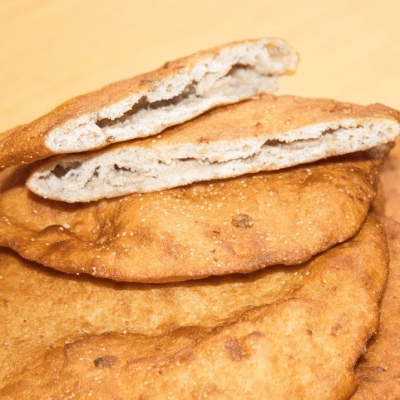
In India and Pakistan, people make delicious flatbreads called “makki ki roti” from makai atta. These golden, slightly sweet breads are especially popular in the winter and are often served with a yummy mustard greens dish called “sarson ka saag.” In Mexico and Central America, makai atta is turned into masa (a special dough) and used to make tortillas, tamales, and chips. In Africa, it’s made into a thick porridge called “ugali” or “pap.” It’s amazing how one simple ingredient can be transformed into so many different dishes across the world!
Cooking with Makai Atta: It’s Different (But in a Good Way!)
If you’re used to baking with regular wheat flour, working with makai atta will feel a bit different, and that’s totally okay! Understanding these differences will help you become a makai atta master in no time. First thing you’ll notice: makai atta doesn’t have gluten, which means it doesn’t get stretchy and elastic like wheat dough does.
Remember making play-dough or working with bread dough? You can stretch it, fold it, and it bounces back. That’s gluten at work. Makai atta dough is more crumbly and doesn’t stick together as easily. It’s like comparing wet clay (wheat flour) to wet sand (makai atta). This means you often need to add more liquid or binding ingredients like eggs, yogurt, or a little wheat flour to help it hold together better.
But here’s the cool part: makai atta adds a slightly sweet, nutty flavor to everything you make! Cornbread made with makai atta tastes rich and has a beautiful golden color. Pancakes get a sweet corn flavor that’s absolutely delicious. You can even use it to make a crispy coating for fried foods, it creates a crunchy texture that’s different from regular flour breading.
Here are some awesome ways to use makai atta:
- Mix it half-and-half with wheat flour for softer rotis or tortillas
- Make traditional cornbread or corn muffins
- Use it to thicken soups and stews
- Create crispy coatings for chicken or vegetables
- Bake cookies and cakes with a unique corn flavor
- Make polenta, a creamy Italian dish that’s like fancy corn porridge
Why More People Are Choosing Makai Atta Today
In recent years, makai atta has been getting more attention, and there are some really good reasons why! First, more people are becoming aware of food allergies and sensitivities. With makai atta being naturally gluten-free, it’s become a go-to flour for people who need alternatives to wheat. It’s like having a backup quarterback who’s actually really talented!
Second, people are realizing that eating a variety of grains is better than sticking to just one. For centuries, wheat has been the star player in many countries’ diets, but nutritionists now recommend mixing things up. Different grains provide different nutrients, so eating wheat one day, corn the next, and maybe rice or millet another day gives your body a wider range of vitamins and minerals. It’s like eating a rainbow of foods, the more variety, the better!
There’s also a growing interest in traditional and heritage foods. People want to connect with their cultural roots and try recipes that their great-grandparents might have made. Makai atta plays a big role in many traditional cuisines, so learning to cook with it is like taking a delicious journey through history. Plus, in many places, corn is grown locally, which means choosing makai atta can support local farmers and reduce the environmental impact of transporting food long distances.
The Environmental Side of the Story
Here’s something that might surprise you: corn is actually a pretty efficient crop to grow! Compared to wheat, corn produces more food per acre of land. That means farmers can grow more corn in the same amount of space, which is important as the world’s population keeps growing and we need to feed more people.
Corn is also pretty tough and can grow in different climates and conditions. It doesn’t need as much water as rice, and it can handle hotter temperatures better than wheat. Of course, like all farming, growing corn has environmental impacts, but when it’s grown responsibly using sustainable farming practices, it can be a smart choice. At Multanfarms.com, there’s a focus on growing quality corn in ways that take care of the land for future generations.
Another cool environmental benefit? Every part of the corn plant can be used! The kernels become makai atta, the cobs can be used for animal bedding or even turned into biofuel, and the stalks can be composted or used as animal feed. It’s like the plant version of “waste not, want not!” When you choose products made from corn, you’re supporting a crop that tries to use every bit of what it produces.
Making Makai Atta Part of Your Life
So how can you start using makai atta? The good news is that it’s easier than you might think! You don’t have to completely switch from wheat flour to makai atta overnight. Start small by experimenting with simple recipes. Try making cornbread or corn tortillas, these are pretty forgiving recipes that are hard to mess up!
You can also start by mixing makai atta with regular flour in your favorite recipes. Try replacing 25% of the wheat flour in your pancake recipe with makai atta. You’ll get a slight corn flavor and a lovely golden color, plus some extra nutrition! If that works well, try increasing it to 50% next time. It’s all about finding what tastes good to you.
When shopping for makai atta, look for flour that’s finely ground and has a bright, golden-yellow color. It should smell fresh and slightly sweet, not musty or stale. Store it in an airtight container in a cool, dry place, and it’ll stay fresh for months. Some people even keep it in the refrigerator or freezer to make it last even longer!
Conclusion: The Golden Flour with a Bright Future
From ancient civilizations to modern kitchens, makai atta has proven itself to be so much more than just ground corn. It’s a nutritious, versatile, gluten-free flour that connects us to traditions from around the world while fitting perfectly into today’s health-conscious lifestyle. Whether you’re looking for alternatives to wheat, trying to add more variety to your diet, or just curious about trying new foods, makai atta is definitely worth exploring!
The beautiful thing about makai atta is that it’s both simple and special at the same time. It’s just dried corn ground into powder, yet it opens up a whole world of cooking possibilities and brings important nutrients to your plate. As more people discover the benefits and delicious taste of this golden flour, it’s clear that makai atta isn’t just a trend, it’s a timeless ingredient that’s here to stay. So, are you ready to add some golden goodness to your next meal? What dish will you try making with makai atta first?