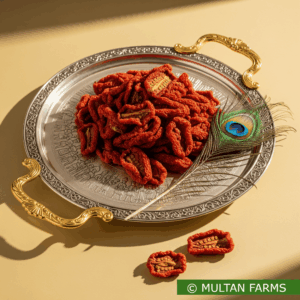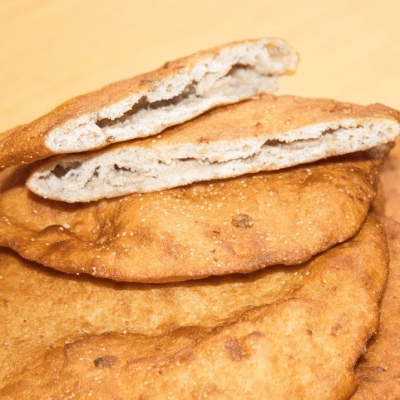
Imagine biting into a piece of candy that’s so rich, so sweet, and so perfectly chewy that it feels like a celebration in your mouth. Now picture that this treat takes hours and hours to make, requires serious arm strength to stir, and has been a treasured recipe for hundreds of years. That’s Multan halwa, one of the most famous and beloved sweets from Pakistan! This isn’t your ordinary dessert that you can whip up in five minutes. Nope, this is something special, something that carries history, tradition, and a whole lot of love in every single bite.
Multan halwa gets its name from the city where it was born, Multan, which is located in the Punjab province of Pakistan. This city has been around for thousands of years and is famous for many things, like its beautiful shrines, delicious mangoes, and of course, this incredible sweet. The halwa from Multan is so unique that people travel from all over just to taste the authentic version. It’s kind of like how people might travel to get the best pizza in Italy or the best hot dogs in New York City!
In this article, we’re going to dive deep into the world of Multan halwa. You’ll discover what makes it so special, how it’s traditionally made, why it takes so much effort to create, and what makes the authentic version from places like Multanfarms.com stand out from imitations. Get ready, because once you learn about this amazing treat, you’ll definitely want to try it!
What Exactly Is Multan Halwa?
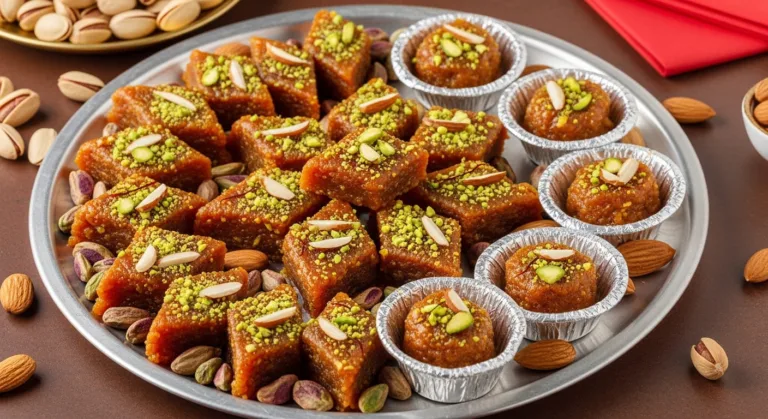
Let’s start with the basics. Multan halwa is a type of sweet confection that’s dense, chewy, and translucent. When you hold a piece up to the light, you can actually see through it a little bit, which is pretty cool! The color ranges from amber to deep reddish-brown, kind of like honey or caramel, and it has a texture that’s somewhere between a gummy candy and fudge. When you bite into it, it’s firm but still soft enough to chew easily.
The main ingredients are surprisingly simple: corn flour (or sometimes wheat flour), sugar, ghee (which is clarified butter), and water. That’s basically it! But here’s the crazy part, even though the ingredient list is short, making authentic Multan halwa is incredibly difficult. It requires constant stirring for hours, precise temperature control, and years of experience to get it just right. It’s like how a professional chef can make an amazing omelet with just eggs, butter, and salt, but when you try it at home, it never tastes quite the same.
Traditional Multan halwa also comes in different flavors and varieties. Some have nuts like almonds or pistachios mixed in, while others might have a touch of cardamom for extra flavor. The classic version is plain, letting the rich, caramelized sweetness speak for itself. At Multanfarms.com, they understand the importance of using quality ingredients to create halwa that honors the traditional recipe while maintaining consistent, delicious results.
The Mind-Blowing Process of Making Multan Halwa
Okay, get ready for this because the traditional way of making Multan halwa is seriously intense! The process starts super early in the morning, sometimes before the sun even comes up. Why? Because it takes anywhere from 6 to 10 hours of continuous cooking to make a single batch! Imagine standing over a hot stove, stirring a giant pot for half a day. Your arms would probably feel like noodles by the end!
Here’s how it works: first, the corn flour is mixed with water to create a smooth mixture. Then, this mixture goes into a huge, heavy-bottomed pot with sugar and ghee. Now comes the hard part, someone has to stir this mixture constantly, and I mean constantly, over medium heat. If you stop stirring, the mixture will burn and stick to the bottom, ruining the entire batch. It’s like trying to keep a campfire at the perfect temperature, too hot and everything burns, too cool and nothing cooks properly.
As the mixture cooks, something magical happens. It starts to change color, going from pale and cloudy to darker and more translucent. The sugar caramelizes, giving the halwa that beautiful amber color and deep, complex sweetness. The ghee gets absorbed, making the halwa rich and giving it that signature shine. Master halwa makers can tell just by looking at the texture and color when it’s ready. They’ve been doing this for so long that they can sense it, kind of like how you might know when your favorite song is about to hit the best part without even looking at the timer.
Why Is Authentic Multan Halwa So Hard to Find?
You might be wondering, “If it’s just flour, sugar, and ghee, why can’t everyone make great Multan halwa?” That’s an excellent question! The truth is, many people try to make it or sell it, but the authentic version is rare. Making real Multan halwa requires not just the right ingredients, but also the right technique, the right equipment, and honestly, the right mindset.
First off, the stirring process can’t be rushed or done half-heartedly. Some cheaper versions use machines to stir, but this doesn’t give the same result as hand-stirring. When you stir by hand, you can feel the texture changing and adjust your technique accordingly. It’s like the difference between a handwritten letter and a typed email, both deliver the message, but one has a personal touch that makes it special.
The quality of ingredients matters too. Using cheap corn flour or low-quality ghee will give you a halwa that might look similar but won’t taste the same. It’s like trying to make a gourmet burger with stale buns and mystery meat, it might technically be a burger, but it won’t be delicious! At Multanfarms.com, they source premium ingredients because they know that quality in equals quality out. When you’re putting in 8+ hours of work, you want to make sure you’re starting with the best possible materials.
The Cultural Significance of This Sweet Treat
Multan halwa isn’t just a dessert, it’s a big part of Pakistani culture and tradition. In Multan and throughout Pakistan, people give boxes of this halwa as gifts during special occasions like weddings, religious festivals, or when welcoming important guests. Offering someone Multan halwa is a way of showing respect and honor. It’s kind of like how in some cultures, you might bring a fancy bottle of wine to a dinner party, except in this case, you’re bringing an elaborate sweet that took someone an entire day to make!
There are even special shops in Multan that have been making this halwa for generations, passing down the secret techniques from grandparents to parents to children. These shops are like landmarks, and people who grew up eating their halwa will travel back to get it even if they’ve moved far away. It’s similar to how some people have a favorite pizza place from their childhood that they insist is the best in the world, no matter where they live now.
The halwa is also connected to the city’s identity. When people think of Multan, they think of three things: mangoes, shrines, and halwa. It’s become such an important part of the city’s reputation that it’s almost like a badge of honor. Cities around the world have their signature foods, think Philadelphia and cheesesteaks, or Brussels and waffles, and Multan has its halwa!
How to Enjoy Multan Halwa the Right Way
So let’s say you get your hands on some authentic Multan halwa (maybe from Multanfarms.com, hint hint!). How should you eat it? Well, there’s actually a bit of an art to it! This halwa is super rich and intensely sweet, so a little goes a long way. Traditional wisdom says you should cut it into small, thin slices, about the size of a large postage stamp. Some people like to cut it even smaller!
The best way to enjoy Multan halwa is with a cup of hot tea or milk. The warmth of the drink balances out the richness of the sweet, and the slight bitterness of tea provides a nice contrast to all that sugar. It’s kind of like how people eat dark chocolate with coffee, the flavors complement each other. In Pakistan, sitting down with family or friends, sharing small pieces of halwa with tea, and chatting is a cherished tradition. It’s not about wolfing down the whole box, it’s about savoring each bite and enjoying the company.
Here’s a pro tip: store your Multan halwa in a cool, dry place, but not in the refrigerator! When it gets too cold, the ghee can harden and the texture changes. Room temperature is perfect. If you do refrigerate it by accident, let it sit out for about 30 minutes before eating so it can come back to the right consistency. Also, because it contains ghee and sugar, it actually stays fresh for quite a while, sometimes several weeks! The sugar acts as a natural preservative, which is pretty neat.
The Difference Between Real and Fake Multan Halwa
Unfortunately, because authentic Multan halwa is so time-consuming and expensive to make, there are lots of imitations out there. Some companies use shortcuts like adding food coloring to make it look the right color, using cheaper oils instead of pure ghee, or adding artificial flavors. These fake versions might look similar, but they don’t taste the same and don’t have that characteristic texture.
How can you tell the difference? Real Multan halwa has a natural, glossy shine from the ghee. It shouldn’t look oily or greasy, just naturally lustrous. When you break a piece, it should be slightly firm but not hard, and you should be able to see that translucent quality. The taste should be sweet but not cloying, with a deep, caramelized flavor that’s complex, not just sugary. If it tastes one-dimensional or artificial, it’s probably not the real deal.
The texture is another giveaway. Authentic halwa has a unique chewiness that’s hard to describe until you’ve tried it. It’s not sticky like taffy, not crumbly like fudge, but something in between. When you chew it, it should have a pleasant, satisfying resistance. Think of it like the difference between real mozzarella cheese and the pre-shredded stuff, they’re both called mozzarella, but anyone who’s tasted the real thing knows there’s a huge difference!
Why This Sweet Treat Matters Today
In our modern world of instant everything, Multan halwa represents something important: the value of taking time to do things right. In an age where you can get almost any food delivered to your door in minutes, there’s something special about a treat that literally cannot be rushed. You can’t make Multan halwa in a microwave or pressure cooker. It demands patience, skill, and dedication.
Learning about traditional foods like Multan halwa also connects us to history and culture. This recipe has been around for hundreds of years, survived through generations, and continues to be made the same painstaking way. It’s like a delicious time capsule! When you eat authentic Multan halwa, you’re tasting something that people enjoyed centuries ago. That’s pretty amazing when you think about it.
Plus, supporting authentic producers like Multanfarms.com helps keep these traditional crafts alive. When young people see that there’s value and appreciation for traditional foods, they’re more likely to learn the techniques and continue the tradition. It’s about preserving cultural heritage in the most delicious way possible!
Your Turn to Experience This Amazing Sweet
Now you know all about Multan halwa, from its humble ingredients to its labor-intensive preparation, from its cultural significance to how to spot the real deal. This isn’t just a sweet treat, it’s a piece of living history, a testament to patience and skill, and one of Pakistan’s most treasured culinary gifts to the world.
The next time you have a chance to try authentic Multan halwa, you’ll appreciate it so much more knowing the incredible effort that goes into every single piece. You’ll understand why it’s considered special, why people give it as gifts on important occasions, and why it’s earned its reputation as the “king of Pakistani sweets.” Whether you try it with your family, share it with friends, or savor it on your own with a cup of tea, you’ll be participating in a tradition that’s been bringing joy to people for generations.
So, are you ready to taste this legendary sweet for yourself? Have you ever tried a food that took hours or days to make? What do you think makes traditional foods worth preserving in our fast-paced modern world?