Imagine biting into something so sweet, so juicy, and so perfectly delicious that people have been obsessed with it for over 4,000 years. That’s the mango fruit for you! In countries like Pakistan, India, and throughout tropical regions worldwide, mangoes aren’t just another fruit, they’re basically a national treasure. People wait all year for mango season the way you might count down to your birthday or summer vacation.
But here’s what makes mangoes truly fascinating: they’re not just tasty treats that make your taste buds dance. Mangoes have an incredible history, amazing health benefits, and they grow in some of the most interesting ways. From tiny flowers on massive trees to the golden fruit sitting in your kitchen, the journey of a mango is pretty mind-blowing. Plus, did you know that there are over 1,000 different varieties of mangoes? That means if you tried a new type every day, it would take you almost three years to taste them all!
Whether you’re a mango superfan who can’t get enough of this tropical delight, or you’re just curious about why people get so excited when mango season arrives, you’re about to discover some seriously cool facts. Let’s dive into the world of the “king of fruits” and find out what makes mangoes so incredibly special.
The Mango’s Amazing Journey from Tree to Table
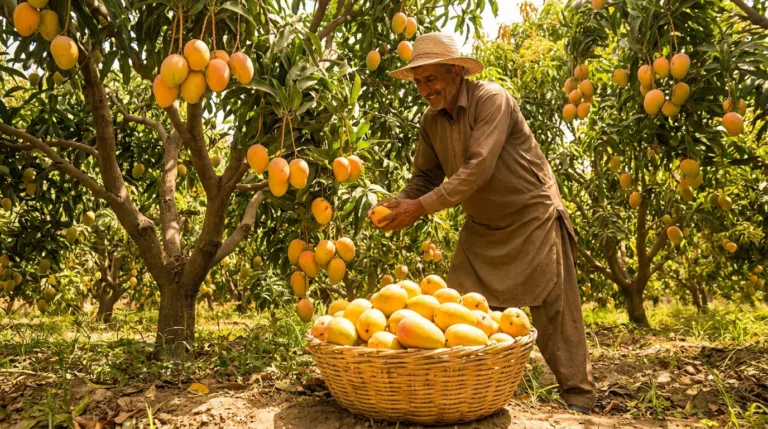
Ever wonder where your mango comes from before it shows up at the market or on your plate? The story starts with a mango tree, which can grow to be absolutely massive, sometimes reaching 100 feet tall! That’s taller than a seven-story building. These trees are like the superheroes of the plant world because they can live for hundreds of years and keep producing fruit the entire time.
Mango trees start their magic in late winter or early spring when they produce tiny flowers. We’re talking thousands of flowers on a single tree! But here’s the catch, only about 1-2% of those flowers actually turn into mangoes. It’s like nature’s way of being super picky about quality over quantity. The flowers that do make it start growing into small green fruits that spend the next 3-4 months slowly developing into the delicious mangoes we know and love.
In regions like Multan, Pakistan (which is famous on MultanFarms.com for producing some of the world’s best mangoes), farmers pay close attention to every stage of growth. They watch the weather, make sure the trees get enough water but not too much, and protect the developing fruit from pests. It’s kind of like being a protective parent, except your kids are delicious and people want to eat them!
Why Mangoes Are Basically Nature’s Candy
Let’s be real, mangoes taste amazing because they’re naturally sweet and full of flavor. But what’s actually going on inside that golden flesh? Mangoes are packed with natural sugars, which is why they taste like candy but are actually good for you (unlike actual candy, sorry!). A ripe mango contains about 45 grams of natural sugar, which gives you energy without the artificial stuff found in processed snacks.
The texture of a mango is another big part of its appeal. When perfectly ripe, a mango is smooth, creamy, and almost melts in your mouth. It’s like nature decided to create the perfect dessert. Some varieties are firmer and great for slicing, while others are so soft and juicy that you basically need a bib to eat them! The Chaunsa mango from Pakistan, for example, is known for being super juicy and incredibly sweet, while the Sindhri mango has a firmer texture with a slightly tangy flavor.
But here’s something cool: mangoes don’t actually ripen on the tree the way you might think. Farmers usually pick mangoes when they’re mature but still green, and then they ripen off the tree. This is why you sometimes buy hard mangoes at the store and have to wait a few days before eating them. It’s like the fruit needs a little vacation at your house before it’s ready for its big moment!
The Health Superstar Hiding in That Sweet Package
Okay, so mangoes taste incredible, but are they actually good for you? The answer is a huge yes! Mangoes are loaded with Vitamin C, which helps your immune system fight off colds and keeps your skin healthy. One medium mango gives you almost 100% of the Vitamin C you need for an entire day. That’s like having a tiny doctor’s office in fruit form!
Mangoes also contain Vitamin A, which is super important for your eyesight. You know how your parents might tell you to eat carrots for good vision? Well, mangoes do the same thing, and they taste way better (no offense to carrots). Plus, they have fiber that helps your digestion, which is basically a fancy way of saying they keep your stomach happy and working properly.
Here’s another amazing fact: mangoes contain special compounds called antioxidants that protect your cells from damage. Think of antioxidants like tiny bodyguards that patrol your body and fight off the bad guys trying to make you sick. The more colorful the mango flesh (some are deep orange, others are bright yellow), the more of these protective compounds it has. It’s like nature’s color-coded health system!
The Incredible Variety of Mango Types
Remember when we mentioned there are over 1,000 varieties of mangoes? Let’s talk about some of the rock stars in the mango world. Each type has its own personality, flavor, and fan club!
Chaunsa: This Pakistani variety is like the celebrity of mangoes. It’s incredibly sweet, super aromatic (meaning it smells amazing), and has a smooth, fiberless texture. When Chaunsa season hits in Pakistan around July and August, people get seriously excited. MultanFarms.com farmers consider it one of the most prized varieties because of its perfect balance of sweetness and fragrance.
Sindhri: Another Pakistani champion, Sindhri mangoes are known for their large size and bright yellow color when ripe. They’re a bit more tangy than Chaunsa, which makes them perfect for people who don’t want their mangoes super sweet. Think of it as the mango for people who like a little adventure in their fruit!
Anwar Ratol: This small but mighty mango packs a serious flavor punch. It’s one of the sweetest varieties out there and has a unique taste that people either absolutely love or find too intense. It’s like the extreme sport version of mangoes!
Langra: Don’t let the green color fool you, even when ripe, Langra mangoes stay greenish on the outside. But inside? Pure golden deliciousness with a slightly spicy, tangy flavor that makes it totally unique. It’s proof that you can’t judge a fruit by its color!
How Mangoes Became Pakistan’s Pride
In Pakistan, especially in regions like Multan, Rahim Yar Khan, and Mirpur Khas, mangoes aren’t just crops, they’re part of the culture. Families have mango traditions where they wait all year for the season to start, then they feast on fresh mangoes almost every day. It’s like how some families have holiday traditions, except this one involves a lot more delicious fruit!
Pakistani mango farms, including those featured on MultanFarms.com, produce some of the highest quality mangoes in the world. The combination of perfect soil, ideal weather conditions (hot and dry with irrigation), and generations of farming knowledge creates mangoes that are exported to countries all over the globe. People in the Middle East, Europe, and even North America pay premium prices for Pakistani mangoes because they’re just that good.
The economic impact is huge too. Mango farming provides jobs for thousands of people, from the farmers who tend the trees to the workers who pack and ship the fruit internationally. During peak season, entire communities buzz with mango-related activity. It’s like the Super Bowl of farming, except it lasts for several months and everyone gets to eat the results!
The Best Ways to Enjoy Your Mango
So you’ve got a perfectly ripe mango in front of you. Now what? There are actually tons of ways to enjoy this versatile fruit beyond just peeling and eating it (although that’s definitely a great option!).
Fresh and simple: Slice it up and eat it plain. Sometimes the best things in life don’t need any additions. Just you, a mango, and maybe some napkins because things are going to get juicy!
Mango lassi: This is a popular drink from Pakistan and India where you blend mango with yogurt, milk, and a little sugar. It’s like a smoothie but creamier and more refreshing. Perfect for hot summer days when you need something cool and delicious.
In cooking: Mangoes aren’t just for desserts! In many cultures, people use unripe (green) mangoes in savory dishes. They add a tangy, slightly sour flavor that balances out spicy foods. It’s like having a secret ingredient that makes your meal go from good to amazing.
Dried mango snacks: When you dry mango slices, they become these chewy, concentrated bites of sweetness that you can take anywhere. It’s like nature’s candy that actually fits in your backpack without making a mess!
Your Mango Adventure Starts Now
Now you know why mangoes have earned their title as the “king of fruits”! From their fascinating growing process on towering trees to the incredible variety of flavors and types available, mangoes are way more interesting than just being a tasty snack. They’re nutritional powerhouses packed with vitamins, they’re economic drivers for farming communities, and they’ve been bringing joy to people for thousands of years.
The next time you bite into a mango, take a moment to appreciate everything that went into bringing that fruit to you. Think about the farmer who cared for the tree, the perfect weather conditions that helped it grow, and the rich history behind this incredible fruit. Whether you’re enjoying a Pakistani Chaunsa from MultanFarms.com growers or trying a different variety from another part of the world, you’re participating in a tradition that connects people across cultures and continents.
So here’s my challenge for you: this mango season, try a variety you’ve never had before. Maybe ask your parents to help you find different types at the market, or do some research about mangoes grown in your region or country. Who knows? You might discover a new favorite variety, or even become inspired to learn more about where your food comes from. After all, every expert mango lover started with their very first juicy bite. What will your mango story be?