Have you ever taken a big bite of warm, fluffy roti fresh from the tawa? Or maybe you love munching on crispy paratha with your breakfast? If you’re in Pakistan, chances are you’re eating something made from wheat almost every day! Wheat is like the superhero of food in Pakistan, showing up in everything from bread to snacks. It’s not just tasty, it’s a huge part of life for millions of people. In this article, we’re diving into the world of wheat in Pakistan, exploring why it’s so important, how it’s grown, and what makes it special. Ready to learn about the grain that powers your favorite foods?
Pakistan is one of the top wheat-producing countries in the world, and places like Multan, known as the “City of Saints,” are at the heart of this farming magic. From the golden fields to your plate, wheat has a story to tell. You’ll discover how farmers grow it, why it matters to Pakistan’s people, and even some cool facts that might surprise you. Let’s get started!
What Makes Wheat the King of Crops in Pakistan?
Wheat is like the backbone of Pakistan’s food scene. Imagine your kitchen without roti, naan, or chapati—it’s hard, right? That’s because wheat is the main ingredient in these foods, which are called staple foods because they’re eaten by almost everyone, every day. In Pakistan, wheat provides energy and nutrients to keep people strong, especially in rural areas where it’s a big part of every meal.
Farmers in Pakistan grow about 25 million tons of wheat every year, making it one of the top 10 wheat producers globally. That’s enough wheat to fill thousands of school buses! Most of this wheat is used to make flour, which turns into all kinds of breads and snacks. Without wheat, meals in Pakistan just wouldn’t feel complete.
How Do Farmers in Multan Grow Wheat?
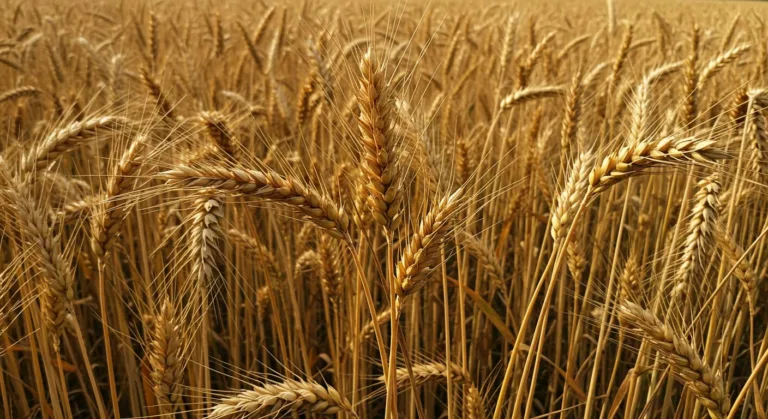
Picture a huge, golden field under the bright sun, stretching as far as your eyes can see. That’s what wheat fields look like in Multan, a city famous for its fertile land and farming. Growing wheat is like solving a puzzle—it takes the right timing, weather, and care. Farmers start by planting wheat seeds in the cool months of October or November, when the soil is just right.
The seeds need water, sunlight, and good soil to grow into strong plants. In Multan, farmers often use water from canals or tube wells to irrigate their fields, kind of like giving the plants a big drink to help them grow tall. After about four to five months, the wheat is ready to harvest, usually in April or May. Farmers cut the golden stalks and send them off to be turned into flour. It’s hard work, but it’s worth it to feed so many people!
Why Does Pakistan Depend on Wheat?
Wheat isn’t just food—it’s a way of life in Pakistan. More than half of Pakistan’s people live in rural areas, and many of them grow wheat or depend on it for their meals. It’s like the fuel that keeps the country running. Wheat is affordable, easy to store, and can be turned into so many delicious dishes, from roti to sweets like halwa.
Here’s why wheat is such a big deal in Pakistan:
- It’s nutritious: Wheat is packed with energy, fiber, and vitamins, kind of like a natural energy bar for your body.
- It’s versatile: You can make flatbreads, noodles, or even cakes with wheat flour.
- It feeds millions: Almost every family in Pakistan eats wheat-based foods daily.
- It supports farmers: Growing wheat provides jobs for millions of people, especially in places like Multan.
Did you know that Pakistan’s wheat is so important that the government makes sure there’s enough of it to keep everyone fed? They even store extra wheat in case of emergencies, like a superhero saving the day!
What Challenges Do Wheat Farmers Face?
Growing wheat sounds simple, but it’s not always easy. Imagine trying to grow a garden, but the weather keeps changing, or you don’t have enough water. That’s what farmers in Pakistan sometimes deal with. Here are some challenges they face:
- Unpredictable weather: Too much rain or not enough can hurt wheat crops.
- Pests and diseases: Tiny bugs or plant illnesses can damage the wheat before it’s ready.
- Water shortages: Some areas don’t get enough water for irrigation, making it hard to grow healthy plants.
- Rising costs: Fertilizers and tools can be expensive, so farmers have to work hard to make a living.
In Multan, farmers are finding smart ways to tackle these problems. For example, some use special seeds that need less water, kind of like choosing a plant that’s happy with just a sip instead of a gulp. Others work together to share resources and learn new farming tricks.
Fun Facts About Wheat in Pakistan
Want to impress your friends with some cool wheat facts? Here are a few that might surprise you:
- Ancient roots: People in Pakistan have been growing wheat for thousands of years, since the time of ancient civilizations!
- Wheat festivals: In some parts of Pakistan, farmers celebrate the wheat harvest with festivals, music, and food.
- Multan’s magic soil: The land around Multan is super fertile, thanks to the Chenab River, making it a perfect spot for wheat.
- Wheat in space?: Scientists are studying wheat to see if it could grow on other planets, like Mars!
Next time you eat a piece of roti, think about the long journey it took from a tiny seed in a Multan field to your plate. Pretty amazing, right?
How Does Wheat Connect to Your Life?
Think about the last time you ate a sandwich, a pizza, or a bowl of noodles. Wheat was probably a big part of that meal! In Pakistan, wheat is more than just food—it’s part of celebrations, family dinners, and even traditions. For example, during Eid, families make special breads and sweets using wheat flour to share with loved ones.
Wheat also helps keep Pakistan strong. By growing so much wheat, the country can feed its people and even share some with other nations. Plus, it gives jobs to farmers, truck drivers, and bakers, all working together like a big team to bring food to your table. Next time you’re at the store, check out a bag of flour and think about the fields in Multan that helped make it!
Why Should You Care About Wheat?
So, why does wheat matter to you? It’s not just about eating roti or paratha—it’s about understanding where your food comes from and how it keeps a whole country going. Wheat is like the glue that holds meals, families, and even Pakistan’s economy together. Places like Multan are working hard to grow enough wheat to feed everyone, and that’s something worth celebrating.
Next time you see a golden wheat field or bite into a warm piece of naan, think about the farmers who made it possible. Maybe you’ll even try growing a small plant at home to see what it’s like to care for something that feeds the world. So, what’s your favorite wheat-based food, and how do you think we can help farmers grow even more of it?