Have you ever stopped to think about where your food actually comes from? Most of us grab milk from the grocery store without considering the journey it took to get there. But here’s something cool: there might be a goat farm right in your neighborhood where you can see exactly how goats are raised and learn about farming firsthand! Visiting a local goat farm isn’t just educational, it’s actually a fun adventure that can teach you about animals, agriculture, and even help you appreciate your food more.
Goat farms are popping up all over the place these days, and they’re not just for people who live in the countryside anymore. Even in areas close to cities, farmers are raising goats for milk, cheese, meat, and sometimes just because goats make great pets! These farms often welcome visitors who want to learn, buy fresh products, or simply spend time with these playful, curious animals.
In this article, we’ll explore what makes goat farms so special, what you can expect when you visit one, and why connecting with local farms like those in your area (maybe even Multanfarms.com) can be an awesome experience. Whether you’re thinking about a field trip, a family outing, or you’re just curious about farming, you’re about to discover why goat farms are way more interesting than you might think!
What Exactly Happens on a Goat Farm?
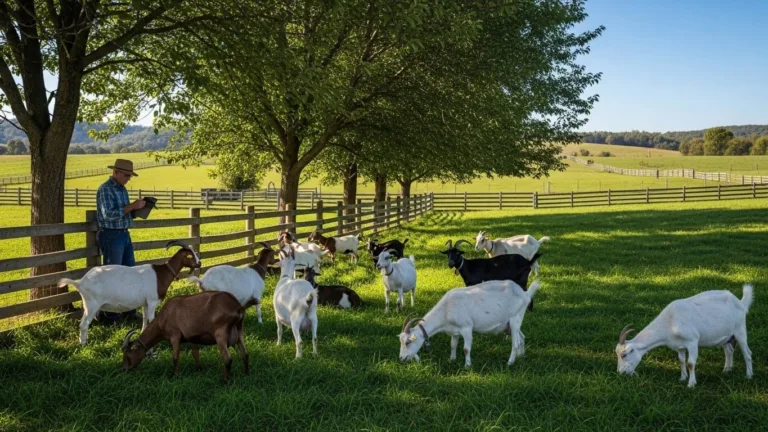
When you think of a farm, you might picture cows or chickens, but goat farms have their own unique vibe. Goats are actually one of the oldest domesticated animals, humans have been raising them for over 10,000 years! On a typical goat farm, you’ll find anywhere from a dozen to several hundred goats, depending on the size of the operation. These farms can focus on different things, some raise goats mainly for their milk, others for meat, and some produce luxury items like cashmere or mohair from special goat breeds.
The daily routine on a goat farm starts early, just like most farms. Farmers wake up at dawn to feed the goats, check on their health, and milk the dairy goats. Goats need to be milked twice a day, usually around 12 hours apart, so it’s a commitment! Think of it like having a pet that needs to be walked at specific times, except you can’t skip a day. The goats eat a diet of hay, grass, grains, and special supplements to keep them healthy and productive.
What makes goat farms really interesting is how interactive goats are. Unlike cows, which tend to be calm and quiet, goats are curious, playful, and sometimes a bit mischievous! They love to climb on things (you might see them standing on top of structures or even other goats), and they’re known for their funny personalities. Baby goats, called kids, are especially entertaining, they jump, bounce, and play in ways that’ll definitely make you smile. Many farms use this natural playfulness to create visitor experiences where you can actually interact with the goats.
Why Are People Searching for Goat Farms Nearby?
You might be wondering why someone would search for “goat farm near me” in the first place. Well, there are actually tons of great reasons! First off, more and more people are interested in knowing where their food comes from. When you buy goat cheese or goat milk from a local farm, you can actually meet the animals and see how they’re treated. It’s way different from buying something at a supermarket where you have no idea about its origin. It’s like the difference between buying a mass-produced toy and getting something handmade from a local artist, there’s a story and connection behind it.
Another big reason is that goat products are becoming super popular for health reasons. Goat milk is easier to digest than cow milk for many people, and it’s naturally lower in lactose. Some folks who can’t handle regular dairy products can enjoy goat milk just fine! Goat cheese (also called chèvre) has a unique tangy flavor that chefs love to use in fancy dishes, but you can enjoy it on crackers or in salads too. By finding a farm nearby, you can get these products super fresh, sometimes just hours after milking!
Educational visits are another huge draw. Schools often organize field trips to goat farms because they’re perfect for teaching kids about agriculture, animal care, and where food comes from. Even if you’re not going with school, many families visit goat farms on weekends just for fun. Some farms offer programs where you can learn to milk goats, make cheese, or help feed the animals. It’s hands-on learning that you just can’t get from a textbook or video!
What Can You Actually Do at a Local Goat Farm?
The experience at each goat farm is a bit different, but most offer some really cool activities. Many farms have visiting hours where you can tour the facilities, meet the goats, and learn about the farming process. Some places, like well-run operations in agricultural areas, might even let you help with feeding time. There’s something special about having a bunch of goats gather around you, looking up with their funny rectangular pupils, waiting for their snacks!
If you’re lucky, you might visit during kidding season (usually spring), when baby goats are being born. Watching kids take their first wobbly steps is absolutely adorable, and farms sometimes let visitors hold or bottle-feed the babies. It’s an experience you won’t forget! Think of it like visiting a nursery, but instead of human babies, you’re surrounded by tiny, fuzzy goats learning how to jump and play.
Many goat farms also have farm stores where you can buy fresh products. You might find goat milk, various types of cheese, goat milk soap (which is super gentle on skin), lotions, and sometimes even meat if the farm raises goats for that purpose. Shopping at a farm store is totally different from a regular grocery store, you can ask the farmers questions directly, learn how products are made, and know exactly what you’re getting. Plus, you’re supporting local agriculture, which helps your community thrive!
The Cool Science Behind Goat Farming
Here’s something you might not know: goat farming involves a lot of science! Farmers need to understand animal nutrition, which means knowing exactly what vitamins, minerals, and nutrients goats need at different ages and life stages. A pregnant goat needs different food than a young kid or an older goat. It’s kind of like how athletes need specific diets to perform their best, goats need the right fuel to stay healthy and produce quality milk or meat.
Disease prevention is another scientific aspect of goat farming. Farmers work with veterinarians to keep their herds healthy through vaccinations, parasite control, and regular health checks. Goats can get sick from various things, including worms, foot problems, and respiratory infections. A good farmer watches their goats closely every day, looking for any signs that something might be wrong. It’s detective work, really! You’re looking for clues like changes in appetite, behavior, or appearance that might indicate a health issue.
Breeding is yet another area where science meets farming. Farmers carefully choose which goats to breed together to get desirable traits, like better milk production, disease resistance, or good temperament. This is similar to how dog breeders select certain dogs to produce puppies with specific characteristics. Over generations, these careful choices can improve the whole herd. Some farms even keep detailed records going back years to track which goats are related and what traits they pass on to their offspring.
How Goat Farms Help Your Community
Local goat farms do more than just produce food, they actually benefit the whole community in several ways. First, they provide fresh, locally-produced food, which means fewer resources are used for transportation and storage. When you buy goat cheese from a farm five miles away instead of cheese shipped from across the country, you’re reducing the carbon footprint of your food. It’s a small way to help the environment while getting a fresher product!
Goat farms also create jobs and support the local economy. Even a small farm needs help with daily chores, milking, processing products, and running the farm store. Some larger operations employ dozens of people! When you buy from a local farm, your money stays in your community instead of going to a huge corporation somewhere far away. It’s like choosing to support a friend’s lemonade stand instead of buying from a giant beverage company.
Educational opportunities are another big community benefit. Farms that welcome visitors help people, especially young people, understand where food comes from and what farming really involves. In our modern world, many folks have never seen a farm animal up close or understood the work behind producing food. Visiting a goat farm can change your perspective and help you appreciate agriculture more. Some farms even partner with schools to provide ongoing educational programs, host summer camps, or offer internships for teenagers interested in farming careers.
Finding the Perfect Goat Farm to Visit
So how do you actually find a good goat farm near you? The internet is your best friend here! A quick search for “goat farm near me” or checking out local farming websites like Multanfarms.com can point you in the right direction. Many farms have websites or social media pages where they post visiting hours, upcoming events, and what products they currently have available. Some farms require appointments, while others have regular open hours, so it’s always smart to check ahead.
When you’re choosing a farm to visit, look for places that seem welcoming to visitors and prioritize animal welfare. Good signs include clean facilities, healthy-looking goats, and farmers who are happy to answer questions. You want to support farms where the animals are well-cared-for and treated humanely. Reading reviews from other visitors can give you a good idea of what to expect and whether it’s a place you’d enjoy.
Don’t be shy about asking questions when you visit! Farmers love talking about their work and their animals (most of the time, anyway). You can ask about what the goats eat, how much milk each goat produces, what breeds they have, or anything else you’re curious about. Most farmers are passionate about what they do and enjoy sharing their knowledge. It’s like having a personal tour guide who really knows their stuff!
Bringing It All Together
Visiting a goat farm near you is more than just a fun outing, it’s a chance to connect with where your food comes from, learn about agriculture, and support your local community. Whether you’re interested in trying fresh goat cheese, meeting friendly animals, understanding the science of farming, or just having a unique experience, goat farms offer something special that you can’t get anywhere else.
These farms remind us that food doesn’t just magically appear in stores, it comes from real places where real people work hard every day to care for animals and produce quality products. The next time you’re looking for something different to do, consider searching for a goat farm in your area. You might discover a new favorite spot, learn something amazing, or simply have a great time meeting some of the most entertaining animals around. Who knows, you might even find yourself thinking about a future in farming! Have you ever visited a farm before, and if not, what’s stopping you from checking one out this weekend?