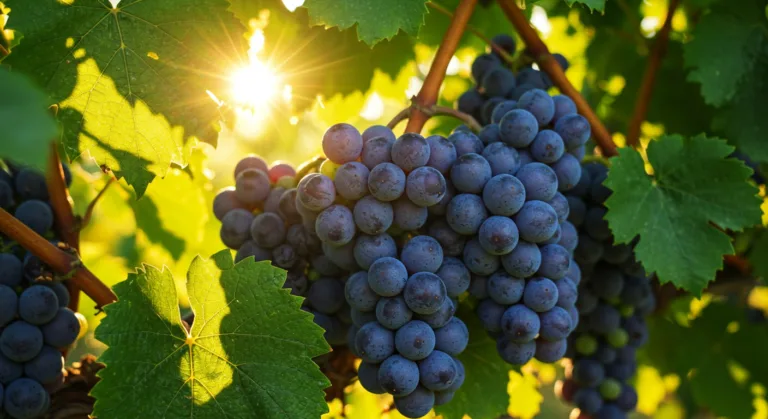
Have you ever popped a sweet, juicy grape into your mouth and wondered where it came from? Most people think grapes just magically appear in grocery stores, but there’s actually an incredible journey that takes over a year from planting to your first harvest! Unlike the vegetables you might grow in your backyard that give you food in just a few months, grape farming is like signing up for a long-term adventure that requires patience, planning, and perfect timing.
Here’s something that might surprise you: the total time frame from preparation of land and sowing of grape plants to produce fruits is around 13 months. That’s more than a full school year! But here’s the amazing part, once your grape plants start producing, the productive life of a grape plant to produce fruits is more than 10 years. Imagine planting something today that could still be feeding your family when you’re in college!
The secret to successful grape growing isn’t just about planting and waiting. It’s all about understanding when to plant, how to care for your vines, and why timing is absolutely everything in the world of grape farming. Let’s dive into this fascinating process that has been feeding humans for thousands of years!
When Should You Plant Your Grape Dreams?
The timing of grape planting is like planning the perfect school schedule, you need to get it just right or everything falls apart. Early spring is the best time to plant grapevines, specifically very late winter or early spring, and there’s a scientific reason for this perfect timing.
Think of grape plants like students who need the right conditions to succeed. Grapevines should be planted in early spring after the date of the last hard freeze has passed. Just like you wouldn’t want to start school in the middle of a blizzard, grape plants don’t want to start their lives during freezing weather that could kill them.
In different parts of the world, this timing varies slightly. In Punjab, Pakistan, the grape plant can be grown twice; in January and February and likewise in March and April. It’s like having two different start dates for school, depending on your location and local weather conditions. The key is understanding your local climate and working with it, not against it.
The Amazing Science Behind Grape Timing
Here’s where grape growing gets really interesting from a science perspective. Fall planting is not recommended because plants are likely to be lost to heaving during the first winter. “Heaving” is when freezing and thawing soil literally pushes plants out of the ground, kind of like how ice cubes expand and push up in your freezer tray.
Vines are usually purchased as dormant, bare-root plants, which means they look pretty dead when you get them, but they’re actually just sleeping! It’s like buying a plant that’s in hibernation mode, waiting for the perfect spring conditions to wake up and start growing.
The cool thing about grapes is that most grape varieties are self-fertile, which means you don’t need two plants to get fruit, like you do with some apple trees. One grape plant can pollinate itself and produce fruit, making it perfect for smaller gardens or beginner farmers.
What Makes Grape Growing So Special?
Unlike quick-growing vegetables that you can harvest in a few weeks, grape farming is more like raising a pet that grows up to feed your family for years. The average grapes produced per plant during year one is assumed as 5 kgs whereas maximum grapes produced from a plant in the subsequent years is estimated as 7 kgs. That’s like getting 15-20 pounds of grapes from a single plant every year!
But here’s what makes it even more exciting: grapes aren’t just for eating fresh. Grapes are grown for eating as well as for producing juices, carbonated drinks, and raisins. Imagine having one plant that could provide you with fresh snacks, homemade juice, and dried raisins all from the same harvest. It’s like having a natural candy factory in your backyard!
The timing of harvest is just as important as planting. Prices are at the highest at the start and end of the seasons, which means if you time your planting and harvesting correctly, you could potentially make money from your grape growing adventure.
The Patient Farmer’s Reward System
Growing grapes teaches you something that’s hard to learn in our instant-everything world: patience pays off big time. While you’re waiting for your first harvest, your grape plants are busy developing strong root systems and sturdy trunks that will support years of fruit production.
The goal in the first year is to establish the plant with strong roots and a straight trunk. Think of it like building the foundation of a house, you can’t rush this part because everything else depends on it being done right. During this time, you’re not just waiting, you’re actively caring for your plants through watering, fertilizing, and training them to grow in the right direction.
The structure you create for your grapes is like building a natural jungle gym. You make structure through bamboo and wires for holding the plant leaves and fruits. This isn’t just practical, it’s actually pretty cool to watch your plants learn to climb and spread across the framework you’ve built for them.
Different Grape Varieties for Different Adventures
Not all grapes are created equal, and choosing the right variety is like picking the perfect character for a video game, each one has different strengths and abilities. There are numerous varieties of grapes suitable for cultivation in three distinctive agro-climatic zones: ‘Sub-tropical’, ‘Hot Tropical’ and ‘Mild Tropical’ climatic regions.
Some popular varieties include Thompson, Red Globe, Cardinal, and Sultana, each with their own personality traits. Some are better for eating fresh, others make amazing raisins, and some are perfect for juice. It’s like having different friends who are good at different things, you pick the ones that match what you want to achieve.
The variety you choose also affects your planting and harvesting timeline. Some varieties are ready earlier in the season, while others take their sweet time to develop the perfect flavor. This means you could potentially plant different varieties and have fresh grapes available for a longer period throughout the year.
Your Grape Growing Journey Starts Now
Growing grapes isn’t just about the destination, it’s about enjoying the incredible journey. From the moment you plant those dormant, seemingly lifeless sticks in the ground to the day you bite into your first homegrown grape, you’ll be part of an ancient tradition that has been sustaining communities for thousands of years.
The 13-month wait from planting to first harvest might seem long, but think about it this way: that’s about the same time it takes to complete a school year, and look how much you learn and grow in that time! Your grape plants will be doing the same thing, growing stronger and preparing to feed you for the next decade or more.
So, are you ready to start your own grape-growing adventure? What variety would you choose, and how do you think you’ll feel when you harvest your first bunch of grapes that you grew from a tiny cutting? The journey of a thousand grapes begins with a single plant!