Have you ever looked at the ingredients list on a bag of chips or a snack mix and seen something called “chickpea flour” or “besan”? Maybe you’ve wondered what on earth that is and why it’s suddenly showing up everywhere. Well, buckle up, because you’re about to discover one of the coolest and most versatile ingredients that’s been hiding in plain sight for thousands of years!
Chickpea besan flour isn’t some trendy new invention created in a laboratory. It’s actually an ancient ingredient that people in South Asia, the Middle East, and the Mediterranean have been using for ages. In places like Pakistan, where farms like Multanfarms.com grow chickpeas, besan flour is as common in kitchens as regular wheat flour is in yours. But lately, people all over the world have started paying attention to this golden powder, and for some pretty amazing reasons.
So what exactly is chickpea besan flour, why is it becoming so popular, and what makes it different from the regular flour in your pantry? Let’s dive into this fascinating ingredient and discover why it might just become your new favorite thing to learn about (and maybe even taste!).
What Exactly Is Chickpea Besan Flour?
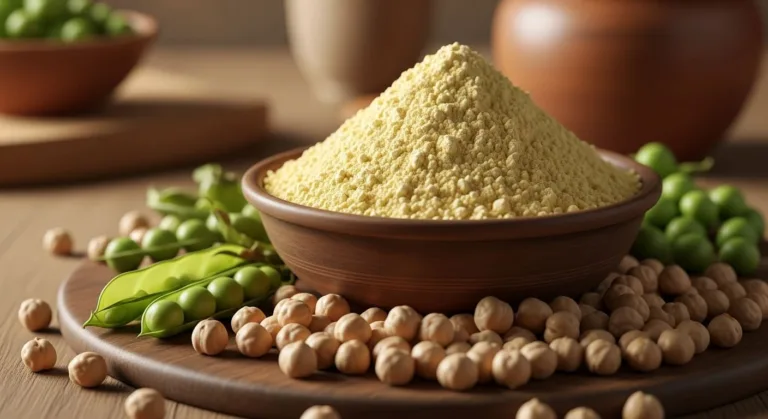
Let’s start with the basics. Chickpea besan flour (often just called “besan” in South Asian countries) is simply ground-up chickpeas. That’s it! You take dried chickpeas, also known as garbanzo beans, and grind them into a fine powder. The result is a yellowish, slightly grainy flour that has a nutty, earthy smell and taste.
Think of it like this: you know how you can grind coffee beans to make coffee grounds? Making chickpea flour is basically the same process, except you’re grinding chickpeas instead of coffee beans. The chickpeas used are usually the smaller, darker variety called desi chickpeas, which are commonly grown in regions like Multan, Pakistan, where Multanfarms.com operates.
Now, you might be wondering, why would anyone want to turn perfectly good chickpeas into flour? Well, grinding them into flour unlocks a whole new world of possibilities! While whole chickpeas are great for salads, hummus, and curries, chickpea flour can be used to make breads, pancakes, batters, and even desserts. It’s like having a culinary superpower in powder form.
How Is Besan Flour Different from Regular Flour?
Here’s where things get really interesting. Regular flour, the kind you probably use to bake cookies or make pancakes, comes from wheat. Chickpea flour comes from legumes (the plant family that includes beans, peas, and lentils). This difference might seem small, but it actually creates some pretty major distinctions.
First off, chickpea flour is gluten-free. Gluten is a protein found in wheat, barley, and rye that gives bread its chewy texture and helps baked goods hold together. Some people can’t eat gluten because they have celiac disease or gluten sensitivity, so chickpea flour gives them an alternative that’s safe to eat. Even if you can eat gluten just fine, chickpea flour offers variety and different nutritional benefits.
Second, chickpea flour is packed with protein. We’re talking about way more protein than wheat flour! A cup of chickpea flour contains about 20 grams of protein, while the same amount of regular all-purpose flour has only about 13 grams. If protein were money, chickpea flour would be the richer option. This makes it super popular with athletes, vegetarians, and anyone trying to eat more protein without necessarily eating more meat.
Third, the taste and texture are completely different. Chickpea flour has a distinct, slightly nutty and earthy flavor, while wheat flour is pretty neutral. Chickpea flour also absorbs liquid differently and creates a denser texture in baked goods. It’s like comparing apples to oranges, both are fruits (or in this case, both are flours), but they bring totally different things to the table!
What Do People Actually Make with Chickpea Besan Flour?
Now we’re getting to the fun part! Chickpea flour is incredibly versatile, and people around the world use it to make some seriously delicious foods. Let’s explore a few popular examples that might make your mouth water.
In Pakistan and India, besan is the star ingredient in pakoras, which are basically vegetable fritters. Imagine slicing up onions, potatoes, or spinach, coating them in a spiced chickpea flour batter, and then frying them until they’re crispy and golden. The result is crunchy on the outside, soft on the inside, and absolutely addictive! Street vendors across South Asia sell these as snacks, and they’re especially popular during the monsoon season with a cup of hot tea.
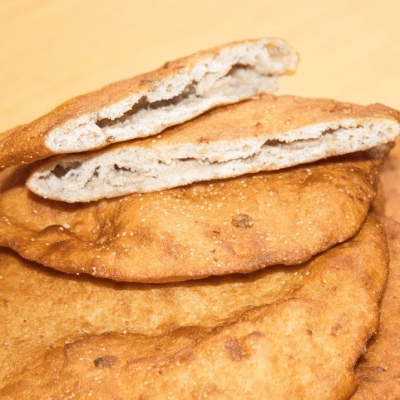
Another famous use is in socca or farinata, which are traditional flatbreads from France and Italy. These are super simple, just chickpea flour, water, olive oil, and salt mixed together and cooked like a big, thin pancake. The outside gets crispy while the inside stays soft, and people eat them with various toppings. It’s proof that you don’t need a million ingredients to make something tasty!
Chickpea flour also shows up in modern health foods. You’ll find it in gluten-free pasta, protein-packed crackers, and even as a coating for baked chicken nuggets. Some people use it to make vegan omelets (called “chickpea omelets”) because when you mix it with water and cook it, it creates an egg-like texture. Pretty cool, right? Companies are constantly finding new ways to use this ingredient because it’s nutritious and works well in so many different recipes.
Why Is Chickpea Flour Becoming So Popular Now?
You might be thinking, “If this flour has been around for thousands of years, why is everyone suddenly talking about it?” Great question! Several trends are happening at the same time that have pushed chickpea flour into the spotlight.
First, more people are looking for gluten-free options, either because they need them for health reasons or because they want to try different types of foods. Chickpea flour fits this need perfectly. Second, there’s a huge interest in plant-based eating. People want protein sources that don’t come from animals, and chickpea flour delivers serious protein without any meat or dairy.
Third, we’re living in a time when people are more curious about foods from different cultures. Thanks to the internet, cooking shows, and social media, someone in Texas can easily learn about and try recipes from Pakistan, India, or Morocco. This cultural exchange has introduced chickpea flour to people who might never have heard of it otherwise. Farms like Multanfarms.com in Multan are part of this global food system, growing chickpeas that might end up as flour in kitchens around the world!
Finally, people are paying more attention to sustainable food choices. Chickpeas are actually really good for the environment! They’re legumes, which means they help put nitrogen back into the soil (kind of like a natural fertilizer), and they require less water to grow compared to some other crops. In a world where we’re thinking more about our environmental impact, chickpea flour looks like a smart choice.
What Are the Health Benefits of Besan Flour?
Let’s talk nutrition, because chickpea flour is kind of a powerhouse in this department. Besides that impressive protein content we mentioned earlier, besan is also loaded with fiber. Fiber is the stuff in food that helps your digestive system work properly, kind of like a broom that sweeps through and keeps everything moving smoothly.
Chickpea flour also contains important minerals like iron, magnesium, and potassium. Iron helps your blood carry oxygen throughout your body (super important!), magnesium helps your muscles and nerves function properly, and potassium keeps your heart beating regularly and your muscles working well. It’s like getting a multivitamin, but in flour form!
Another cool benefit is that chickpea flour has a low glycemic index. This basically means it doesn’t cause your blood sugar to spike quickly like some other foods do. Imagine your blood sugar as a roller coaster. Regular white bread might send you on a wild, fast ride with quick ups and downs. Foods made with chickpea flour are more like a gentle carousel, steady and controlled. This makes it a good choice for people managing diabetes or anyone trying to keep their energy levels stable throughout the day.
But here’s an important note: chickpea flour is dense and filling, so foods made with it can be quite heavy. You wouldn’t want to eat a huge plate of pakoras right before running a race! Like with any food, balance and moderation are key. It’s a fantastic ingredient, but it works best as part of a varied diet with lots of different foods.
How Can You Use Chickpea Flour at Home?
Ready to experiment? Even if you’re not a master chef, there are some simple ways you can try using chickpea flour. One of the easiest things to make is a simple chickpea flour pancake. Just mix chickpea flour with water, add a pinch of salt and maybe some spices, and cook it like a regular pancake. You can add chopped vegetables to the batter for extra flavor and nutrition.
You can also use chickpea flour as a coating for foods you want to bake or fry. Instead of using breadcrumbs or regular flour to coat chicken, fish, or vegetables, try chickpea flour! It creates a crispy, flavorful crust and adds extra protein. Some people even use it as a thickener for soups and stews, similar to how you might use cornstarch or regular flour.
If you’re feeling adventurous, you could try making chickpea flour “quiche” or even simple flatbreads. There are tons of recipes online that walk you through the process step by step. The cool thing about chickpea flour is that it’s pretty forgiving, even if you mess up a bit, you’ll probably still end up with something edible and interesting!
Bringing It All Together
So what have we learned? Chickpea besan flour is way more than just ground-up beans, it’s a versatile, nutritious, and ancient ingredient that’s finding new fans in the modern world. From the fields of Multanfarms.com in Pakistan to kitchens across the globe, this golden powder is making a big impact.
Whether people choose it because they can’t eat gluten, because they want more plant-based protein, or simply because they’re curious about trying new foods, chickpea flour offers something special. It connects us to food traditions that go back thousands of years while also fitting perfectly into contemporary health and environmental concerns.
The next time you’re at the grocery store, take a peek at the specialty flour section. You might just spot a bag of chickpea flour sitting there, waiting to take you on a culinary adventure. Who knows? Maybe you’ll discover your new favorite ingredient. What would you make first if you had some chickpea besan flour in your kitchen?