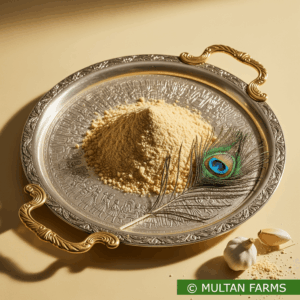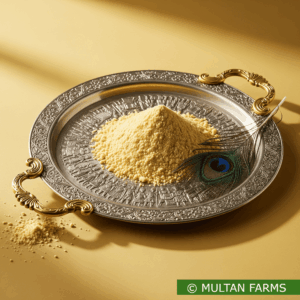
Have you ever walked into a beauty store or scrolled through an online shop and spotted a small packet of brownish clay powder labeled “Multani Mitti”? Maybe you’ve wondered why something that looks like regular dirt from your backyard costs actual money. Well, here’s a fun fact: this special clay has been used for thousands of years for skincare, and it comes from the historic city of Multan in Pakistan. That’s right, the same Multan that Multanfarms.com proudly represents!
Multani mitti, which literally means “mud from Multan,” isn’t just any ordinary clay. It’s a natural mineral-rich substance that people have trusted for centuries to clean their skin, treat acne, and even cool down their bodies during hot summers. But like anything you buy, whether it’s a video game or a new pair of sneakers, the price of multani mitti changes based on several factors. Understanding these factors can help you make smart choices and know whether you’re getting a good deal or not.
In this article, you’ll discover what affects multani mitti prices in the market, how much you should expect to pay, where the best deals can be found, and why quality matters more than you might think. By the end, you’ll be a multani mitti pricing expert, and you might even impress your family with your newfound knowledge!
What Exactly Is Multani Mitti and Why Does It Cost Money?
Before we talk about prices, let’s make sure we’re on the same page about what multani mitti actually is. This special clay is technically called Fuller’s Earth by scientists, but that sounds way less cool than its traditional name! It’s formed over millions of years from volcanic ash and decomposed plant material. Think of it like nature’s super slow cooking recipe, except instead of making cookies, the Earth makes this amazing clay.
The clay is packed with minerals like magnesium, silica, iron, and calcium. These minerals give multani mitti its special powers to absorb excess oil from skin, draw out dirt from pores, and leave your face feeling fresh and clean. It’s basically like a magnet for all the gunk that clogs your skin!
So why does it cost money? Well, even though it comes from the ground, getting multani mitti to your local store involves several steps. Workers have to dig it up, clean it, dry it properly, grind it into fine powder, test it for quality, package it attractively, and then transport it to shops or warehouses. All these steps add to the final price, just like how a plain potato becomes more expensive when it’s turned into french fries at a restaurant.
Breaking Down the Price Range: What Should You Expect to Pay?
Now let’s get to the question everyone wants answered: how much does multani mitti actually cost? The answer isn’t as simple as stating one number because prices vary based on several factors, but we can definitely give you a good idea!
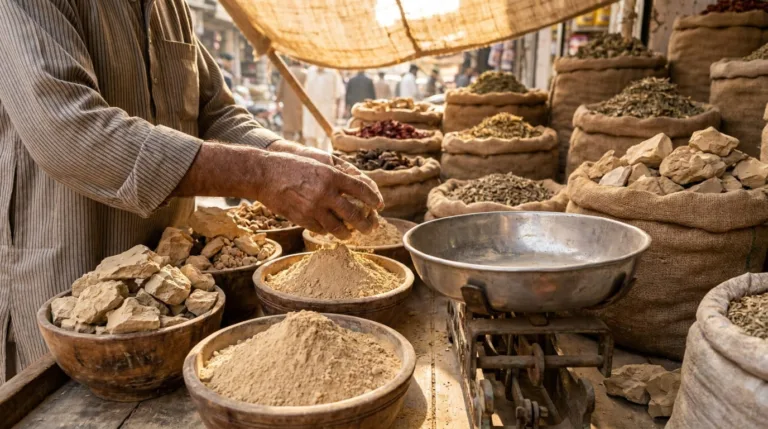
In Pakistan, especially in cities like Multan, Lahore, and Karachi, loose multani mitti (the kind sold by weight without fancy packaging) typically costs between 50 to 150 rupees per kilogram. That’s pretty affordable, right? For comparison, that’s less than what you’d pay for a fancy coffee drink! This loose variety is usually found at local grocery stores, herbal shops, or traditional markets where vendors scoop it out of large containers.
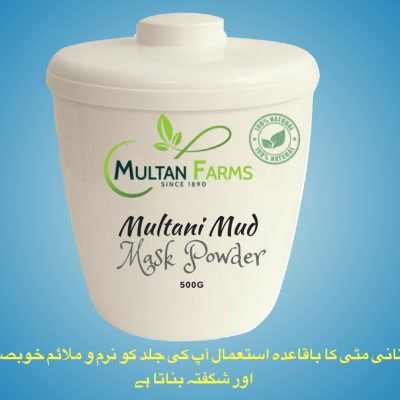
Packaged multani mitti from branded companies costs more, usually ranging from 100 to 400 rupees for a 100-200 gram packet. Why the higher price? You’re paying for quality control, attractive packaging, marketing, and the convenience of knowing exactly what you’re getting. It’s like the difference between buying candy from a bulk bin versus buying a name-brand chocolate bar in wrapper.
Premium or organic multani mitti can cost even more, sometimes reaching 500 to 1,000 rupees for specialty products that claim to be extra pure or mixed with other beneficial ingredients like rose water or sandalwood. These are the “fancy” versions, kind of like how regular sneakers cost less than limited edition ones.
If you’re shopping online through platforms or directly from suppliers like Multanfarms.com, prices might include shipping costs, which can add another 100-200 rupees depending on your location. Always check whether the listed price includes delivery or not!
What Makes Some Multani Mitti More Expensive Than Others?
You might be scratching your head wondering, “Why would one multani mitti cost three times more than another if they’re both the same clay?” Great question! Several factors influence the price, and understanding them helps you figure out whether a higher price actually means better quality.
Purity level is the biggest factor. Pure multani mitti with no additives or contaminants costs more than clay that’s been mixed with other cheaper materials. Some sellers might blend regular clay or sand into their product to increase their profits. It’s like buying orange juice that’s 100% juice versus “orange drink” that’s mostly water and sugar, the pure stuff costs more but gives you the real benefits.
Source and harvesting location matter too. Multani mitti from traditional mining areas around Multan, where the clay has been harvested for generations, is often considered superior quality. Clay from these regions typically costs more because of its reputation and proven effectiveness. Think of it like how certain regions are famous for specific products, like Swiss chocolate or Italian pasta.
Processing and refinement add to the cost. Multani mitti that’s been carefully cleaned, finely ground, and sterilized to remove any bacteria or impurities will cost more than rough, unprocessed clay. This extra processing ensures safety and better results, especially when you’re putting it on your face!
Brand reputation and certification also play roles. Established brands that test their products, provide quality guarantees, and have good customer reviews can charge premium prices. You’re not just buying clay, you’re buying trust and reliability. It’s similar to why people might pay more for a laptop from a well-known company rather than an unknown brand, even if the specs look similar.
Where Can You Find the Best Deals on Multani Mitti?
Knowing the average prices is helpful, but finding the best deals? That’s next-level smart shopping! Let’s explore different places where you can buy multani mitti and what kind of pricing you can expect at each.
Local markets and bazaars in Pakistani cities often offer the most affordable prices, especially for loose multani mitti. Vendors at these markets buy in bulk and have low overhead costs (that means they don’t spend much on fancy stores or advertising), so they can pass those savings to customers. However, you need to be a smart shopper here. Ask questions, check the clay’s color and texture, and don’t be shy about bargaining, it’s expected!
Pharmacies and beauty stores stock packaged multani mitti at moderate to high prices. The advantage here is convenience and quality assurance. You know exactly what you’re getting, and there’s usually someone you can ask if you have questions. Plus, these stores often run sales or bundle deals where you can save money by buying multiple items together.
Online shopping platforms like Daraz, Amazon, or direct seller websites (such as Multanfarms.com) offer the widest variety and price range. Online shopping lets you compare prices instantly without walking from store to store. Many online sellers offer discounts, especially during holiday sales or if you buy in larger quantities. Just remember to factor in shipping costs and check seller reviews before buying!
Wholesale suppliers give you the absolute best per-unit price if you’re buying in bulk. If your family uses multani mitti regularly, or if you want to split a large order with friends, buying 5-10 kilograms at once could save you serious money. It’s like buying the family-size pack of chips instead of individual bags, much cheaper in the long run!
How to Make Sure You’re Getting Good Value for Your Money
Price matters, but value matters more. You could find super cheap multani mitti that turns out to be mostly sand, and that’s not a good deal at all! Here are some practical tips to ensure you’re getting quality clay at a fair price.
Check the color and texture. Real, good-quality multani mitti should be tan, beige, or light brown in color. It should feel smooth and fine when you rub it between your fingers, not gritty or full of hard chunks. If it’s available as a sample, mix a little with water, it should form a smooth paste, not a lumpy mess.
Read the ingredients list. If you’re buying packaged multani mitti, look at what’s actually in it. The ingredient list should be super short, ideally just “Fuller’s Earth” or “Multani Mitti” and nothing else. Long ingredient lists with chemical names you can’t pronounce might mean the product has lots of additives.
Consider the seller’s reputation. Whether you’re shopping online or at a physical store, check reviews and ratings. If dozens of people complain about fake products or poor quality, that’s a huge red flag! Trustworthy sellers like Multanfarms.com usually have transparent information about where their products come from and how they’re processed.
Do a simple home test. Here’s a cool experiment: mix your multani mitti with water and apply it to a small area of skin on your arm. Quality multani mitti should dry without causing irritation, feel cooling, and wash off easily without leaving residue. If it burns, causes redness, or leaves weird stains, it’s probably not pure.
Calculate the cost per use. Sometimes a more expensive product is actually cheaper in the long run. If a 200-rupee packet lasts you three months while a 100-rupee packet only lasts one month, the more expensive one is actually the better deal! Always think about how long the product will last, not just the upfront cost.
Understanding Seasonal Price Changes and Market Trends
Just like how mangoes are cheaper during mango season and more expensive at other times, multani mitti prices can fluctuate throughout the year. Understanding these patterns can help you time your purchases smartly.
Summer months typically see higher demand for multani mitti because more people use it to cool down their skin and control excess oil production from sweating. This increased demand can push prices up slightly, especially for packaged brands. It’s basic supply and demand, when more people want something, sellers can charge a bit more.
Wedding seasons in Pakistan also create price spikes. Many brides and grooms use multani mitti as part of their pre-wedding beauty treatments, so salons and individual buyers stock up during these times. If you’re planning to use multani mitti for a special occasion, try buying it a month or two earlier to avoid the rush and higher prices.
Harvest and mining cycles affect availability too. Multani mitti needs to be properly dried and processed, which is easier during certain months. During rainy seasons, production might slow down because drying the clay becomes difficult. This reduced supply can lead to slight price increases in some areas.
Smart shoppers can take advantage of these patterns by buying in bulk during off-peak months when prices are typically lower. At Multanfarms.com, staying connected with agricultural cycles helps ensure consistent quality and fair pricing throughout the year.
Your Guide to Making the Best Purchasing Decision
Understanding multani mitti prices isn’t just about knowing numbers, it’s about becoming a smart, informed consumer who gets the best value for your money. Whether you’re buying a small packet to try for the first time or stocking up with a kilogram for regular use, you now have the knowledge to make confident decisions.
Remember, the cheapest option isn’t always the best, and the most expensive isn’t always necessary. The sweet spot is finding pure, quality multani mitti at a fair price from a trustworthy seller. Look for that balance between affordability and quality, and don’t be afraid to ask questions or request samples when possible.
At Multanfarms.com, we believe in transparency and helping consumers understand what they’re buying. Multani mitti is a gift from Multan’s rich earth, a natural product that’s been trusted for generations. When you choose quality multani mitti at a fair price, you’re not just taking care of your skin, you’re participating in a tradition that connects you to thousands of years of natural beauty wisdom. So next time you’re shopping for multani mitti, will you know a good deal when you see one? Absolutely!