Open almost any spice box in a Pakistani kitchen and you will find a small jar of tiny, ridged brown seeds that punch far above their size. This is carom spice, better known across South Asia as ajwain. A pinch of it can turn a plain paratha into something memorable, and its sharp, slightly bitter aroma is unmistakable the moment it hits hot oil.
Despite how common it is, most people use ajwain without really knowing where it comes from or why it works so well in certain dishes. It is technically a seed rather than a true spice in the botanical sense, related more closely to herbs like thyme than to seeds like cumin. Once you understand what makes this little seed special, you will notice it showing up in far more recipes than you realized.
What Exactly Is Carom Spice?
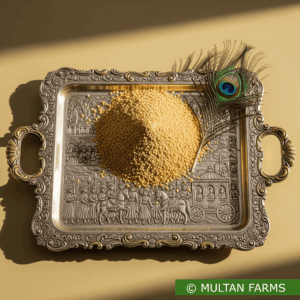
Carom spice comes from a plant called Trachyspermum ammi, and in English it goes by a few names, including ajwain, bishop’s weed, and sometimes carom seeds. The seeds themselves are small, oval, and grayish brown, with a texture similar to fennel or cumin seeds but a flavor that is sharper and more bitter.
The taste is the real giveaway. Ajwain has a strong, thyme-like aroma with a slightly peppery, bitter edge that mellows out once it is cooked in oil or ghee. This happens because of a natural compound called thymol, the same compound found in thyme, which gives ajwain its distinctive smell and taste.
Where Ajwain Comes From and How It Grows
Ajwain grows best in warm, dry climates with well drained soil, which makes regions across Punjab and Sindh well suited to cultivating it. The plant is fairly low maintenance once established, producing small white flower clusters before forming the seed heads that are eventually harvested and dried.
After harvesting, the seeds are dried thoroughly to preserve their oil content, since that oil is where most of the flavor and aroma actually live. Farmers typically time the harvest carefully, because seeds picked too early lose much of their characteristic punch. This is part of why good quality ajwain can vary noticeably depending on where and how it was grown.
Why This Tiny Seed Shows Up in So Many Dishes
Ajwain earns its place in the spice box because of how versatile it is in the kitchen. A few of its most common uses include:
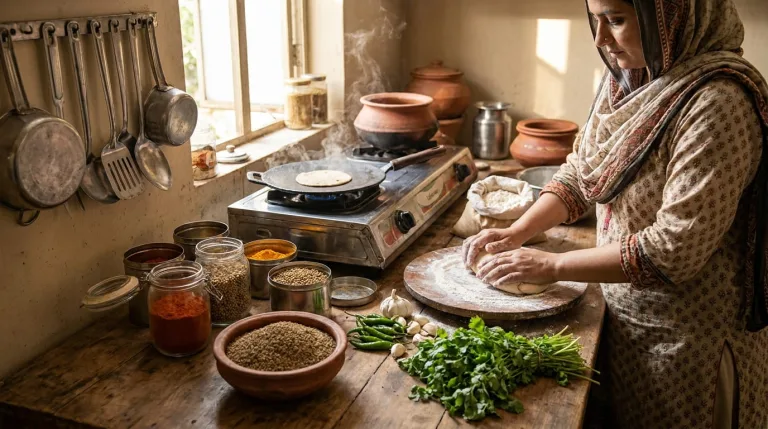
- Mixed directly into paratha dough for ajwain paratha, a popular breakfast flatbread
- Added to hot oil as a tempering spice before cooking lentils or vegetables
- Sprinkled into pickle, or achar, recipes for extra sharpness
- Used in fried snacks like pakora, where it helps cut through the richness of the oil
Cooks often describe ajwain as a spice that needs very little to make a big difference. Even a quarter teaspoon stirred into hot oil can change the entire character of a dish.
The Tradition Behind Its Health Reputation
Long before ajwain became a pantry staple purely for flavor, it carried a reputation as a digestive aid in traditional South Asian households. Many families still keep a small jar specifically for ajwain water, made by boiling the seeds and drinking the strained liquid after a heavy meal.
This tradition is closely tied to thymol, the same compound responsible for ajwain’s aroma, which has long been associated with easing bloating and discomfort after eating. It is worth noting this is rooted in traditional home remedies passed down through generations, rather than a substitute for medical advice. Still, the fact that this practice has survived for so long says something about how deeply ajwain is woven into everyday life.
How to Use and Store Carom Spice at Home
Getting the most out of ajwain comes down to a couple of simple habits. Lightly dry roasting the seeds in a pan for a few seconds before using them helps release their oils and softens the bitterness slightly. Adding them to hot oil at the very start of cooking, rather than at the end, also helps mellow the sharper edges of the flavor.
For storage, ajwain keeps best in an airtight container, away from direct sunlight and moisture, where it can stay fresh for many months. Buying whole seeds rather than pre-ground powder is usually the better choice, since whole seeds hold onto their essential oils far longer.
Bringing It All Together
Carom spice may be tiny, but it carries a surprising amount of history, flavor, and tradition in every seed. From flavoring parathas and pickles to its long standing role in home remedies, ajwain has earned its permanent spot in Pakistani kitchens for good reason.
The next time you smell that sharp, thyme-like aroma rising from a pan, you will know exactly what is behind it. Have you ever noticed ajwain in a dish without realizing what gave it that distinctive kick?
Visit Multanfarms.com for more guides on the spices, ingredients, and farming traditions rooted in Pakistan’s agricultural heritage.