Have you ever opened your fridge, seen a tray of eggs, and wondered where they came from? Most of the eggs people eat every day come from special chickens called layer hens. These birds are raised on farms with one main job, laying fresh eggs for families, restaurants, and shops.
Layer hen farming is one of the most important parts of poultry farming. It helps provide millions of fresh eggs every day, giving people a healthy source of protein. In this article, you’ll discover what layer hen farming is, how it works, why it matters, and what it takes to keep hens healthy and productive.
What Is Layer Hen Farming?
Layer hen farming is the practice of raising female chickens, called layer hens, for egg production. Unlike chickens raised for meat, layer hens are specially bred to lay a large number of eggs over their lifetime.
Think of it like this. Some people train to become teachers, while others become doctors. In the same way, different types of chickens are bred for different purposes. Layer hens are the “egg specialists” of the poultry world.
Most layer hens begin laying eggs when they are around 18 to 20 weeks old. A healthy hen can lay nearly one egg each day when it receives proper food, clean water, and good care.
How Does a Layer Hen Farm Work?
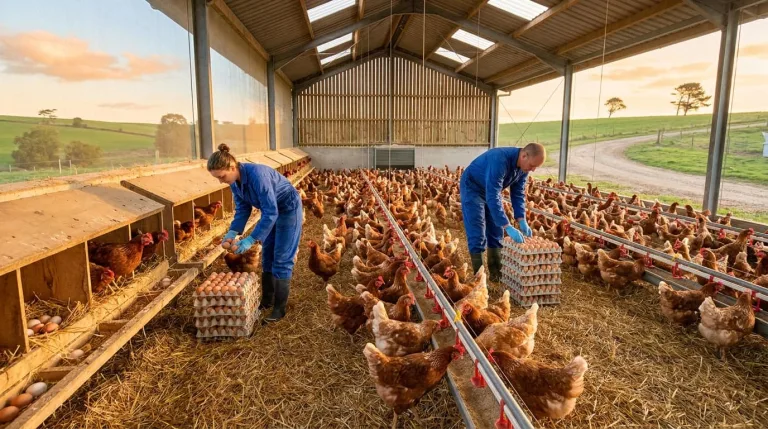
A layer hen farm is carefully managed to keep the birds healthy and comfortable. Every part of the farm plays a role in helping hens produce quality eggs.
A typical layer hen farm includes:
- Clean housing that protects hens from harsh weather and predators.
- Nutritious feed filled with protein, vitamins, and minerals.
- Fresh drinking water available throughout the day.
- Proper lighting, because the amount of light affects egg production.
- Regular health checks to prevent diseases.
Imagine trying to do your homework without enough food, water, or sleep. You probably wouldn’t perform your best. Layer hens are no different. They need the right environment to stay healthy and continue laying eggs.
What Do Layer Hens Eat?
Food is one of the biggest secrets behind healthy egg production. Layer hens need a balanced diet that gives them energy and helps them produce strong eggshells.
Their feed often contains:
- Corn or wheat for energy.
- Soybean meal for protein.
- Calcium to build hard eggshells.
- Vitamins and minerals for overall health.
Did you know? A hen uses a lot of calcium every time it lays an egg. Without enough calcium in its diet, the eggshell can become thin or weak.
It’s a bit like building a brick wall. If you don’t have enough bricks, the wall won’t be strong. Calcium works like those bricks for eggshells.
Why Is Layer Hen Farming Important?
Layer hen farming does much more than supply eggs. It supports families, businesses, and communities in many ways.
Here are some of its biggest benefits:
- It provides fresh, nutritious eggs for people of all ages.
- It creates jobs for farmers, workers, transport companies, and shop owners.
- It supports local food production, reducing dependence on imported eggs.
- It helps many small farmers earn a steady income.
For example, a family farm with a few hundred layer hens can supply eggs to nearby grocery stores every day. Larger farms can provide thousands of eggs daily to supermarkets across the country.
Without layer hen farming, eggs would become much harder to find and much more expensive.
How Are Eggs Collected and Stored?
Once hens lay eggs, workers collect them carefully to prevent cracks or damage. On larger farms, machines may gently move eggs along conveyor belts to a collection area.
After collection, eggs are:
- Cleaned if needed.
- Checked for cracks or defects.
- Sorted by size and quality.
- Packed into cartons.
- Stored in cool conditions before delivery.
Think about a delivery service bringing a package safely to your home. Eggs also go through an organised journey before they reach your kitchen.
Proper handling helps keep eggs fresh and safe to eat.
What Challenges Do Layer Hen Farmers Face?
Like any type of farming, layer hen farming comes with challenges.
Farmers often have to deal with:
- Rising feed costs.
- Poultry diseases.
- Extreme weather conditions.
- Changes in egg prices.
- Keeping hens healthy throughout the year.
For example, during very hot summer days, hens may eat less food and produce fewer eggs. Farmers solve this problem by improving ventilation, providing cool water, and reducing heat inside poultry houses.
This shows that successful farming requires planning, patience, and quick problem-solving.
How Can Farmers Keep Layer Hens Healthy?
Healthy hens produce healthier eggs. That’s why good poultry management is so important.
Farmers can help their hens by:
- Providing clean water every day.
- Feeding a balanced diet.
- Cleaning poultry houses regularly.
- Vaccinating birds against common diseases.
- Giving hens enough space and fresh air.
- Watching for signs of illness.
Did you know? Even something as simple as keeping the water containers clean can reduce the spread of disease among hens.
Taking care of poultry is much like taking care of a pet. Daily attention makes a huge difference.
Interesting Facts About Layer Hens
Here are a few fun facts you might not know:
- A healthy layer hen can lay around 280 to 320 eggs each year.
- Eggshell colour depends on the breed of the hen, not the taste or nutrition of the egg.
- Chickens communicate using many different sounds to warn each other or call their chicks.
- Fresh eggs are packed with high-quality protein, vitamins, and important nutrients.
These amazing birds quietly provide one of the world’s most popular foods every single day.
Conclusion
Layer hen farming is an important part of modern agriculture. It provides fresh eggs, supports local farmers, creates jobs, and helps feed millions of people. Behind every egg is a great deal of care, from providing nutritious feed to keeping hens healthy and comfortable.
The next time you enjoy an omelette, boiled egg, or slice of cake, remember the hardworking layer hens that made it possible. Have you ever thought about visiting a poultry farm to see how fresh eggs are produced from farm to table?