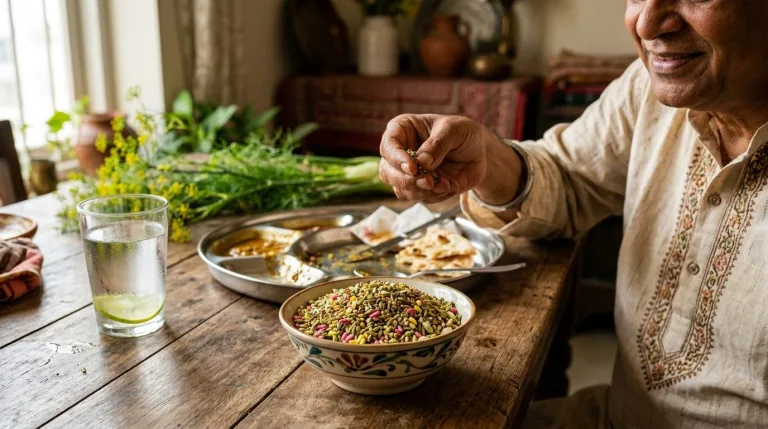
You’ve probably seen it at the checkout counter of every desi restaurant, pan shop, and mithai store in Pakistan. A small bowl of those bright, colorful little seeds that guests reach for automatically after every meal. You pop a handful in, and immediately your mouth lights up with this incredible combination of cool sweetness, sharp spice, and a lingering warmth that just works. That’s hot hot hot sonf, and there’s a lot more going on in those tiny seeds than you might think.
Sonf is the Urdu word for fennel seeds, one of the oldest and most beloved spices in South Asian culture. The “hot hot hot” variety takes plain fennel seeds and transforms them with a bold coating of spices, typically including red chili, black salt, and other masalas, creating that signature fiery kick that makes them completely impossible to stop eating. They’re sold everywhere from roadside stalls in Multan to upscale grocery stores in Karachi, and for very good reason.
What Exactly Is Hot Hot Hot Sonf?
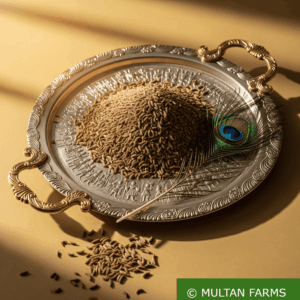
At its core, hot hot hot sonf starts with raw fennel seeds, harvested from the fennel plant (Foeniculum vulgare). Fennel is a flowering herb in the carrot family, and its seeds are naturally sweet, slightly licorice-flavored, and intensely aromatic. They’ve been used in South Asian cooking and traditional medicine for thousands of years.
The “hot” coating changes everything. Masala sonf is made by roasting or coating fennel seeds with a blend of spices that typically includes red chili powder, black salt (kala namak), dried mango powder (amchur), and sometimes a touch of asafoetida. The result is a snack that delivers sweetness, heat, tang, and crunch all at once. Every brand and every home recipe is slightly different, which is why you’ll find hot sonf ranging from mildly spicy to genuinely face-melting.
The Health Benefits Hidden Inside Every Seed
Here’s where things get interesting. Hot hot hot sonf isn’t just delicious, it’s genuinely useful for your body in several important ways.
Fennel seeds have been used as a digestive aid for centuries across Pakistan, India, and the Middle East. They contain compounds called anethole and fenchone, which help relax the muscles of the digestive tract and reduce bloating and gas. This is exactly why restaurants offer sonf after meals, it’s not just tradition, it’s a functional digestive tool that actually works.
Fennel seeds are also a source of fiber, manganese, potassium, and vitamin C. They have mild anti-inflammatory properties and have long been used to freshen breath, making them one of the most practical and portable natural mouth fresheners available anywhere. The spices added to hot sonf, particularly black salt and dried mango powder, bring their own digestive and antioxidant benefits to the mix.
Why Do Pakistanis Eat Sonf After Every Meal?
This tradition goes back centuries and it’s deeply embedded in South Asian food culture. In Mughal-era cuisine, the practice of offering mukhwas (mouth fresheners made from fennel, sesame, coconut, and spices) after a heavy meal was considered a mark of hospitality and good hosting.
In Pakistan, offering sonf after a meal isn’t just polite, it signals that a meal is complete and that the host genuinely cares about their guests’ comfort. You’ll find it in homes, at wedding receptions, at dhabas after a plate of nihari, and at every major restaurant in Punjab and Sindh. The practice has survived centuries of cultural change because it genuinely works: the seeds freshen the breath, settle the stomach, and provide a satisfying finish to rich, spicy food.
Hot Sonf vs. Regular Sonf: What’s the Difference?
Plain sonf is mild, sweet, and subtly aromatic. It’s pleasant enough, but hot hot hot sonf is a completely different experience. The spice coating transforms the seed from a gentle after-dinner treat into something that demands your full attention.
The heat in hot sonf comes primarily from red chili powder, which triggers the same capsaicin receptors on your tongue that make fresh chilies spicy. The black salt adds a distinctive sulfurous, tangy note that no other ingredient can replicate. Dried mango powder brings a sharp sourness to cut through the sweetness of the seed. Together, these layers create the addictive flavor profile that makes hot sonf so hard to stop eating once you’ve started. Some recipes also use glazed or coated fennel seeds, where a thin layer of sugar or oil helps the masala cling evenly to the seed, adding a subtle crunch and sweetness to balance the heat.
How to Make Hot Hot Hot Sonf at Home
Making your own hot sonf is surprisingly simple and lets you control exactly how spicy you want it. Here’s a method that works reliably:
- Start with 1 cup of raw fennel seeds
- Dry roast them in a pan on low heat for 3 to 4 minutes until they turn fragrant
- Remove from heat and let them cool completely before adding anything else
- Mix in half a teaspoon of red chili powder, a quarter teaspoon of black salt, a quarter teaspoon of dried mango powder, and a pinch of regular rock salt
- Toss thoroughly until every seed is evenly coated
- Store in an airtight container for up to two weeks
You can adjust the chili powder up or down based on your heat tolerance. Some people add a few drops of oil before mixing in the spices, which helps everything stick and gives the finished sonf a slight gloss that looks just as good as a store-bought product.
Where Quality Sonf Comes From in Pakistan
Not all fennel seeds are created equal, and the quality of your hot sonf depends heavily on where the seeds come from. Pakistan grows fennel in several regions, with Sindh and Balochistan producing some of the most aromatic varieties in the country. Fresh, high-quality fennel seeds are plump, evenly green or olive-colored, and intensely fragrant when rubbed between your fingers. Old or low-quality seeds are dull, grayish, and barely carry any scent at all.
When buying hot sonf, look for products made from whole seeds rather than broken or processed fragments. The masala coating should be evenly distributed across every seed, not clumped in the corners of the bag. Always check the source: sonf from a quality-focused brand will taste noticeably superior to a generic version picked up without any thought.
The Bottom Line on Hot Hot Hot Sonf
Hot hot hot sonf is one of those rare foods that manages to be delicious, culturally meaningful, and genuinely good for you all at the same time. Whether you’re reaching for a handful after a heavy dinner, carrying a small bag in your pocket for a mid-day refresh, or making your own batch from scratch at home, these tiny seeds deliver more flavor and function than almost any other snack in the Pakistani food tradition.
If you want the real thing made from premium fennel seeds with authentic masala flavor, visit Multanfarms.com for naturally sourced Pakistani ingredients and food products rooted in the farming traditions of Multan.