Have you ever raided your kitchen looking for ingredients to make a face mask? Maybe you’ve seen beauty gurus on social media mixing different things together and wondered if they actually work. Well, today we’re going to talk about a combination that’s been popular for ages, especially in South Asian beauty routines: multani mitti and lemon juice. But here’s the big question everyone wants answered: is it actually safe to use them together on your face?
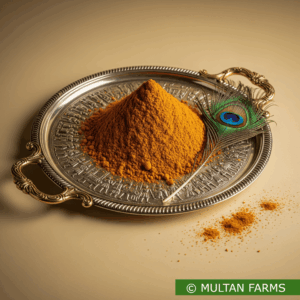
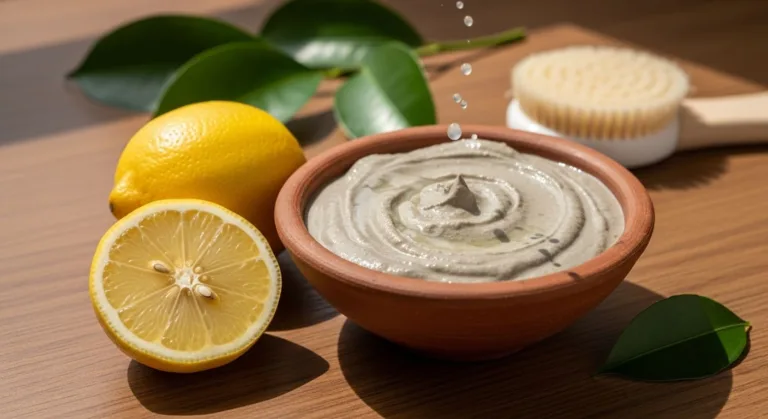
If you’re not familiar with multani mitti (also called Fuller’s Earth), it’s basically a type of clay that’s been used for centuries to clean and care for skin. Think of it as nature’s vacuum cleaner for your pores! When you mix it with liquids, it creates a paste that can help absorb extra oil and dirt from your skin. But when lemon juice enters the picture, things get a bit more complicated. Let’s dive into what happens when these two ingredients meet and whether your skin will thank you or not.
What Makes Multani Mitti Special?
Before we talk about adding lemon to the mix, let’s understand what multani mitti actually does. This clay comes from decomposed volcanic ash that’s been sitting underground for millions of years. It’s loaded with minerals like magnesium, silica, and calcium that can be really good for your skin.
When you apply multani mitti to your face, it works like a super-absorbent sponge. It soaks up excess oil, dirt, and even some bacteria from your skin’s surface. This is why people with oily or acne-prone skin often love using it. The clay also has a cooling effect, which feels amazing on hot days or when your skin feels irritated. Plus, it can help tighten your pores temporarily, making your skin look smoother.
Many people at Multanfarms.com and other natural skincare communities swear by pure multani mitti masks because they’re simple and effective. You just mix the powder with water or rose water, apply it to your face, let it dry for about 15 minutes, and wash it off. Easy, right?
The Lemon Juice Factor: Friend or Foe?
Now let’s talk about lemon juice. You’ve probably heard that lemon is great for your skin because it contains vitamin C and can help brighten dark spots. That’s true to some extent! Lemon juice is acidic and has natural bleaching properties that might help fade pigmentation over time.
But here’s where things get tricky. Lemon juice is really, really acidic. Your skin has a natural pH level of around 4.5 to 5.5, which is slightly acidic. Pure lemon juice has a pH of about 2, which is super acidic, kind of like the acid in your stomach! When you put something that acidic on your skin, it can disrupt your skin’s natural protective barrier.
Think of your skin’s barrier like a brick wall that keeps the good stuff in and the bad stuff out. When you apply lemon juice directly to your face, it’s like taking a sledgehammer to that wall. Your skin might become red, irritated, or even develop burns in some cases. Plus, lemon juice makes your skin way more sensitive to sunlight, which means you could end up with more dark spots instead of fewer!
So Can You Mix Them Together?
Here’s the honest answer: technically yes, you can mix multani mitti with lemon, but it’s definitely not the best idea for everyone. Just because you can do something doesn’t mean you should! Let me explain why.
The multani mitti does help balance out some of the lemon’s harshness because the clay is naturally soothing and anti-inflammatory. It’s like mixing something spicy with something cooling. However, the lemon juice is still there, and it can still irritate your skin, especially if you have sensitive skin, dry skin, or any cuts or pimples on your face.
If you absolutely want to try this combination, here are some important things to remember. First, never use this mask more than once a week. Second, always do a patch test first by applying a tiny bit of the mixture on your inner arm and waiting 24 hours to see if you get any reaction. Third, never leave it on for more than 10 minutes. And fourth, this is super important, always apply sunscreen after using this mask and avoid going out in the sun for at least 24 hours!
Better Alternatives to Lemon Juice
Want to know a secret? There are much gentler and safer ingredients you can mix with multani mitti that will give you amazing results without the risk of irritation. Rose water is probably the most popular choice, and for good reason. It smells lovely, has anti-inflammatory properties, and won’t mess with your skin’s pH balance.
You could also try mixing multani mitti with plain yogurt, which contains lactic acid (a much gentler acid than lemon juice) and probiotics that are good for your skin. Honey is another fantastic option because it’s naturally antibacterial and super moisturizing. Even plain water works great! Remember, skincare doesn’t have to be complicated to be effective.
If you’re dealing with oily skin or acne, you might also try adding a tiny bit of neem powder or turmeric to your multani mitti mask instead of lemon. These ingredients have antibacterial properties without being as harsh on your skin.
What the Experts and Real People Say
Dermatologists and skincare experts generally don’t recommend using lemon juice on your face, whether it’s mixed with multani mitti or not. They’ve seen too many cases of people developing irritation, burns, or increased pigmentation from DIY lemon treatments.
However, many people in traditional beauty communities have used multani mitti and lemon combinations for years. The key difference? They usually use it very sparingly, always mix it with other soothing ingredients, and they know their skin really well. What works for someone with super oily, non-sensitive skin might be a disaster for someone with dry or sensitive skin.
At Multanfarms.com, the focus is often on using high-quality, pure multani mitti with gentle, skin-friendly ingredients. The goal is to get all the benefits of the clay without adding potentially harmful ingredients that could do more harm than good.
Listen to Your Skin
Here’s the most important lesson in all of skincare: your skin is unique! What works amazingly for your best friend might not work for you at all. Skin color, skin type, sensitivity levels, and even where you live (humid vs. dry climates) all affect how your skin reacts to different ingredients.
If you decide to try multani mitti with lemon despite the warnings, pay very close attention to how your skin responds. Does it feel burning or stinging? That’s your skin telling you to wash it off immediately! Is it getting red or developing a rash? Time to stop using it and switch to gentler alternatives. Good skincare should make your skin feel better, not worse.
The Bottom Line
So, can you use multani mitti with lemon on your face? Yes, technically you can. Should you? Probably not, especially if you’re just starting to explore natural skincare or if you have sensitive skin. The risks often outweigh the benefits when there are so many safer alternatives available.
Multani mitti on its own is an amazing natural ingredient that’s been trusted for centuries. You don’t need to add potentially irritating ingredients like lemon juice to make it work better. Sometimes the simplest solutions are the best ones! Stick with gentle mixers like rose water, plain water, or yogurt, and your skin will probably thank you.
Remember, taking care of your skin is a marathon, not a sprint. It’s better to use gentle, safe ingredients consistently than to use harsh treatments that might give quick results but damage your skin in the long run. What’s your go-to multani mitti mixture, and how does your skin like it?