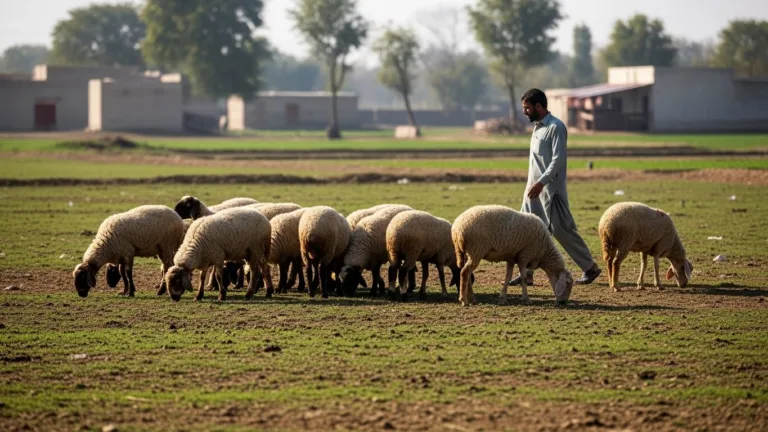
Imagine waking up every morning to the gentle bleating of sheep grazing peacefully on your farm. You’re not just raising animals, you’re running your own business, making money, and contributing to your community’s food supply. Sounds pretty amazing, right? Well, thousands of people across Pakistan are doing exactly that through sheep farming!
Starting a sheep farming business might seem like something only experienced farmers can do, but here’s the truth: with the right plan and dedication, anyone can learn to raise sheep successfully. It’s kind of like learning to ride a bike. At first, it seems impossible and maybe a little scary, but once you understand the basics and practice, it becomes second nature. Whether you dream of starting a small farm with just a few sheep or building a larger operation, having a solid business plan is your roadmap to success.
In this article, we’ll walk through everything you need to know about creating a sheep farming business plan. We’ll cover the basics, break down the costs, explore different farming methods, and help you understand what it really takes to turn this agricultural dream into reality. Ready to dive in?
Why Would Someone Want to Start a Sheep Farming Business?
Before we jump into the planning details, let’s talk about why sheep farming is actually a smart business idea. Understanding the “why” will help you stay motivated when challenges come up!
First off, there’s huge demand for sheep products in Pakistan. Every year during Eid-ul-Adha, millions of families need sheep for sacrifice. Beyond religious occasions, people love mutton (sheep meat) for everyday meals, weddings, and celebrations. This consistent demand means you’ll always have potential customers. It’s not like trying to sell something nobody wants, you’re offering products people actively seek out!
Secondly, sheep are relatively easy to manage compared to other livestock. They don’t need fancy equipment or super expensive housing like dairy cows might. Sheep can graze on land that’s not suitable for growing crops, turning grass and scrub into valuable meat and wool. Think of them as nature’s lawn mowers that also produce profit!
Finally, sheep farming offers multiple income streams. You can sell sheep for meat, sell their wool, sell breeding stock to other farmers, or even sell organic fertilizer from their manure. It’s like having a business with several cash registers instead of just one. Platforms like Multanfarms.com have made it easier than ever to connect with buyers, expanding your market beyond just your local area.
What Should Your Initial Investment Look Like?
Let’s talk money, because every business plan needs a realistic budget. Starting a sheep farm isn’t free, but it’s also not as expensive as you might think. Your initial investment will depend on the scale you’re planning, but let’s break down the main costs.
Purchasing your foundation flock is your biggest initial expense. If you’re starting small, buying 10-20 sheep might cost anywhere from PKR 200,000 to PKR 600,000, depending on the breeds you choose and current market prices. Remember those premium breeds we talked about in other articles? They’ll cost more upfront but might bring better returns later.
Land and shelter come next. If you already own land, great! You’re ahead of the game. If not, you’ll need to either rent or buy grazing land. A small operation might work on just one or two acres to start. You’ll also need basic shelter, nothing fancy, just protection from extreme weather and predators. A simple shed might cost PKR 50,000 to PKR 150,000 to build, depending on size and materials.
Feed, healthcare, and equipment round out your initial costs. Even though sheep graze, you’ll need supplemental feed, especially during dry seasons. Budget around PKR 30,000 to PKR 50,000 for initial feed supplies. Add another PKR 20,000 to PKR 30,000 for veterinary care, vaccinations, and basic equipment like water troughs and feeders. It adds up, but think of it as investing in your future rather than just spending money!
How Do You Choose the Right Sheep Breeds for Your Farm?
Choosing the right breed is like picking the right tool for a job. You wouldn’t use a hammer to cut wood, right? Similarly, different sheep breeds excel at different things, and your choice should match your business goals.
If you’re focusing on meat production, breeds like Kajli, Thalli, or Lohi are excellent choices for Pakistan’s climate. These breeds grow quickly, produce quality meat, and adapt well to local conditions. The Kajli breed, popular in Punjab, can reach good market weight in just 8-10 months. That means faster turnover and quicker profits!
For wool production, you’d want to look at breeds like the Rambouillet or local breeds known for quality fleece. However, wool production is less common in Pakistan’s hot climate compared to colder countries. Most Pakistani farmers focus on meat production because that’s where the demand is strongest.
Dual-purpose breeds offer a middle ground, providing both meat and wool. These can be great for beginners because you’re not putting all your eggs in one basket. You can sell wool for additional income while raising sheep primarily for meat. Some farmers on platforms like Multanfarms.com actually specialize in helping new farmers select the right breeds for their specific location and goals.
What Does Your Daily and Seasonal Management Plan Include?
Running a sheep farm isn’t just about buying animals and watching them grow. You need a practical management plan that covers daily tasks and seasonal activities. Let’s break this down so it makes sense!
Daily management includes feeding, providing fresh water, and checking on your sheep’s health. You’ll spend about 2-3 hours each day on these basics. It’s like having a part-time job at first, but as you get more efficient, it becomes quicker. You’ll also check fences to prevent escapes (trust me, sheep are surprisingly good at finding weak spots!) and protect against predators.
Seasonal activities vary throughout the year. Spring is typically lambing season when baby sheep are born. This is an exciting but busy time requiring extra attention to newborns and mothers. Summer focuses on good grazing management and parasite control. Autumn is often when you’ll sell market-ready sheep, especially those preparing for the Eid season. Winter requires ensuring adequate shelter and supplemental feeding since grass is scarce.
Record keeping might sound boring, but it’s absolutely crucial! You need to track which sheep are related (to avoid inbreeding), vaccination dates, feed costs, and sales. Think of it like keeping score in a video game, these numbers tell you if you’re winning or losing! Simple notebooks work fine, but some farmers use smartphone apps or spreadsheets to make tracking easier.
How Can You Market and Sell Your Sheep Effectively?
You can raise the healthiest, best-looking sheep in the country, but if you can’t sell them, your business won’t succeed. Marketing is how you connect your great products with people who want to buy them!
Traditional markets remain popular in Pakistan. Livestock markets (mandis) in your area are where local buyers come to purchase sheep. Building relationships with regular customers and other traders can lead to repeat business. Word-of-mouth advertising is powerful in rural communities, if you develop a reputation for quality animals, buyers will seek you out!
Online platforms are changing the game completely. Websites like Multanfarms.com let you list your sheep with photos and descriptions, reaching buyers across different cities without leaving your farm. It’s like having a shop that’s open 24/7 and visible to thousands of potential customers. Social media groups and agricultural forums also help farmers connect with buyers directly.
Direct sales to restaurants, butcher shops, or families can be very profitable. These buyers often pay premium prices because they’re avoiding middlemen. During Eid season especially, many families prefer buying directly from farmers they trust. Building a customer base takes time, but loyal customers who return year after year become incredibly valuable.
What Challenges Should You Prepare For?
Every business faces obstacles, and sheep farming is no exception. Being prepared for challenges doesn’t mean you’re being negative, it means you’re being smart!
Disease and health issues are probably your biggest concern. Sheep can get sick from parasites, infections, or poor nutrition. That’s why having a good relationship with a veterinarian and following vaccination schedules is so important. Prevention is always cheaper than treatment, kind of like how brushing your teeth prevents expensive dental work!
Market price fluctuations can affect your profits. Sheep prices rise dramatically before Eid but drop afterward. Smart farmers plan around these cycles, selling when prices are high and buying breeding stock when prices are lower. It requires patience and good timing.
Weather and climate challenges impact grazing conditions and sheep health. Droughts mean expensive supplemental feeding, while excessive rain can lead to disease problems. Having emergency funds set aside for tough seasons is part of good business planning. Most experts recommend keeping at least three months’ worth of operating expenses saved as a cushion.
Bringing It All Together
Starting a sheep farming business isn’t just a dream, it’s a real possibility if you approach it with a solid plan. We’ve covered the major components: understanding why sheep farming makes business sense, calculating your initial investment, choosing the right breeds, managing daily operations, marketing effectively, and preparing for challenges.
The key to success isn’t being perfect from day one. It’s about starting with a clear plan, learning from experience, and continuously improving. Many successful sheep farmers started with just a few animals and grew their operations over time. Your business plan is like a GPS, it guides you toward your destination but allows for detours when necessary.
So, are you ready to take the first step toward building your own sheep farming business? What aspect of sheep farming excites you most, the idea of working outdoors, being your own boss, or contributing to your community’s food supply? Whatever your motivation, remember that every successful farm started with someone who decided to turn their plan into action!