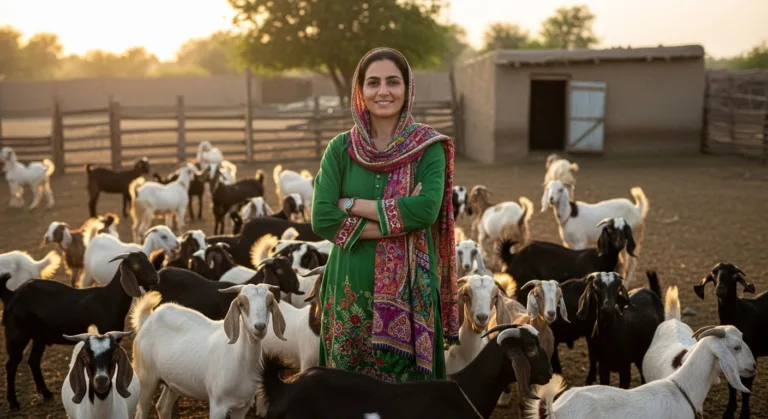
Hey, imagine this: You’re out in a sunny field, surrounded by a bunch of fluffy goats munching on grass like it’s a never-ending picnic. One goat even bumps your leg, looking for a scratch behind the ears. Sounds fun, right? Well, in Pakistan, that’s not just a dream—it’s a real way people make money and feed their families. We’re talking about goat farming, where these clever critters turn into stars that produce milk, meat, and more.
But here’s the big question buzzing in your mind: Is goat farming actually profitable in Pakistan? Spoiler alert: It can be, and super rewarding too! At places like Multanfarms.com, farmers are showing how starting small can lead to big wins. In this adventure, we’ll explore why goats are such a smart pick, how to get started, and what it takes to turn a handful of goats into a buzzing business. Stick around, and by the end, you’ll see why you might want to grab a notebook and sketch your own farm plan.
Goat farming isn’t just about animals—it’s like running a mini factory on four legs. You’ll learn about cool breeds that thrive in Pakistan’s heat, sneaky challenges like keeping them healthy, and real stories from farmers who struck gold. Ready to bleat your way to the facts? Let’s hop in!
Why Goats Are the Unsung Heroes of Pakistani Farms
Picture goats as the ultimate multitaskers in the animal world. Unlike cows that need huge barns and tons of hay, goats are chill and easygoing. They’re called the “poor man’s cow” because they’re small, tough, and can turn scrappy plants into yummy products we all love—like that tender goat curry at iftar or fresh milk for your morning chai.
In Pakistan, over 80 million goats roam around, making up a big chunk of our farms. That’s more goats than you can count in a lifetime! They give us meat (mutton that’s pricier than chicken or beef), milk (creamy and full of goodness), skins for leather bags, and even wool for cozy blankets. Did you know? Pakistan churns out about 851,000 tons of goat milk and 275,000 tons of mutton every year. That’s enough to fill a stadium with cheese wheels!
The best part? Goats fit right into family life. Kids in rural spots like Multan help feed them after school, and the whole family shares the profits. It’s like having a team of furry sidekicks that work while you play cricket. No wonder experts at Multanfarms.com say goats are perfect for Pakistan’s sunny, dry weather—they browse on weeds and bushes that other animals ignore, saving you cash on fancy feed.
Picking the Perfect Goat Squad for Your Adventure
Starting a goat farm is like assembling your dream soccer team—you need the right players to score big. In Pakistan, not all goats are the same, so choosing breeds that match your goals is key. For meat lovers, go for Beetal goats. These champs come from Punjab, like around Multan, and grow fast with juicy muscles. A single Beetal can weigh up to 60 kilos, fetching top rupees at market!
If milk is your game, try Kamori or Teddy breeds. Kamori goats handle the scorching summers like pros, producing up to 2 liters of milk a day. That’s enough for a family’s breakfast and extra to sell. Teddy goats are tiny but mighty, great for small backyards. At Multanfarms.com, they breed these tough cookies because they’re disease-resistant and breed like rabbits—does that twice a year, popping out twins or triplets each time.
Think of it like picking Pokémon: Each breed has superpowers. Start with 10-20 young females (called does) and one sturdy male (buck) to kick things off. Cost? Around 10,000 to 20,000 PKR per goat, way cheaper than a fancy bike. Pro tip: Buy from trusted spots like Multan Farms to avoid sickly starters. With good picks, your squad could double in size yearly, turning pennies into profits.
- Beetal: Meat machine, loves Punjab plains.
- Kamori: Milk queen for hot climates.
- Teddy: Compact cutie for city edges.
- Barbari: Quick grower for fast cash.
Did you know? A healthy Beetal kid sells for 15,000 PKR at Eid— that’s like getting paid for babysitting!
Crunching the Numbers: Feed, Space, and Startup Smarts
Ever wonder if you can squeeze a goat farm into your backyard? Good news: It’s doable on a shoestring! You don’t need a mansion—just 1 acre for 8-10 goats if they’re grazing freely. In Pakistan’s villages, many start with zero land, using community pastures. At Multanfarms.com, they show how simple sheds with wire fences cost under 50,000 PKR to build.
Feed is the easy win here. Goats aren’t picky eaters—they gobble leaves, kitchen scraps, and wild shrubs like kids devouring candy. Skip expensive grains; a mix of green fodder and minerals keeps them happy for 20-50 PKR per day per goat. Water? Fresh and clean, like you’d want for yourself. Total startup for 20 goats? About 300,000-500,000 PKR, including vaccines and basics. Government loans from banks make it even friendlier, with low interest for new farmers.
But let’s talk real math, like dividing candy fairly. If each doe births two kids twice a year, that’s 40 new goats from 20 moms. Sell half at 10,000 PKR each, and boom—400,000 PKR in your pocket after costs. It’s like planting seeds that sprout money trees. Just remember, scale slow: Begin small to learn, then expand like a video game level-up.
Keeping Your Goats Healthy and Happy as Clams
Nobody wants a farm full of grumpy goats, right? Health is your secret weapon for profits. Goats are tough, but Pakistan’s heat and dust bring bugs and tummy troubles. Think of vaccines as their superhero shields—shots for foot-and-mouth or pox cost pennies but save thousands.
Routine checks are like brushing your teeth: Daily eyeball for bright eyes and shiny coats, plus deworming every three months. At Multanfarms.com, vets pop in for free advice, stressing clean water and shady spots. Diseases spread fast in crowds, so space them out like kids at recess.
Here’s a fun analogy: Raising goats is like training for a race. Feed them right, and they sprint to market weight in six months. Skimp, and they’re huffing behind. With care, your herd stays perky, popping out healthy babies that sell quick. One farmer in Faisalabad turned a sick flock around with simple herbs—now he’s banking steady cash!
Facing Hurdles: The Bumps on Your Farm Road
Okay, it’s not all bleats and high-fives. Goat farming has twists, like any cool quest. Markets can swing—prices dip post-Eid—but planning beats panic. Transport far? Fuel eats profits, so sell local in Multan bazaars where folks pay premium for fresh.
Predators like jackals lurk, but sturdy fences (think 1.5 meters high) keep them out. And climate? Pakistan’s monsoons flood low spots, so pick high ground. Multanfarms.com tips: Join farmer groups for shared vet rides and bulk feed buys. It’s like teaming up in Fortnite—stronger together.
Real talk: One newbie in Punjab lost goats to thirst one dry summer. Lesson? Backup water tanks. But here’s the upside—challenges build skills, turning you into a farm pro faster than you think.
Selling Your Goat Goodies: From Farm to Feast
Profits hide in smart selling, like trading Pokémon cards at peak value. Goat meat flies off shelves year-round, but Eid-ul-Adha? Jackpot time—prices double to 1,000 PKR per kilo! Milk sells to dairies for 100 PKR a liter, and skins to leather folks for extra bucks.
Build buzz: Use WhatsApp groups or Multanfarms.com networks to connect buyers. Export dreams? High-quality Pakistani goats hit Middle East markets big. One clever farmer in Multan branded his milk as “farm-fresh,” doubling sales to city shops.
Analogy time: It’s like baking cookies—make ’em tasty, package cute, and watch neighbors line up. With 50 goats, expect 500,000-1,000,000 PKR yearly after costs. That’s college fund money or a family vacation!
Real-Life Wins: Stories from Pakistan’s Goat Gurus
Nothing beats hearing from the pros. Take Ahmed from Multan—he started with five Beetal does in his backyard, inspired by Multanfarms.com guides. Two years later? 50 goats, selling meat to hotels for 800,000 PKR profit. “It’s like my goats pay the bills while I chill,” he laughs.
Or Sara in Faisalabad, a mom who added Teddy goats to her veggie patch. Her milk sales cover school fees, and kids help milk—family bonding with bucks! In Punjab, a group of 10 farmers pooled for a shared herd, dodging solo risks and tripling earnings.
Did you know? Goat farming lifts rural families out of tough spots, with women leading 30% of herds. These tales show: Start small, stay smart, and watch dreams goat-get-her-done.
Wrapping Up: Your Turn to Graze the Green Path
So, we’ve bleated through the basics: Goats are profit powerhouses in Pakistan, thriving on low costs and high demand for meat, milk, and more. From picking breeds like Beetal champs to dodging health hiccups and selling at Eid peaks, it’s clear why spots like Multanfarms.com buzz with success. With a bit of land, love, and learning, anyone can turn goats into gold—boosting families and farms alike.
Why does this matter to you? In a world of gadgets and games, goat farming connects us to roots, teaching grit and growth. It’s sustainable, fun, and feeds the future. Imagine the pride of saying, “My goats helped build our home.” What’s stopping you from sketching that first pen? Head to Multanfarms.com for tips, or chat with a local farmer—your adventure awaits. What’s your first goat name gonna be?