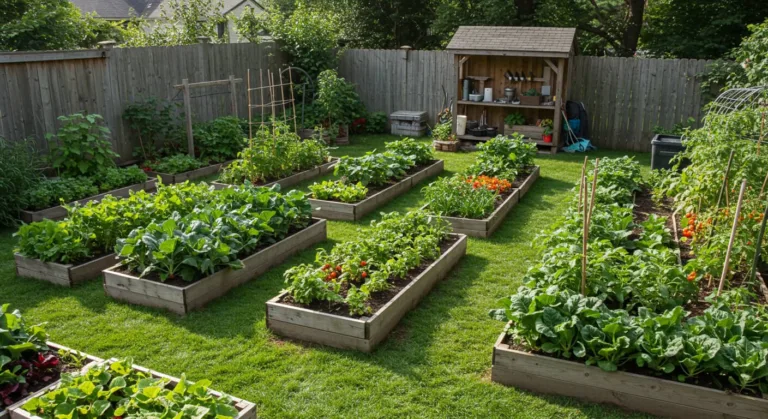
Have you ever walked through a grocery store and wondered why vegetables cost so much? Or maybe you’ve seen your parents stress about rising food prices and wished there was a way to help. Well, here’s some exciting news: with the right knowledge and a small patch of earth, you could potentially grow enough fresh vegetables to feed your family all year long! It’s like having your own personal grocery store right in your backyard.
The secret to growing vegetables successfully isn’t some magical green thumb, it’s all about timing. Just like how you wouldn’t wear a winter coat in summer, different vegetables need to be planted at specific times of the year to thrive. This is where a vegetable growing season chart becomes your best friend. Think of it as a calendar that tells you exactly when to plant each vegetable so you can enjoy fresh produce in every season.
Imagine walking out to your garden in the middle of winter and picking fresh lettuce for your sandwich, or harvesting juicy tomatoes in the heat of summer. With the right planting schedule, this dream can become your reality!
Why Timing Is Everything in Vegetable Gardening
Picture this: you’re planning a big birthday party. You wouldn’t send out invitations the day of the party, right? You’d plan weeks ahead to make sure everything goes perfectly. Vegetable gardening works the same way. Each plant has its own “party schedule,” and if you miss the timing, you might end up with no vegetables at all.
Summer vegetables like tomato, hot pepper, and cucumber are best planted in spring (February and March) and will produce until September or October. It’s like these plants are built for warm weather, they love soaking up the summer sun and heat. But try planting them in winter, and they’ll struggle like you would trying to swim in a frozen lake!
On the flip side, winter vegetables are best sown in September and October and will produce until February or March. These cool-weather champions include cabbage, cauliflower, and spinach. They’re like the polar bears of the vegetable world, they actually prefer cooler temperatures and can handle frost that would destroy summer plants.
The Amazing World of Summer Vegetables
Summer vegetables are like the extroverts of the plant world, they love warmth, sunshine, and plenty of water. When you look at a vegetable growing season chart, you’ll notice that most summer crops share similar planting times and growing habits.
Take tomatoes, for example. These red beauties are probably the most popular garden vegetable, and for good reason! A single tomato plant can produce about 2.5 kg of tomatoes, and they’ll keep producing for months. That’s like getting dozens of tomatoes from one small plant! Other summer superstars include peppers, cucumbers, and various types of gourds that can feed a family with just a few plants.
The cool thing about summer vegetables is that many of them are actually fruits pretending to be vegetables. Tomatoes, peppers, cucumbers, and eggplants are all technically fruits because they grow from flowers and contain seeds. But we eat them like vegetables, so that’s what we call them in the garden.
Here’s a fun fact: some vegetables like tomato can be grown year-round in certain areas like Karachi, but cannot be grown in parts of the country where frost is certain. It’s like how some people can wear shorts all year in Florida, but definitely need winter coats in Alaska!
Winter Vegetables: The Cold-Weather Champions
If summer vegetables are the extroverts, then winter vegetables are the strong, quiet types who don’t need much attention but deliver amazing results. These plants have evolved to handle cold weather, and some actually taste better after experiencing a little frost!
Winter vegetables include leafy greens like spinach and lettuce, root vegetables like carrots and radishes, and the cabbage family (cabbage, cauliflower, and broccoli). A single cabbage plant can produce about 0.75 kg of food, while carrot plants yield around 130 grams each. That might not sound like much, but when you plant rows of these vegetables, you end up with plenty of food.
The best part about winter gardening is that these vegetables often store well. Potatoes can be stored for months in a cool, dark place, and root vegetables like carrots can often be left in the ground and harvested as needed. It’s like having a natural refrigerator right in your backyard!
Smart Tricks for Year-Round Growing
Here’s where vegetable gardening gets really exciting: you don’t have to stick to just one growing season. Smart gardeners use tricks to extend their growing seasons and get fresh vegetables even when it’s not the “right” time to plant them.
Early and late sowing can be beneficial by preparing seedlings of spring planting in winter under plastic sheets and fall planting in summers under shades. This is like creating a mini greenhouse effect or providing air conditioning for your plants. These techniques let you grow “off-season vegetables which are otherwise very costly in the market.”
Think about it: if everyone else is buying expensive tomatoes at the store in winter, but you’re harvesting them from your own protected plants, you’re saving money and eating fresher food. It’s like being a vegetable time traveler, bringing summer flavors into winter!
Another smart strategy is succession planting. This means planting the same vegetable every few weeks instead of all at once. For example, instead of planting all your lettuce at the same time, you could plant a small amount every two weeks. This way, you’ll have fresh lettuce ready to harvest continuously rather than having it all ready at once and then nothing for months.
Creating Your Personal Vegetable Calendar
Now that you understand the basics, how do you create your own vegetable growing schedule? It’s easier than you might think! Start by figuring out what vegetables your family actually eats. There’s no point in growing tons of vegetables that will just sit unused.
Next, look at your local climate and frost dates. The mentioned seasons are generally suited for most areas, but there are certain exceptions varying from crop to crop. Your area might be warmer or cooler than average, which could affect your planting times.
Consider starting small with easy-to-grow vegetables like radishes (which can be ready in just 30-60 days), lettuce, or herbs. These give you quick results and build your confidence. As you gain experience, you can tackle more challenging crops like tomatoes or peppers.
Remember, gardening is part science and part art. Even experienced gardeners sometimes have crop failures due to unexpected weather, pests, or other factors. The key is to keep learning and adjusting your approach each season.
Your Garden Adventure Awaits
Growing your own vegetables using a proper planting schedule isn’t just about saving money or eating healthier food, though both of those are great benefits. It’s about connecting with nature, understanding where your food comes from, and gaining a skill that humans have relied on for thousands of years.
Plus, there’s something incredibly satisfying about eating a salad made entirely from vegetables you grew yourself. It’s like being a chef, farmer, and scientist all rolled into one. Every time you successfully grow something from a tiny seed into food on your plate, you’re participating in one of life’s most amazing processes.
So, are you ready to start planning your own year-round vegetable garden? What vegetables will you choose to grow first, and how will it feel to walk into your backyard and harvest your own fresh dinner?