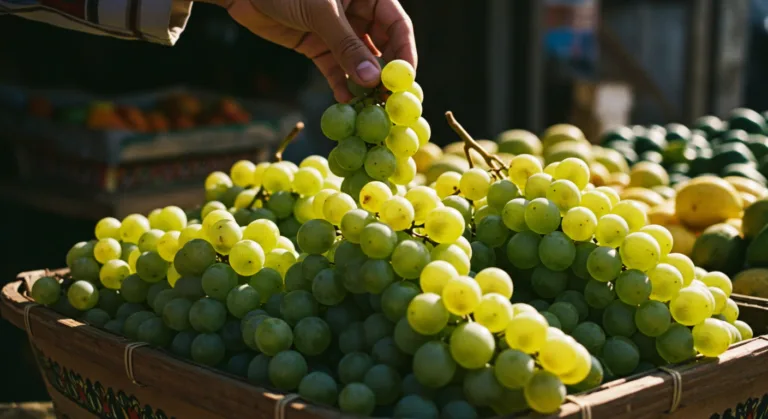
Hey, imagine biting into a grape so juicy and sweet that it feels like you’ve captured a whole sunny day in your mouth. That’s the magic of grapes from Pakistan! These little gems aren’t just a yummy snack; they’re grown in places like Multan, where the sun turns them into nature’s candy. At Multan Farms, they know all the secrets to making grapes that pop with flavor.
In this adventure, you’ll discover how these grapes grow, why they’re so special to Pakistan, and even some cool ways you can enjoy them. Whether you’re munching on them fresh or turning them into raisins, get ready to learn why grapes from spots like Multan are a big deal. Stick around, and you might just want to plant your own vine in the backyard!
What Makes Pakistan the Perfect Spot for Juicy Grapes?
Picture Pakistan’s land like a giant playground for fruits. With hot summers, cool winters, and just the right amount of sunshine, it’s like the country rolls out a welcome mat for grapevines. Grapes love to soak up that warmth during the day and chill out at night, which helps them pack in all that sweetness.
Take Multan, for example. This city in Punjab is often called a hotspot for grapes because its dry, sunny climate is like a cozy blanket for the plants. Farmers there plant grapes in well-drained soil, kind of like how you’d want good sneakers for running without slipping. Did you know? Pakistan grows grapes on about 15,000 hectares of land, producing over 64,000 tons each year. That’s enough grapes to fill thousands of school buses!
Balochistan leads the pack with almost 99% of the country’s grapes, but Punjab areas like Multan are catching up fast. Warmer spots such as Bahawalpur and Rahim Yar Khan are joining in too. It’s exciting to see how different regions team up to make Pakistan a grape powerhouse.
The Awesome Varieties of Grapes You’ll Find in Pakistan
Grapes come in all sorts of colors and sizes, like a box of crayons waiting to be picked. In Pakistan, farmers grow types that are perfect for snacking or squeezing into juice. Let’s meet a few stars from Multan Farms and beyond.
- Perlette: These are early birds, showing up in spring with pale green skin and a sweet-tart zing. They’re like the first ice cream of summer, refreshing and fun to pop in your mouth.
- Thompson Seedless: Super popular for raisins, these green beauties are seed-free and oh-so-sweet. Imagine them as the easygoing friend who’s always ready for a snack adventure.
- King’s Ruby: Deep red and juicy, these grapes look like tiny rubies. They’re great for fresh eating and add a burst of color to your fruit salad.
- Black Seedless (or Flame Seedless): Dark purple and plump, they’re like mysterious night-sky treats. Farmers in Punjab love them for their bold flavor.
At Multan Farms, they focus on varieties that thrive in the local heat, making sure each bunch is bursting with goodness. Why so many types? It keeps things interesting, just like choosing different flavors at a candy store. Next time you see grapes at the market, check the label, you might spot one from Pakistan!
How Do Farmers in Multan Turn Vines into Vineyards?
Growing grapes is like training a puppy: it takes patience, the right spot, and lots of love. In Pakistan, farmers start by picking a sunny, fertile field with soil that’s not too soggy. They plant cuttings from healthy vines in winter or early spring, spacing them about 2-3 meters apart so each plant has room to stretch.
Once planted, the vines climb trellises, like kids on a jungle gym. Watering is key, but grapes don’t like to swim, so farmers use drip irrigation to give just enough, saving water like a smart game plan. In Multan’s hot summers, they prune the vines to focus energy on big, sweet grapes instead of wild growth.
Did you know a single vine can produce up to 7 kilograms of grapes after a couple of years? That’s like harvesting a backpack full from one plant! Farmers also watch for pests, like mealybugs, which are tiny bugs that munch on leaves. A quick spray of natural helpers keeps everything healthy. It’s all about balance, making sure the grapes grow strong and tasty.
Why Pakistan’s Grapes Are Sweeter Than Your Favorite Candy
Ever wondered why a grape from Multan tastes like it was dipped in honey? It’s mostly thanks to the weather. Long, dry summers let the sun kiss the grapes, turning sugars inside them into pure sweetness. Cool winters give the vines a rest, like hitting pause on a video game to recharge.
In places like Cholistan or Thar, the hot days and sandy soil act like a natural oven, baking in extra flavor. Compare it to grapes from cooler spots: Pakistan’s might win a taste test every time! At Multan Farms, they use tricks like covering vines with nets to protect from birds, ensuring you get the juiciest bunches.
Fun fact: Grapes here are so good because of the “agro-climatic” match, which just means the land and weather high-five each other. No wonder they’re exported to places like the Middle East and Europe, spreading that sunny taste far and wide.
The Superpowers Hidden Inside Every Grape
Grapes aren’t just for fun; they’re like tiny superheroes for your body. Packed with vitamin C, they help your immune system fight off colds, keeping you ready for school or sports. Vitamin K is another hero, helping your bones stay strong so you can jump higher on the playground.
One cup of grapes gives you energy from natural sugars, plus antioxidants that protect cells like a shield against bad guys. For kids like you, they’re a smart snack that beats chips any day. Analogy time: Think of antioxidants as the cleanup crew after a party, sweeping away junk to keep things fresh.
In Pakistan, where grapes are fresh and local, eating them means supporting farmers too. Did you know? Turning grapes into raisins locks in those nutrients, so you can munch year-round. They’re low in calories but high in hydration, perfect for hot days.
From Farm to Table: How Grapes Get to You
Ever trace a grape’s journey? It starts in a Multan vineyard, where workers hand-pick bunches at dawn to keep them cool and crisp. From there, they zip to markets in cities like Lahore or Karachi, or even get packed for export.
At places like Multan Farms, they sort grapes by size and sweetness, washing them gently before boxing. Some head to juice factories, where they’re squished into drinks that taste like liquid sunshine. Others dry into raisins under the sun, shrinking but staying sweet, like grapes doing a magic trick.
Challenges pop up, like diseases such as black rot, but farmers fight back with smart sprays. It’s a team effort that brings these treats to your table. Imagine the adventure: from vine to vine, across Pakistan, right to your snack time.
Sweet Wrap-Up: Why Grapes from Pakistan Rock Your World
So, there you have it, from Multan’s sunny fields to your fruit bowl, Pakistan’s grapes are a story of sun, soil, and sweetness. We’ve explored the varieties that dazzle, the farming smarts that make them grow, and the health boosts that make them awesome. Places like Multan Farms show how one fruit can bring joy, jobs, and even exports to the country.
Why does this matter to you? Because next time you grab a bunch, you’re tasting a piece of Pakistan’s vibrant farms, supporting growers who work hard under the sun. It’s a reminder that good things come from caring for the land. What’s your go-to way to eat grapes, fresh or as raisins? Why not ask a grown-up to visit a local market and hunt for Pakistani ones, or even start a mini vine at home? The grape adventure is just getting started!