Have you ever cracked open an egg for breakfast and wondered where it actually came from? Sure, you know it came from a chicken, but have you thought about how one chicken can produce an egg almost every single day? That’s like completing a major project every 24 hours without taking a break! It’s actually pretty amazing when you think about it.
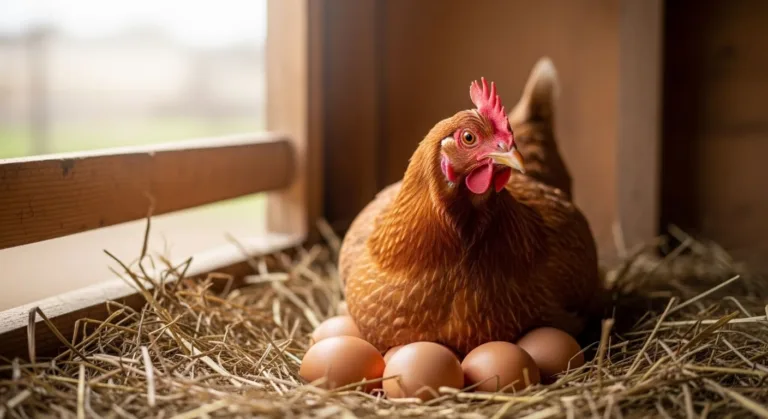
The chickens that lay most of the eggs you eat are called layer hens, and they’re basically egg-producing superstars. These special chickens have been bred over many years to be incredibly good at one thing: making eggs. Unlike the chickens raised for meat (called broilers), layer hens are all about egg production. They’re the marathon runners of the chicken world, built for endurance and consistency.
In this article, we’ll explore the fascinating world of layer hen egg production. You’ll discover what makes these chickens so special, how the egg-making process actually works, what farmers do to keep their hens healthy and productive, and why all of this matters for your breakfast table. Trust me, you’ll never look at scrambled eggs the same way again!
What Makes Layer Hens Different from Other Chickens?
Not all chickens are created equal, at least when it comes to egg production. Layer hens are specifically bred to lay lots of eggs, kind of like how some dogs are bred to be great at herding sheep while others are better at being lap dogs. The most common breeds you’ll find on egg farms include White Leghorns, Rhode Island Reds, and Plymouth Rocks.
A typical layer hen starts producing eggs when she’s about 18-20 weeks old, that’s roughly four to five months. Once she gets going, she can lay an egg almost every day for about two years! That means a single hen can produce around 300 eggs per year. Imagine if you had to create 300 of anything in a year, that’s pretty impressive!
These chickens have been carefully selected over generations to be efficient egg producers. They’re smaller than meat chickens because they don’t need big muscles, they need to put all their energy into making eggs. Think of them as compact, specialized factories that take feed and water and transform them into the perfect breakfast food.
The Amazing Egg-Making Process Inside a Hen
So how does a chicken actually make an egg? The process is surprisingly complex and happens in stages, kind of like an assembly line in a factory. It all starts with something called an ovary, which is where the yolk (the yellow part) begins. The yolk is basically the egg’s food supply, packed with nutrients.
Once the yolk is ready, it travels down a tube called the oviduct. This is where the magic really happens! As the yolk moves along, different parts of the egg get added at different stations. First, the egg white (called albumen) wraps around the yolk. Then, two thin membranes form around the white. Finally, the hard shell gets added at the end of the journey.
The whole process takes about 24-26 hours from start to finish. That’s why most hens lay one egg per day, and usually around the same time each day. It’s like they have an internal clock that keeps everything on schedule! The shell is the last thing to form, and it’s made mostly of calcium. That’s why farmers make sure their hens get plenty of calcium in their diet, without it, the shells would be weak or missing entirely.
Here’s a cool fact: the color of the eggshell (white, brown, or even blue-green) depends on the breed of the chicken, not what she eats. It’s determined by genetics, just like how your eye color is determined by your parents’ genes!
What Do Layer Hens Need to Stay Healthy and Productive?
Just like you need the right food, water, and environment to do your best in school or sports, layer hens need specific things to produce quality eggs consistently. At places like Multanfarms.com, understanding these needs is crucial for successful egg production.
First up is nutrition. Layer hens need a balanced diet that’s high in protein and calcium. Their feed is specially formulated to give them everything they need to make strong shells and nutritious eggs. Think of it like how athletes need specific diets to perform well, hens need their special mix too. They typically eat about a quarter pound of feed per day, which doesn’t sound like much, but remember, they’re converting that into an egg!
Water is just as important. A hen needs to drink about twice as much water as she eats in feed. Without enough water, egg production drops fast. It’s like trying to run a race when you’re dehydrated, your performance suffers.
Lighting also plays a huge role that might surprise you. Layer hens need about 14-16 hours of light per day to keep laying eggs regularly. This is because light triggers hormones that tell their bodies to produce eggs. During winter when days are shorter, farmers often use artificial lights to keep production steady. It’s nature’s way of normally slowing down egg production during tough seasons, but modern farms work around this.
Finally, hens need a comfortable, clean environment. They need space to move around, perches to rest on, and nesting boxes where they feel safe laying their eggs. Stress can really hurt egg production, so happy hens make more eggs!
Different Ways Farmers Raise Layer Hens
Not all egg farms operate the same way. There are several different systems for raising layer hens, and each has its own advantages. Understanding these systems can help you make informed choices about the eggs you buy.
Conventional cage systems used to be the most common. In this setup, hens live in small cages arranged in rows. While this system is efficient and keeps eggs clean, many people have concerns about the hens not having enough space to move around naturally.
Cage-free systems have become more popular in recent years. Here, hens can roam freely inside a barn. They can spread their wings, perch, and move around more naturally. However, cage-free doesn’t mean outdoor access, they’re still inside a building.
Free-range systems give hens access to the outdoors, at least for part of the day. They can scratch in the dirt, hunt for bugs, and enjoy fresh air. This is closer to how chickens naturally behave, though it requires more land and management.
Pasture-raised is the most natural system, where hens spend most of their time outside on grass, moving to fresh pasture regularly. At Multanfarms.com, various production methods might be explored to find the best balance between hen welfare and quality egg production.
Challenges Farmers Face in Egg Production
Running an egg farm isn’t as simple as just feeding chickens and collecting eggs. Farmers deal with lots of challenges that can affect production. One of the biggest is disease prevention. When you have hundreds or thousands of hens living together, diseases can spread quickly. Farmers have to be super careful about cleanliness, vaccination, and watching for any signs of illness.
Temperature control is another big deal. Hens are most productive when the temperature is between 65-75°F. Too hot or too cold, and egg production drops. During summer heat waves or winter cold snaps, farmers have to work extra hard to keep their birds comfortable. It’s like trying to concentrate on homework when your room is way too hot or freezing cold, it’s just harder to perform well.
Predators can also be a problem, especially for free-range operations. Foxes, hawks, raccoons, and other animals would love a chicken dinner. Farmers have to use fencing, guards, and other methods to protect their flocks.
There’s also the challenge of economics. Feed prices can go up and down, making it harder to predict costs. The price farmers get for eggs also varies, so they have to manage their operations carefully to stay profitable while keeping their hens healthy.
Why Layer Hen Egg Production Matters to You
You might be wondering why you should care about all this chicken and egg stuff. Well, eggs are one of the most affordable and nutritious protein sources available. They’re packed with vitamins, minerals, and high-quality protein that your growing body needs. Understanding how they’re produced helps you appreciate the work that goes into that simple breakfast.
Egg production is also a huge industry that provides jobs for thousands of people and helps feed millions. In the United States alone, there are about 325 million layer hens producing roughly 100 billion eggs each year! That’s a lot of omelets, cakes, and breakfast sandwiches.
Being informed about where your food comes from makes you a smarter consumer. When you’re at the grocery store and see different labels like “cage-free,” “free-range,” or “organic,” you’ll actually know what those terms mean. You can make choices based on what matters to you, whether that’s price, how the hens are raised, or nutrition.
Plus, the science behind egg production is genuinely cool! The fact that a chicken can take simple feed and water and transform them into a perfect, nutritious package is pretty remarkable. It’s biology, chemistry, and engineering all wrapped up in a shell.
The Future of Egg Farming
Layer hen egg production has come a long way over the years, and it continues to evolve. Today’s hens lay way more eggs than their ancestors did a hundred years ago, thanks to better breeding, nutrition, and care. Looking ahead, farmers and scientists are working on making egg production even more sustainable and humane.
Technology is playing a bigger role too. Some modern farms use automated systems to feed hens, collect eggs, and monitor the environment. Sensors can track each hen’s health and productivity, kind of like how fitness trackers monitor your steps and heart rate. This helps farmers spot problems early and take better care of their flocks.
There’s also growing interest in reducing the environmental impact of egg production. This includes finding ways to use less water, reduce waste, and lower energy consumption. Some farms are even using chicken manure as fertilizer for crops, creating a cycle where nothing goes to waste!
Whether you grab eggs from the refrigerator for breakfast tomorrow or bake them into cookies this weekend, you’re connected to this amazing process. Next time you crack open an egg, take a second to appreciate the incredible layer hen that made it possible. Isn’t it amazing how much science, care, and nature work together to bring food to your table?