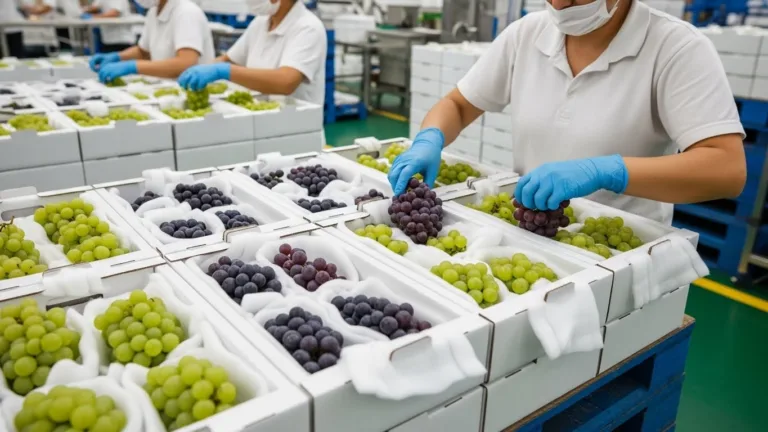
Have you ever popped a juicy grape into your mouth and wondered where it came from? Sure, you grabbed it from your fridge, but before that, it was sitting in a grocery store. And before that? It was growing on a vine at a grape farm, soaking up sunshine and turning into the perfect snack. Pretty cool when you think about it, right?
Grape farms are way more interesting than you might imagine. They’re not just fields of plants, they’re carefully planned operations where farmers use science, patience, and a whole lot of hard work to grow those little bundles of sweetness we all love. From the rolling vineyards that produce grapes for your favorite juice to the farms that grow grapes destined to become raisins, there’s so much happening behind the scenes.
In this article, we’re going to explore the fascinating world of grape farming. You’ll learn how these farms actually work, what it takes to grow perfect grapes, the different types of grape farms that exist, and even some surprising facts about the journey grapes take before they end up in your hands. Let’s dig into the dirt and discover what makes grape farms so amazing!
What Actually Happens on a Grape Farm?
When you picture a farm, you might think of rows of corn or fields of wheat, but grape farms (also called vineyards) look totally different. Imagine walking through endless rows of vines, each one carefully tied to wires and posts, stretching out like green curtains across the landscape. That’s what a grape farm looks like!
A grape farm is basically a place dedicated to growing grapevines, and these aren’t wild plants growing wherever they want. Farmers plant them in super organized rows with specific spacing between each vine. Why? Because grapevines need room to spread out, access to sunlight, and good air circulation to stay healthy. Think of it like how you need your own space in class to focus and do your best work, grapes need their space too!
The work on a grape farm changes with the seasons. In spring, farmers are busy pruning (that means cutting back) the vines to help them grow stronger. Summer is all about watching the grapes develop and making sure the plants get enough water. Fall is harvest time, when the grapes are finally picked. Winter might seem quiet, but farmers are planning for the next year and maintaining their equipment. It’s a year-round job that never really stops!
The Science Behind Growing Amazing Grapes
Growing grapes isn’t as simple as just sticking some seeds in the ground and waiting. There’s actually a ton of science involved, and farmers need to be part gardener, part detective, and part weather forecaster to do it right.
Soil matters big time. Grapevines are picky about where they grow. They like soil that drains water well (so their roots don’t get waterlogged and rot) but still holds enough moisture to keep them hydrated. Many grape farms test their soil regularly to make sure it has the right nutrients. It’s kind of like how your body needs vitamins and minerals to stay healthy, grapevines need things like nitrogen, potassium, and phosphorus from the soil.
Water is a balancing act. Too much water and the grapes become diluted and tasteless. Too little and they shrivel up or the vines get stressed out. Modern grape farms, like those featured on Multanfarms.com, often use drip irrigation systems. These are basically networks of tubes that deliver water directly to each plant’s roots, drop by drop. It’s super efficient and helps farmers control exactly how much water each vine gets.
Sunlight and temperature are crucial. Grapes need lots of sunshine to develop their sugars, which is what makes them sweet. But they also need cooler nights to maintain their acidity, which balances out the sweetness. That’s why grape farms are often in places with hot days and cool nights. The temperature difference is what creates those perfectly balanced grapes you love to snack on!
Different Types of Grape Farms Serve Different Purposes
Here’s something you might not know: not all grape farms grow grapes for the same reason. In fact, there are several different types of grape farms, each with its own special purpose!
Table grape farms grow the grapes you buy at the grocery store to eat fresh. These grapes are bred to be seedless (because nobody likes spitting out seeds), have thin skins, and be super sweet and crunchy. Varieties like Red Globe, Thompson Seedless, and Flame grapes come from these farms. The farmers focus on making the grapes look perfect because, let’s face it, you’re probably more likely to buy a beautiful bunch than one with smooshed or weird-looking grapes.
Wine grape farms (vineyards) grow grapes specifically for making wine. These grapes are usually smaller, have thicker skins, and contain more seeds than table grapes. They might not look as appetizing to eat fresh, but they’re perfect for crushing and fermenting. Fun fact: there are over 10,000 different varieties of wine grapes in the world! Each one creates a different flavor profile in the final wine.
Raisin grape farms grow grapes that are destined to be dried. Thompson Seedless grapes are the most popular choice for this. After harvest, these grapes are laid out on paper trays between the vine rows to dry in the sun for about two to three weeks. They lose about 75% of their water weight and turn into those wrinkly, chewy raisins you find in trail mix and cookies.
The Growing Season: From Bud to Harvest
Let’s walk through what actually happens during a growing season on a grape farm. It’s like watching a carefully choreographed dance that takes almost a year to complete!
Everything starts in early spring when the vines begin to “wake up” from their winter dormancy. Tiny buds appear on the woody vines, and eventually, these buds burst open to reveal small leaves and the beginnings of grape clusters. Farmers call this “bud break,” and it’s one of the most exciting times on a grape farm because it signals that the new season has officially begun.
As spring turns to summer, the grape clusters go through flowering and fruit set. The vines produce tiny flowers that, if successfully pollinated, will develop into grapes. Not every flower becomes a grape though, and farmers sometimes thin out excess clusters to ensure the remaining grapes get all the nutrients they need. It’s quality over quantity!
The grapes spend the summer growing bigger and going through a process called veraison (pronounced “ver-AY-zhun”). This is when red grapes start changing color from green to red or purple, and all grapes begin developing their sugars. It’s basically grape puberty, when they transform from hard, sour berries into the sweet fruits we recognize. Farmers constantly test the sugar levels, acidity, and flavor to determine the perfect moment to harvest.
Harvest Time: When the Real Work Begins
Harvest season is absolutely the busiest, most intense time on a grape farm. Depending on the type of grapes and where the farm is located, harvest can happen anywhere from late summer through fall. Some farms even do nighttime harvests to keep the grapes cool!
There are two main ways to harvest grapes: by hand or by machine. Hand-harvesting is exactly what it sounds like, workers carefully cut each cluster with special scissors or shears. This method is gentler on the grapes and is usually used for higher-quality wine grapes or delicate table grapes. However, it’s also way more expensive and time-consuming. A good harvester can pick about 1-2 tons of grapes per day.
Machine harvesting uses special vehicles that straddle the vine rows and literally shake the grapes off the vines. The grapes fall onto conveyor belts and get collected in bins. This method is much faster and cheaper (one machine can harvest as much as 100 workers!), but it’s rougher on the grapes and can only be used in vineyards designed for mechanical harvesting.
After harvest, table grapes are quickly cooled down and packaged for shipping to stores. Wine grapes head straight to the winery for crushing. Raisin grapes are laid out to dry. The farmers? They take a deep breath, because they’ve got to start preparing for next year’s season already!
Cool Innovations Changing Grape Farming
Grape farming might be thousands of years old, but it’s definitely not stuck in the past. Modern grape farms are using some seriously cool technology to grow better grapes more efficiently.
Drones and satellites now fly over vineyards taking special photos that show which sections of the farm need more water or nutrients. These images can detect problems before they’re even visible to the human eye! It’s like having X-ray vision for your farm.
Weather stations and sensors throughout the vineyard constantly monitor temperature, humidity, and soil moisture. This data gets sent straight to the farmer’s phone or computer, helping them make better decisions about irrigation and pest management. Some farms even use apps that predict disease outbreaks based on weather conditions.
Sustainable farming practices are becoming more popular too. Many farms, including those connected with Multanfarms.com, are reducing pesticide use, planting cover crops between the rows to improve soil health, and using renewable energy. They’re proving you can grow amazing grapes while being kind to the environment at the same time.
From Farm to Your Table (And Why It Matters)
So why should you care about grape farms? Well, understanding where your food comes from helps you appreciate it more. That bag of grapes in your lunch didn’t just magically appear, it’s the result of an entire year of planning, hard work, and careful attention from farmers who really care about their crop.
Grape farms also play a huge role in local economies, especially in places like California, which produces about 99% of commercially grown grapes in the United States. These farms provide jobs, support communities, and keep agricultural traditions alive. When you buy grapes from farms that practice sustainable methods, you’re supporting farmers who are trying to do things the right way.
Plus, knowing about grape farms might inspire you to try growing your own food someday! Even if you don’t have space for a whole vineyard, you could grow a grapevine in your backyard or even try growing other fruits and vegetables. There’s something really special about eating food you grew yourself.
The next time you grab a handful of grapes for a snack, take a second to think about the incredible journey they took to get to you. From a tiny bud on a vine, through months of sunshine and careful farming, all the way to your hand, those grapes have quite a story to tell. Pretty amazing for something so small, right? Now, doesn’t that make them taste even better?