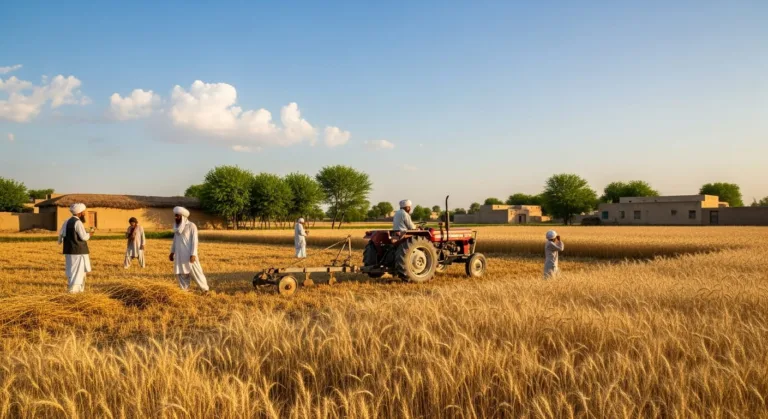
Have you ever bitten into a fluffy naan or a crispy paratha and wondered where the magic starts? It begins in vast fields across Pakistan, where golden stalks of wheat sway like a sea of sunshine under the blue sky. This isn’t just any crop, it’s the backbone of every meal for millions of people, turning simple grains into roti that feeds families every day.
Today, we’re zooming into the production of wheat in Pakistan, a story of hardworking farmers, clever tricks with water and seeds, and a bit of weather luck. You’ll learn how it all grows from tiny seeds to harvest time, why places like Multan are superstars in this game, and some cool facts that might surprise you. Stick around, because by the end, you’ll see why this wheat adventure matters to your breakfast table.
Where the Wheat Magic Happens: Punjab and Beyond
Imagine Pakistan as a giant pizza, and Punjab is the biggest, chewiest slice where most of the wheat grows. This province pumps out about 20 million tons of wheat each year, which is like stacking 80,000 Olympic swimming pools full of grain! Sindh follows with around 5 million tons, and spots like Khyber Pakhtunkhwa chip in too, but Punjab steals the show.
Right in the heart of Punjab sits Multan, a city famous for its sunny vibes and fertile soil. Farmers there, just like the ones featured on Multanfarms.com, plant wheat across millions of acres. It’s not magic, it’s the Indus River’s gift of rich, loamy earth that soaks up just the right amount of nutrients.
Did you know Pakistan ranks as the 8th biggest wheat maker in the world? That’s enough to fill over a billion loaves of bread, and most of it stays home to keep everyone fed.
Starting Small: Sowing the Seeds of Dinner
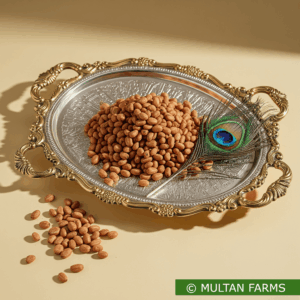
Picture this: it’s November, and farmers in Punjab grab handfuls of wheat seeds, tough little guys that look like tiny pebbles. They scatter them across plowed fields using tractors or even by hand in smaller spots, aiming for the sweet spot between the 1st and 20th of the month. Why so picky? Early planting dodges the winter chill that could freeze baby sprouts.
In Multan, where the sun shines bright even in cooler months, they use special high-yielding varieties of seeds, like Inqlab-91 or Seher, bred to grow fast and strong. It’s like choosing superheroes for your garden team, ones that fight off weak growth and pump out more grain per plant.
Farmers space the seeds about 20-25 cm apart, burying them just deep enough to hug the soil. Water them in with a gentle irrigation, and boom, the race to grow begins. On Multanfarms.com, they share tips for picking the best seeds to boost your own mini-farm dreams.
Water and Food: Keeping the Plants Happy and Growing
Wheat plants pop up like eager puppies in a couple of weeks, shooting green leaves toward the sky. But they get thirsty fast, so farmers in Pakistan’s dry climate rely on the canal system, a network of channels from the Indus River that waters over 80% of the fields. It’s like a massive sprinkler setup built by engineers ages ago, delivering just enough H2O without flooding the fun.
Next up: feeding time! Fertilizers like nitrogen (for leafy growth), phosphorus (for strong roots), and potash (for plump grains) get mixed into the soil. In irrigated Punjab spots, farmers add about 208 kg per hectare, but rain-fed areas skimp at 42 kg, which is why yields vary. Think of it as giving your plants a balanced lunch, veggies for energy and vitamins for toughness.
Weeds and bugs try to crash the party, so farmers spray safe pesticides or pull them by hand. It’s a daily check-up, like brushing your teeth to keep cavities away. Without this care, the crop could shrink by half!
The Big Harvest: From Field to Fork
Fast forward to April or May, when the wheat turns that gorgeous gold, heads heavy with kernels ready to burst. Harvest time hits, and machines called combine harvesters roar across the fields, chomping stalks and spitting out grain in one go. In busier areas like Multan, this covers thousands of acres a day, but smaller farms still use sickles for a hands-on swing.
Once cut, the wheat bundles dry under the sun for a bit, then head to threshers that separate the grain from the chaff, like winnowing flour from the bran. Trucks haul it to storage silos or markets, where it’s cleaned and milled into that white powder for your chapatis.
In 2024-25, Pakistan aimed for over 33 million tons but landed around 28.4 million due to less rain and policy hiccups, down 10% from the year before. Still, Punjab’s 17.4 million acres under wheat set a record, proving farmers’ grit.
Here’s a quick harvest checklist farmers follow:
- Check ripeness: Grains hard and straw brittle? Go time!
- Weather watch: Sunny days beat rainy surprises.
- Team up: Neighbors help for big fields, turning work into a community bash.
Challenges on the Farm: Rain, Rules, and Resilience
Growing wheat isn’t all smooth sailing, especially with Pakistan’s wild weather. Low rainfall, like the 39% dip in early 2025, left some fields parched, dropping yields in southern spots. It’s like planning a picnic and getting a drought, forcing farmers to pump extra water or watch crops wilt.
Government rules add twists too. In 2024, scrapping the minimum support price made prices wobble, sparking protests in Punjab as farmers sold low after high costs for fertilizers. Imports flooded in, undercutting local grain and leaving stacks unsold.
But hey, innovations shine through! Drip irrigation saves water like a smart bottle that only drips when needed, and certified seeds from places like Multanfarms.com boost output by 20%. One analogy: it’s like upgrading from a bike to a scooter, getting you farther with less effort.
Did you know wheat farming employs over 42% of Pakistan’s workforce? That’s millions of hands turning soil into stories on every plate.
Cool Facts and Future Wins for Wheat Lovers
Hold onto your hats, here are some zingers about wheat production in Pakistan. First, ancient folks in Mehrgarh grew it 9,000 years ago, making Pakistan a OG grain boss. Second, one hectare can yield up to 6 tons with perfect care, enough for 10,000 people’s daily roti!
Multan’s division alone grew wheat on 1.9 million acres in 2024, a chunk of Punjab’s record. And get this: climate-smart tricks, like mixing crops, could bump production 15% by 2030, fighting off heat waves.
Looking ahead, apps on phones give farmers weather tips and pest alerts, like having a pocket coach. Sustainable farming at Multanfarms.com cuts chemical use, keeping soil healthy for your kids’ kids.
Why Wheat from Pakistan’s Fields Matters to You
Wrapping up our wheat whirlwind, you’ve seen how production of wheat in Pakistan turns seeds into sustenance through sowing, nurturing, and harvesting in powerhouse spots like Punjab and Multan. From battling dry spells to record acres, it’s a tale of teamwork between nature, farmers, and tech.
This isn’t just about fields far away, it’s the grain in your grandma’s paratha or school lunch wrap, feeding over 240 million mouths and powering the economy. Understanding it helps you appreciate that simple bite and maybe even chat with a farmer next visit.
So, next time you see golden fields on a trip or scroll Multanfarms.com for tips, what small step could you take to support smart farming? Plant a seed at home, or just say thanks, it all grows the goodness!