Have you ever walked through a bustling livestock market and wondered why some sheep cost more than others? If you’re living in Pakistan or planning to buy sheep for your family’s farm, understanding sheep prices isn’t just interesting, it’s essential! Whether you’re helping your family prepare for Eid-ul-Adha or you’re genuinely curious about agriculture in Pakistan, knowing what affects the price of sheep can help you make smarter decisions.
The price of sheep in Pakistan isn’t just a random number someone picks out of thin air. It’s actually influenced by dozens of factors, from the animal’s age and breed to the time of year you’re buying. Think of it like buying a smartphone. A brand-new model with all the latest features costs more than an older version, right? Sheep pricing works similarly! Let’s dive into this fascinating world and discover what makes some sheep more valuable than others.
What’s the Average Price Range for Sheep in Pakistan?
So, how much money are we actually talking about? Well, in Pakistan, the price of sheep can vary quite a bit, typically ranging from PKR 15,000 to PKR 150,000 or even more! That’s a huge difference, isn’t it? It’s like comparing the price of a bicycle to a motorcycle.
Generally, smaller sheep or younger lambs might cost anywhere from PKR 15,000 to PKR 40,000. These are often purchased by families for personal use or smaller celebrations. Medium-sized sheep, which are popular for Eid sacrifices, usually fall in the PKR 40,000 to PKR 80,000 range. Now, if you’re looking at premium breeds or especially large, healthy sheep, you could be looking at prices exceeding PKR 100,000!
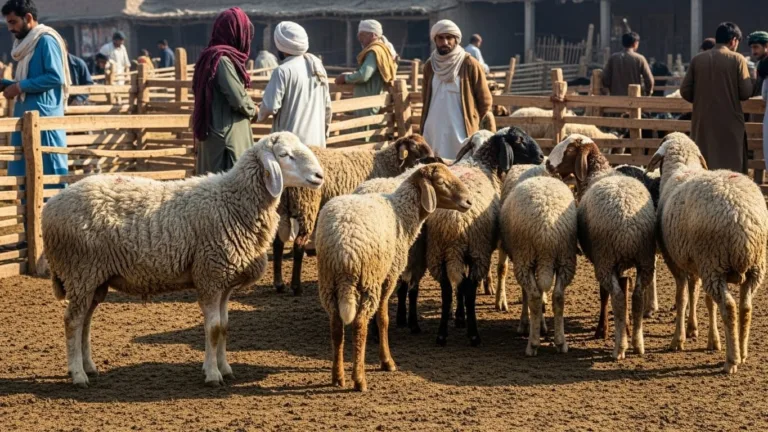
The price you’ll pay also depends heavily on where you’re shopping. Urban livestock markets in cities like Karachi, Lahore, or Islamabad tend to have higher prices compared to rural areas. Why? Because sellers in cities know that customers there often have more money to spend and less time to travel to cheaper markets. It’s simple economics, supply and demand at work!
What Breeds Command the Highest Prices?
Just like dog breeds range from affordable mixed breeds to expensive purebreds, sheep breeds in Pakistan come with different price tags. Some breeds are considered premium because of their size, meat quality, or wool production.
The Kajli breed, for instance, is incredibly popular in Punjab and parts of Sindh. These sheep are known for their impressive size and excellent meat quality. A fully grown Kajli sheep can fetch anywhere from PKR 60,000 to PKR 120,000, depending on its condition. The Thalli breed from the northern regions is another favorite. These sheep are adapted to mountainous terrains and are prized for their resilience and quality wool.
Then there’s the Dumba sheep, which are particularly sought after during Eid because of their distinctive fat tail that’s considered a delicacy in many Pakistani cuisines. A premium Dumba can cost upwards of PKR 80,000 to PKR 150,000! Imagine explaining to your friends that the sheep your family bought costs as much as a used motorcycle. That’s the reality with top-tier breeds!
How Does the Season Affect Sheep Prices?
Here’s something you might not have considered: sheep prices aren’t the same throughout the year. They fluctuate based on seasons and religious events, kind of like how chocolate prices spike around Valentine’s Day!
The most dramatic price increase happens in the weeks leading up to Eid-ul-Adha. During this time, demand for sheep skyrockets because millions of families across Pakistan want to purchase animals for sacrifice. It’s not unusual for sheep prices to increase by 30-50% during this period. A sheep that might cost PKR 50,000 in March could easily sell for PKR 70,000 or more in June when Eid approaches.
Smart farmers and buyers know this pattern well. Some families actually purchase sheep several months before Eid when prices are lower, then raise them at home until the festival arrives. This strategy can save thousands of rupees! However, it requires space, time, and knowledge about sheep care. After Eid, prices typically drop again as demand decreases, creating a yearly cycle that experienced livestock traders can predict pretty accurately.
What Physical Factors Determine a Sheep’s Price?
When you’re at a livestock market, you’ll notice that sellers and buyers carefully examine each animal. They’re looking for specific physical characteristics that determine value, almost like a judge at a dog show evaluating contestants!
Age is one of the biggest factors. Young lambs (under six months) are generally cheaper, while sheep between one to three years old command higher prices because they have more meat. However, sheep older than four years might actually decrease in value because their meat becomes tougher.
Weight and size are obviously important too. Heavier sheep mean more meat, so they naturally cost more. Most buyers prefer sheep weighing between 30-50 kilograms for household purposes. Anything significantly larger might be destined for commercial purposes or communal sacrifices.
Health condition is absolutely critical. A sheep with bright eyes, shiny coat, and active behavior will always cost more than a lethargic or sickly-looking animal. Buyers check teeth, walk around the animal, feel its body condition, and observe its movements. It’s like when you’re buying fresh fruit at the market, you look for the ripest, healthiest-looking pieces, right? The same principle applies here, just on a much larger scale!
How Do Location and Market Type Impact Prices?
Where you buy your sheep matters just as much as what you’re buying. Pakistan has different types of livestock markets, and each comes with its own pricing structure.
Rural agricultural markets in villages and small towns typically offer the lowest prices. Here, farmers sell directly to buyers without many middlemen involved. You might find excellent deals, but you’ll need to know what you’re looking for because there’s less regulation and quality control.
Urban livestock markets (mandis) in major cities are more organized but also more expensive. The convenience of accessing various breeds in one location comes with a markup. Plus, sellers know urban buyers might not have the time or knowledge to travel to cheaper rural markets, so they price accordingly.
Online livestock platforms are becoming increasingly popular too! Websites like Multanfarms.com are changing how people buy and sell livestock in Pakistan. These platforms offer the convenience of browsing from home, comparing prices across regions, and sometimes even getting animals delivered. While online prices can be competitive, you’ll want to ensure you’re dealing with reputable sellers since you can’t physically inspect the animal before purchase.
What Additional Costs Should You Consider?
Here’s something that catches many first-time buyers off guard: the initial purchase price isn’t your only expense! Just like buying a pet means budgeting for food and vet visits, owning sheep comes with ongoing costs.
Transportation can add PKR 1,000 to PKR 5,000 or more to your total cost, depending on how far you need to travel and whether you’re using your own vehicle or hiring transport. If you’re buying from a distant market, this becomes a significant factor.
Feed costs matter if you’re keeping the sheep for more than a few days. Quality fodder, grain, and supplements can cost PKR 200-500 per day depending on the sheep’s size and your chosen diet. Over several weeks, this adds up!
Veterinary care is essential, especially if you want to ensure your sheep stays healthy until Eid or breeding season. Vaccinations, deworming, and basic health checks might cost PKR 1,500 to PKR 3,000. Some buyers skip this step to save money, but it’s risky because a sick sheep can lose value quickly or even die, wasting your entire investment.
Wrapping It All Up
Understanding the price of sheep in Pakistan is like solving a puzzle with many pieces: breed, age, weight, health, season, and location all fit together to determine what you’ll pay. While prices can seem high, especially during Eid season, remember that you’re investing in quality meat, fulfilling religious obligations, or building your farm’s livestock.
Whether you’re shopping at traditional markets or browsing modern platforms like Multanfarms.com, the key is doing your homework. Compare prices across different sources, inspect animals carefully (or trust reputable online sellers), and don’t forget to factor in those additional costs beyond the purchase price.
So, next time you hear someone discussing livestock prices, you’ll understand it’s not just about money. It’s about tradition, agriculture, economics, and making informed decisions that benefit your family or farm. What factors do you think matter most when choosing the perfect sheep?