Imagine walking through rolling green fields with fluffy sheep grazing peacefully around you, knowing that these adorable animals could actually help you earn money. Sounds like a dream, right? Well, sheep farming is a real business that thousands of people around the world, including here in Pakistan, use to make a living. But before you rush out to buy your first flock, there’s one big question you need to answer: how much is this actually going to cost?
Starting a sheep farm isn’t like buying a video game or a new phone. It’s a serious investment that requires careful planning and a good chunk of money upfront. You’ll need to buy the sheep themselves, build shelters for them, buy food, pay for veterinary care, and handle dozens of other expenses that might surprise you. Some people think they can start with just a few thousand rupees, but the reality is quite different.
In this article, we’re going to break down all the costs involved in starting a sheep farm, from the obvious expenses to the hidden ones that catch new farmers off guard. Whether you’re genuinely interested in farming or just curious about where your wool sweater comes from, understanding these costs will give you a whole new appreciation for the sheep farming business. And if you’re looking for expert advice on livestock farming, resources like Multanfarms.com can help guide you through the process.
The Initial Investment: Buying Your Sheep
Let’s start with the most obvious cost, buying the sheep themselves. In Pakistan, the price of a sheep varies wildly depending on the breed, age, and quality. A regular local breed sheep might cost you anywhere from 25,000 to 40,000 rupees, while fancier breeds like the Kajli or Lohi can go for 50,000 to 100,000 rupees or even more!
Now, here’s the thing about sheep farming: you can’t just buy one or two sheep and call it a farm. Sheep are super social animals that get stressed and unhealthy when they’re alone. Think of it like this, would you want to be the only kid in your entire school? That’s how a lonely sheep feels! Most experts recommend starting with at least 10 to 15 sheep to create a healthy, productive flock.
Do the math, and you’re looking at somewhere between 250,000 to 600,000 rupees just for the animals themselves if you go with local breeds. If you want premium breeds that produce better wool or meat, you could easily spend over a million rupees on your initial flock. That’s before you’ve even bought food or built a shelter!
Here’s a pro tip: many farmers start with younger sheep (called lambs) because they’re cheaper. A quality lamb might cost 15,000 to 25,000 rupees. The downside? You’ll have to wait several months before they’re old enough to breed or sell, which means you won’t see any return on your investment right away. It’s a trade-off between saving money now and making money later.
Building a Home for Your Flock
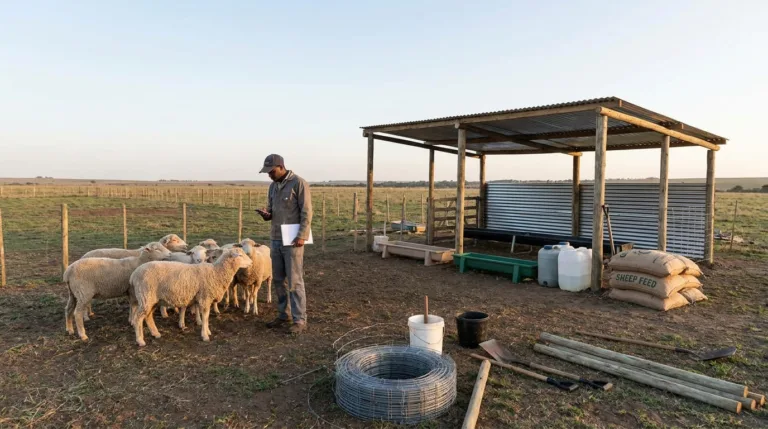
Sheep need shelter, and not just any shelter. They need protection from extreme weather, predators, and diseases. In Pakistan, where summers can be brutally hot and winters surprisingly cold in some regions, having proper housing for your sheep isn’t optional, it’s essential.
A basic sheep shed doesn’t have to be fancy, but it does need to be functional. You’ll need about 15 to 20 square feet of space per sheep, which means a flock of 10 sheep requires at least 150 to 200 square feet of covered area. Building a simple but sturdy shed with proper ventilation, a concrete or raised floor, and a corrugated metal roof typically costs between 100,000 to 300,000 rupees, depending on materials and location.
But wait, there’s more! You’ll also need fencing to create a grazing area where your sheep can roam during the day. Sheep are surprisingly good escape artists when they want to be, so you need strong, reliable fencing. For a small farm, fencing materials might cost you another 50,000 to 150,000 rupees.
Don’t forget about the little extras that add up fast: water troughs (5,000 to 15,000 rupees), feeding containers (10,000 to 20,000 rupees), and basic tools like shears for wool cutting (5,000 to 15,000 rupees). These might seem like small expenses, but they’re absolutely necessary, and together they can add another 50,000 rupees or more to your budget.
Feeding Your Flock: The Ongoing Cost That Never Stops
Here’s something that surprises a lot of new sheep farmers: feeding costs don’t stop. Ever. Your sheep need to eat every single day, and what they eat directly affects how healthy and productive they are. It’s like how you can’t live on just chips and soda, sheep need a balanced diet too!
In areas with good grazing land, your sheep can get a lot of their nutrition from grass, which is basically free. But during dry seasons or if you don’t have enough grazing space, you’ll need to buy feed. A single sheep eats about 2 to 3 kilograms of feed per day, which might include a mix of grass, hay, grains, and special mineral supplements.
Let’s break down the numbers. If you’re buying commercial feed, you might spend 80 to 150 rupees per day per sheep. Multiply that by 10 sheep, and you’re looking at 800 to 1,500 rupees daily, or roughly 24,000 to 45,000 rupees per month just on food! Over a year, that’s somewhere between 288,000 to 540,000 rupees.
Many farmers reduce these costs by growing their own fodder crops like berseem or alfalfa, but that requires land, water, and time. At Multanfarms.com, experts often recommend mixed feeding strategies that balance cost and nutrition. The key is finding the right combination that keeps your sheep healthy without bankrupting your farm.
Healthcare: Keeping Your Investment Healthy
Imagine spending hundreds of thousands of rupees on sheep, only to lose them to preventable diseases. Scary, right? That’s why healthcare is one of the most important costs in sheep farming, and it’s one you absolutely cannot skip.
Sheep need regular vaccinations against common diseases, and in Pakistan, these vaccinations typically cost between 200 to 500 rupees per sheep per year. For a flock of 10, that’s 2,000 to 5,000 rupees annually just for basic vaccines. You’ll also need to budget for deworming medicine (which kills internal parasites) about 3 to 4 times a year, costing roughly 100 to 200 rupees per treatment per sheep.
Then there are the unexpected costs. What if a sheep gets injured or sick? A single veterinary visit can cost 1,000 to 3,000 rupees, and if your sheep needs medicine or treatment, add another 2,000 to 10,000 rupees depending on the condition. It’s like having health insurance for your flock, you hope you won’t need it, but you’re in trouble if you don’t have it.
Smart farmers set aside an emergency healthcare fund of at least 50,000 to 100,000 rupees per year. It might seem like a lot, but losing even one or two sheep to disease could cost you much more than that in lost investment and future income.
Labor and Daily Management
Unless you plan to spend every single day taking care of your sheep yourself, you’ll need help. Sheep require daily attention, someone needs to feed them, clean their shelter, check for health issues, and move them to grazing areas. It’s basically a full-time job!
If you hire a shepherd or farm worker, expect to pay somewhere between 20,000 to 35,000 rupees per month, depending on their experience and your location. That’s an additional 240,000 to 420,000 rupees per year. Some farmers reduce this cost by having family members help out, but remember, time is money too. Hours spent caring for sheep are hours you can’t spend doing something else.
There are also utility costs to consider. You’ll need electricity for lighting and possibly fans in the summer, water for drinking and cleaning, and maybe even backup power for emergencies. These utility bills might add another 5,000 to 15,000 rupees per month to your expenses.
The Hidden Costs Nobody Tells You About
Now let’s talk about the sneaky expenses that catch new farmers by surprise. First, there’s the cost of breeding. If you want your flock to grow, you’ll either need to buy a quality ram (male sheep) for 40,000 to 150,000 rupees, or pay for breeding services, which typically cost 2,000 to 5,000 rupees per ewe (female sheep).
Transportation is another hidden cost. Whether you’re bringing sheep to market, transporting feed, or getting supplies, you’ll need a vehicle or will have to hire transportation. Budget at least 10,000 to 30,000 rupees annually for transportation needs.
Don’t forget about marketing and business costs. If you want to sell your sheep, wool, or meat, you might need to pay market fees, get health certificates, or invest in advertising. Some farmers spend 20,000 to 50,000 rupees yearly on these business-related expenses.
Finally, there’s the opportunity cost, the money you could’ve earned doing something else with your capital. If you invest 1 million rupees into starting a sheep farm, that’s 1 million rupees you can’t invest in another business or put in the bank to earn interest. It’s not a direct cost, but it’s definitely something to think about.
So, What’s the Total Price Tag?
Let’s add it all up. To start a small sheep farm with 10 to 15 sheep in Pakistan, you’re realistically looking at an initial investment of 500,000 to 1,200,000 rupees for the first year. This includes buying the sheep, building infrastructure, and covering initial operating costs.
After the first year, your annual operating costs will typically be around 400,000 to 800,000 rupees, depending on feed costs, healthcare needs, and labor expenses. It’s a significant investment, which is why sheep farming is a real business, not just a hobby.
But here’s the good news: with proper management, sheep farming can be profitable. Sheep produce lambs that you can sell, wool that has market value, and eventually, meat that’s always in demand. Many farmers see returns on their investment within 2 to 3 years if they manage their farm well.
Conclusion
Starting a sheep farm requires serious money and serious commitment. It’s not something you can do with pocket change or as a weekend project. The costs are real, substantial, and ongoing. From buying your initial flock to feeding them daily and keeping them healthy, every aspect of sheep farming comes with a price tag attached.
However, for those willing to invest the time, money, and effort, sheep farming can be a rewarding business both financially and personally. The key is going in with your eyes wide open, understanding all the costs involved, and planning carefully. Resources like Multanfarms.com can provide valuable guidance to help you make smart decisions and avoid costly mistakes.
Before you jump into sheep farming, do your homework, create a detailed budget, and maybe start smaller than you initially planned. The difference between a successful sheep farm and a failed one often comes down to preparation and realistic expectations about costs.
So here’s a question for you: knowing what sheep farming really costs, would you still be interested in starting your own flock someday?