When people talk about eating healthy, they usually think about chicken breasts, leafy greens, and whole grains. Rarely does anyone bring up organ meats, and even more rarely does someone mention goat heart. But here’s the thing: the benefits of goat heart are so impressive that nutrition experts studying traditional diets have started paying serious attention to it.
Goat heart has been part of South Asian, Middle Eastern, and African cooking for centuries. In cities like Multan, it’s a common ingredient in slow-cooked curries and street food dishes that have fed families for generations. People didn’t eat it simply because it tasted good. They ate it because they noticed it made them feel stronger and more energetic, and modern nutrition science is now explaining exactly why.
This article breaks down what goat heart actually contains, what those nutrients do for your body, and why this often-overlooked ingredient deserves a regular place on your plate.
A Small Organ Packed With Serious Nutrition
If you picked up a goat heart and looked at it, you might not guess that it holds one of the most concentrated collections of nutrients found in any food. But that’s exactly what it is. Organ meats, especially the heart, store nutrients that the animal’s body considered most essential, which means you get an extraordinary nutritional punch in a single serving.
A standard serving of goat heart gives you high-quality protein, significant amounts of iron, a full range of B vitamins, and a compound called CoQ10 that you’ll read more about shortly. It also contains zinc, phosphorus, and selenium, all of which play important roles in keeping your body functioning well. Think of it like a multivitamin that nature assembled on its own.
What makes it stand out even further is that all these nutrients come in forms the body absorbs very efficiently. The iron in goat heart, for example, is called heme iron, which your body absorbs far more readily than the non-heme iron found in plant foods like spinach or lentils.
The Iron Story: Why Your Blood Needs This
Iron is one of those nutrients that doesn’t get talked about enough until something goes wrong. Your body uses iron to produce hemoglobin, which is the protein inside red blood cells that carries oxygen from your lungs to every part of your body. Without enough iron, this system breaks down and you end up feeling exhausted, unfocused, and weak, even if you’re sleeping well and eating regularly.
This condition is called iron deficiency anemia, and it’s surprisingly common, especially among women, growing children, and people whose diets don’t include much red meat. Goat heart is one of the best natural sources of heme iron available. Including it in your diet a couple of times a week can make a meaningful difference in your iron levels over time.
The comparison to spinach is worth pausing on. Spinach gets a lot of praise for its iron content, which is fair, but your body only absorbs about 2 to 3 percent of its iron. From goat heart, you absorb closer to 15 to 35 percent. That’s a massive difference when your goal is building healthy blood.
B Vitamins and the Energy Your Body Runs On
The B vitamin family is a group of nutrients that work behind the scenes to keep your energy stable, your nervous system healthy, and your brain functioning clearly. Goat heart is loaded with several of them, including B12, riboflavin, B6, and niacin. Each one plays a distinct role in keeping you sharp and energetic throughout the day.
Vitamin B12 deserves special attention because it’s almost impossible to get from plant sources in meaningful amounts. It’s essential for nerve function and the production of DNA. Low B12 levels cause fatigue, memory problems, and a general feeling of mental fog. A single serving of goat heart can provide well over your daily requirement of B12, which is why organ meats have always been critical in traditional diets.
Think of B vitamins like the spark plugs in a car engine. The engine might have plenty of fuel, but without those spark plugs firing correctly, everything runs poorly. B vitamins are what convert the food you eat into actual usable energy.
CoQ10: The Compound Athletes Pay Supplements For
Here’s one that might surprise you. CoQ10, short for coenzyme Q10, is a naturally occurring compound found in the cells of every living creature. Your body produces some of it on its own, but that amount decreases with age. CoQ10 plays a direct role in producing energy at the cellular level and also acts as a powerful antioxidant, protecting your cells from everyday damage.
This compound is so valued in fitness and sports circles that people pay significant amounts for CoQ10 supplements. Goat heart happens to be one of the richest natural dietary sources of CoQ10 available. Eating it gives you the same compound in a form your body recognises and uses immediately, without the supplement price tag.
The heart muscle in any animal contains especially high concentrations of CoQ10 because the heart is the most energy-demanding organ in the body. It never rests, so its cells need a constant and abundant supply of this compound to keep working.
How Goat Heart Works in Pakistani Cooking
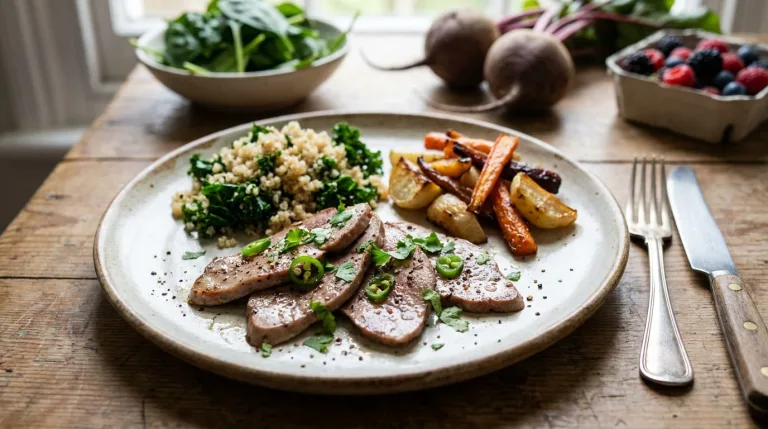
In Pakistani cooking, goat heart is typically prepared in one of two ways: slow-cooked in a spiced masala curry, or marinated and grilled as part of a mixed offal dish. Both methods bring out a rich, deep flavour that pairs beautifully with warming spices like cumin, coriander, black pepper, and ginger.
In Multan, where goat farming is deeply rooted in the local food culture, fresh goat heart is readily available from local butchers. It’s often cooked with onions and tomatoes in a thick gravy, and the resulting dish is both deeply satisfying and nutritionally dense.
One practical tip when preparing goat heart at home: rinse it thoroughly, trim any visible fat or tough membranes, and cook it completely. Slow cooking at a gentle heat works best because it tenderises the muscle fibres without making the texture rubbery.
Why This Ingredient Deserves More Credit
Goat heart has quietly delivered its nutritional benefits to generations of Pakistani families long before the word superfood entered everyday vocabulary. The protein, iron, B vitamins, and CoQ10 it contains address some of the most common nutritional shortfalls in modern diets. It’s affordable, widely available, and genuinely effective.
If you’ve never considered including organ meats in your cooking, goat heart is a natural place to start. The flavour is less intense than liver, it responds well to familiar spices, and the nutritional rewards are real and well documented.
At Multanfarms.com, you’ll find fresh, ethically raised goat products sourced directly from farms rooted in Multan’s long agricultural heritage. Your health, and your cooking, deserve ingredients this good. Explore our full range at Multanfarms.com.