If someone asked you to name healthy meats, you’d probably say chicken or fish, right? Maybe turkey if you’re thinking about Thanksgiving. But what about goat meat? If you’re scratching your head wondering, “Wait, people eat goat?” you’re not alone! In many parts of the world, especially in countries like Pakistan, India, and across the Middle East and Africa, goat meat is super popular. In fact, it’s one of the most commonly eaten meats on the planet, even though it’s not as common in American supermarkets.
Here’s the interesting part: goat meat might actually be one of the healthiest red meats you can eat. Yep, you read that right! While it doesn’t get as much attention as beef or chicken, goat meat is packed with protein, lower in fat than many other meats, and loaded with important nutrients your body needs. But is it really as healthy as people claim, or is this just hype?
In this article, we’ll explore what makes goat meat special from a health perspective, compare it to other meats you’re probably more familiar with, learn about its nutritional benefits, and discover why farms like Multanfarms.com are raising goats as a healthy protein option. By the end, you might just be curious enough to give goat meat a try!
What Exactly Is Goat Meat?
Before we dive into whether it’s healthy, let’s talk about what goat meat actually is. Just like beef comes from cows and pork comes from pigs, goat meat comes from, well, goats! Different cultures have different names for it. In some places, it’s called chevon (from adult goats) or cabrito (from young goats). You might also hear it called mutton in certain countries, though that term sometimes refers to sheep meat too.
Goat meat has been part of human diets for thousands of years, way longer than beef actually became popular. Early humans domesticated goats over 10,000 years ago, making them one of the first animals we raised for food. Goats are incredibly adaptable animals that can survive in harsh climates where cows might struggle, which is why they’re raised all over the world.
The taste of goat meat is often described as similar to lamb but milder and slightly sweeter. It’s not gamey like some wild meats, especially when it comes from younger animals. Think of it as somewhere between beef and lamb, with its own unique flavor. The texture is lean and can be tender when cooked properly, though it can get tough if overcooked (kind of like chicken breast that’s been left on the grill too long).
The Nutritional Power Packed in Goat Meat
Alright, let’s get to the good stuff! What makes goat meat healthy? The answer lies in its impressive nutritional profile. When we talk about nutrition, we’re looking at things like protein, fat, vitamins, and minerals, basically all the stuff your body needs to function at its best.
Protein powerhouse is the first thing to know about goat meat. A 3-ounce serving (about the size of a deck of cards) contains roughly 23 grams of protein! That’s similar to chicken and beef. Protein is super important because it helps build and repair muscles, keeps your immune system strong, and even helps you feel full after eating. If you’re active in sports or just growing (which you definitely are!), protein is essential.
Low in fat is where goat meat really shines. Compared to other red meats, goat meat is surprisingly lean. That same 3-ounce serving has only about 3 grams of fat, which is less than chicken thigh meat! Even better, goat meat contains less saturated fat (the type that doctors say we should limit) than beef, pork, or lamb. It’s kind of like getting all the benefits of red meat without as much of the stuff you want to avoid.
Loaded with iron is another major health benefit. Iron is crucial for making red blood cells, which carry oxygen throughout your body. Without enough iron, you’d feel tired and weak all the time. Goat meat provides a type of iron called heme iron, which your body absorbs more easily than the iron from plant sources like spinach. One serving can give you about 15-20% of the iron you need for the day!
Vitamin B12 bonanza rounds out the nutritional highlights. This vitamin is essential for brain health, nerve function, and making DNA (the instruction manual in every cell of your body). Goat meat is an excellent source of B12, providing more than 25% of your daily needs in just one serving. You can’t get B12 from plant foods, so meat eaters have an advantage here.
Goat Meat vs. Other Meats: The Showdown
How does goat meat stack up against the meats you’re probably eating regularly? Let’s put them side by side and see what happens!
Goat vs. Beef: This comparison is pretty eye-opening. A 3-ounce serving of goat meat has about 122 calories and 3 grams of fat. The same amount of beef? Around 180 calories and 8 grams of fat for lean beef, or way more if it’s a fattier cut like ribeye. Goat meat also has less cholesterol than beef. It’s like choosing between a regular burger and a healthier version that still tastes great!
Goat vs. Chicken: You might think chicken is always the healthier choice, but it depends! Skinless chicken breast is very lean with about 140 calories and 3 grams of fat per 3 ounces, similar to goat. But chicken thigh (even without skin) has more fat than goat meat. Plus, goat meat has more iron than chicken, making it a better choice if you need to boost your iron intake.
Goat vs. Pork: Pork can vary a lot depending on the cut. Lean pork tenderloin is fairly healthy, but popular cuts like bacon, ribs, or pork chops often contain significantly more fat than goat meat. A 3-ounce pork chop might have double the fat of goat meat!
Goat vs. Lamb: These are pretty similar since they’re related animals, but goat meat typically has fewer calories and less fat than lamb. Lamb tends to be richer and fattier, while goat is leaner. Think of lamb as the indulgent option and goat as the lighter alternative.
The bottom line? Goat meat holds its own against traditional protein sources and often comes out ahead in terms of fat content and calories!
Health Benefits Beyond the Numbers
Okay, so the nutrition facts look good, but what does that actually mean for your health and body? Let’s break down the real-world benefits.
Heart health is a big deal. Because goat meat is low in saturated fat and cholesterol compared to other red meats, it’s considered more heart-friendly. Your heart is basically a muscle that pumps blood constantly (about 100,000 times a day!), and keeping it healthy is super important. Choosing leaner meats like goat instead of fatty meats can help reduce the risk of heart problems later in life.
Weight management becomes easier with lean proteins. Goat meat helps you feel satisfied after eating without loading you up with extra calories and fat. It’s like filling up your car’s gas tank with exactly what you need, not overfilling it. Athletes and people watching their weight appreciate this because they can get their protein without unnecessary calories.
Better for digestion is something many people notice. Goat meat is easier to digest than beef or pork because it has less fat and the protein structure is slightly different. Some people who have trouble digesting beef find that goat meat sits better in their stomachs. It’s gentler on your digestive system, kind of like how some people find oatmeal easier to digest than heavy pancakes.
Nutrient density means you’re getting more nutrition per bite. Besides protein, iron, and B12, goat meat contains other important nutrients like zinc (for immune function), selenium (an antioxidant), and potassium (for healthy blood pressure). It’s like getting a multivitamin in food form!
Sustainable and Ethical Considerations
Here’s something cool that makes goat meat even more appealing: raising goats is often more environmentally friendly than raising cows! Goats are smaller animals, so they need less food and water. They can graze on land that’s too rocky or hilly for cattle, meaning farmers can use land that might otherwise go unused.
Lower environmental impact is significant. Goats produce fewer greenhouse gases than cattle and require less space to raise. At farms like Multanfarms.com in Pakistan, sustainable goat farming practices help provide healthy meat while being mindful of environmental impact. It’s kind of like choosing to ride a bike instead of driving a car, you’re making a choice that’s better for the planet.
Supporting local farms matters too. When you buy goat meat from responsible farms, you’re supporting agricultural communities and traditional farming practices. In many cultures, goat farming has been passed down through generations, providing livelihoods for families and keeping rural communities thriving.
Efficient feed conversion means goats turn the grass and plants they eat into meat more efficiently than some other livestock. They’re not picky eaters and can thrive on vegetation that cows might ignore. This efficiency makes them a smart choice for sustainable protein production.
How to Include Goat Meat in Your Diet
If you’re thinking, “This sounds great, but I have no idea how to cook goat meat,” don’t worry! It’s actually pretty versatile and can be prepared in many of the same ways you’d cook beef or lamb.
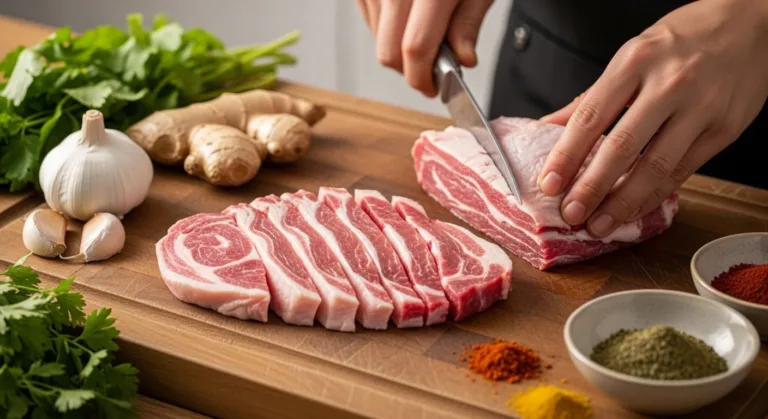
Slow cooking methods work wonderfully with goat meat. Think curry, stew, or braised dishes where the meat cooks slowly in liquid. This keeps it tender and flavorful. In Pakistan and many other countries, goat curry is a beloved dish that’s both delicious and healthy when prepared with lots of vegetables and spices.
Grilling and roasting are popular too, especially with younger, more tender goat meat. Marinating the meat first helps keep it moist and adds flavor. Imagine kebabs or grilled chops, similar to how you’d prepare lamb chops but with a milder taste.
Ground goat meat can substitute for ground beef in recipes like tacos, spaghetti sauce, or burgers. This is an easy way to try goat meat if you’re hesitant, since it’ll taste familiar in dishes you already love, just a bit healthier!
Conclusion
So, is goat meat healthy? Absolutely! With its high protein content, low fat levels, impressive vitamin and mineral profile, and lower calorie count compared to many other meats, goat meat deserves a spot in the conversation about healthy eating. It offers all the benefits of red meat, like iron and B12, without as much of the saturated fat and cholesterol that doctors tell us to limit.
From farms like Multanfarms.com to dinner tables around the world, goat meat has been nourishing people for thousands of years. It’s sustainable, nutritious, and versatile in cooking. Whether you’re an adventurous eater looking to try something new or someone interested in healthier protein options, goat meat is worth considering.
The next time you’re thinking about what protein to choose for dinner, maybe give goat meat a chance. Who knows? You might discover your new favorite healthy food! Have you ever tried goat meat, and if not, would you be willing to give it a shot after learning how healthy it can be?