Have you ever watched fish swimming in an aquarium and thought, “Wow, raising fish seems pretty cool”? Well, here’s something even more interesting: people around the world are starting their own fish farms, and it’s becoming one of the fastest-growing food industries on the planet! Whether you’re curious about where your Friday night fish dinner comes from or you’re thinking about starting a small fish-raising project at home, understanding how to start fish farming is actually pretty fascinating.
Starting a fish farm isn’t as simple as throwing a few fish in a pond and hoping for the best. It’s a science, an art, and yes, even a bit of an adventure. The good news? It’s totally doable, even for beginners, as long as you know what you’re getting into. Let’s dive into everything you need to know about starting your journey in fish farming!
What Exactly Is Fish Farming Anyway?
Before we jump into the how-to stuff, let’s talk about what fish farming actually means. Fish farming, also called aquaculture, is when people raise fish in controlled environments like ponds, tanks, or cages in the ocean. Think of it like farming, but instead of growing corn or raising chickens, you’re growing fish!
Here’s a cool fact: fish farming has been around for thousands of years. Ancient Egyptians and Chinese farmers were raising fish way back when your ancestors were probably still figuring out how to make fire. Today, nearly half of all the fish people eat worldwide comes from fish farms, not the ocean. That’s pretty amazing when you think about it!
The best part about fish farming is that it helps protect wild fish populations. When we farm fish instead of catching them from rivers and oceans, we give nature a break to replenish itself. It’s kind of like growing your own vegetables instead of picking all the wild berries in the forest.
Choosing the Right Fish to Start With
Okay, so you’re interested in starting a fish farm. The first big question is: which fish should you raise? You wouldn’t try to keep a polar bear in the desert, right? The same idea applies to fish. Different fish need different conditions, and some are way easier to start with than others.
Tilapia is often called the “beginner’s fish” because it’s super hardy and can survive in various conditions. These fish are like the golden retrievers of the fish world, friendly and easy to care for. They grow fast, don’t mind crowded spaces too much, and can handle temperature changes better than many other fish.
Catfish is another great starter option, especially if you live in warmer areas. These bottom-feeders are tough, they eat almost anything, and they’re popular at dinner tables around the world. Plus, they can breathe air in emergencies, which means they’re more forgiving if you’re still learning the ropes.
Carp might not sound fancy, but these fish are raised all over the world and they’re incredibly easy to manage. They eat plants, insects, and commercial feed, making them the least picky eaters you’ll ever meet. In some countries, carp is considered a delicacy and can sell for good money!
Setting Up Your Fish Farm Space
Now that you’ve picked your fish, where are you actually going to keep them? You’ve got a few options, and each one has its pros and cons.
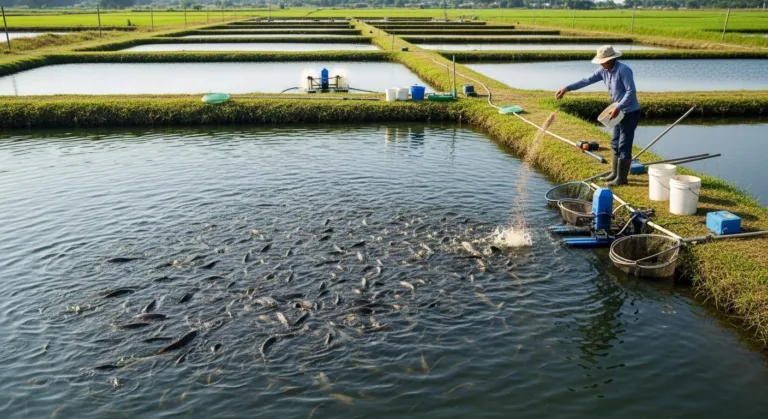
Pond farming is the most traditional method. If you have access to land, you can dig a pond or use a natural one. The cool thing about ponds is that they create a mini-ecosystem where fish can eat natural foods like algae and insects. However, you’ll need to monitor water quality constantly because, well, fish basically live in their own toilet. Sounds gross, but it’s true!
Tank systems are perfect if you don’t have much outdoor space. You can set up tanks in a garage, basement, or even a backyard. Tanks give you more control over water temperature and quality, but they require more equipment like filters and aerators. Think of it like the difference between letting your dog run in a big yard versus keeping them in a nice, climate-controlled room.
Recirculating aquaculture systems (RAS) are the high-tech option. These systems filter and reuse water continuously, making them super eco-friendly. They’re more expensive to set up, but they can work anywhere and use about 90% less water than traditional ponds. It’s like having a sophisticated water park for your fish that cleans itself!
Water Quality: The Secret to Happy, Healthy Fish
Here’s something you need to understand: fish are picky about their water in ways you might not expect. You can’t just fill up a container with tap water and call it a day. Water quality is literally the difference between success and disaster in fish farming.
Oxygen levels matter big time. Fish breathe oxygen dissolved in water through their gills. If oxygen levels drop too low, your fish will basically suffocate. You’ll need aerators or fountains to keep oxygen flowing, especially if you’re raising a lot of fish in a small space. It’s like making sure there’s enough fresh air in a crowded room.
pH levels need to stay balanced. Most fish like their water somewhere between slightly acidic and slightly basic (pH 6.5-8.5). If the pH swings too far in either direction, it stresses the fish out and makes them sick. You can test pH with simple strips from a pet store, just like testing a swimming pool.
Temperature is another big deal. Each fish species has a preferred temperature range. Warm-water fish like tilapia enjoy temperatures around 78-86°F, while cold-water fish like trout prefer it much cooler, around 50-60°F. Installing heaters or cooling systems might be necessary depending on where you live and what fish you choose.
Feeding Your Fish the Right Way
You know how you get cranky when you’re hungry? Fish are the same way! Proper feeding is crucial for growth, health, and even the taste of the fish when it’s time to harvest.
Most farmed fish eat commercial pellets specifically designed for their species. These pellets contain the right balance of proteins, fats, vitamins, and minerals. It’s basically like fish multivitamins combined with their meals. Young fish need high-protein food to grow quickly, while adult fish can handle a more balanced diet.
Here’s a mistake beginners often make: overfeeding. When you give fish more food than they can eat in a few minutes, the extra stuff sinks to the bottom and rots. This pollutes the water and can make your fish sick. It’s like leaving pizza boxes and candy wrappers all over your bedroom – eventually, it’s going to cause problems!
A good rule of thumb is to feed your fish 2-3 times a day, only as much as they can consume in about 5 minutes. Watch them during feeding time. If they’re frantically racing to grab every pellet, you might need to feed them a bit more. If food is sinking uneaten, cut back on the portions.
Keeping Your Fish Healthy and Disease-Free
Just like you can catch a cold at school, fish can get sick too. The difference is that when one fish in a crowded tank gets sick, it can spread to everyone super fast. Prevention is your best friend here.
Quarantine new fish before adding them to your main population. This means keeping new arrivals separate for at least two weeks to make sure they’re not carrying any diseases. Think of it like staying home when you’re sick so you don’t get your classmates sick.
Keep things clean. Regular water changes and removing dead fish immediately can prevent many problems. Bacteria and parasites love dirty water, so staying on top of cleanliness is like washing your hands before eating – it’s simple but really important.
Watch for warning signs. Healthy fish are active, have clear eyes, and eat enthusiastically. If your fish are hanging out at the surface gasping for air, swimming sideways, developing white spots, or refusing to eat, something’s wrong. Catching problems early can save your entire farm.
From Start to Harvest: Understanding the Timeline
So how long does it actually take to grow fish from tiny fingerlings (baby fish) to harvest size? Well, it depends on the species, but here’s a general idea.
Tilapia grows super fast. In about 6-8 months, they can reach a good eating size of around one pound. That’s faster than raising most other farm animals! Catfish takes a bit longer, usually around 18 months to reach 1-2 pounds. Carp can take 2-3 years, but they grow quite large.
The cool thing about fish farming is that you can stagger your production. Instead of putting all your fingerlings in at once, you can add new batches every few months. This way, you’re harvesting and selling fish regularly instead of having one massive harvest and then waiting months for the next one. It’s like having a continuous supply of fresh produce from your garden instead of everything ripening on the same day.
Is Starting a Fish Farm Right for You?
Starting a fish farm requires dedication, patience, and yes, some money upfront. You’ll need to invest in equipment, fish, feed, and possibly permits depending on where you live. But here’s the exciting part: once your system is running smoothly, fish farming can be incredibly rewarding, both personally and potentially financially.
Whether you’re thinking about a small backyard project to supply your family with fresh fish, or you’re dreaming bigger about starting a commercial operation, the principles are the same. Start small, learn as you go, and don’t be afraid to make mistakes. Every successful fish farmer started exactly where you are now – curious and ready to learn.
So, are you ready to take the plunge into the fascinating world of fish farming? What type of fish would you start with, and where would you set up your first tank or pond? The underwater farming adventure is waiting for you!