Have you ever noticed how your favorite veggies seem to show up at the market even when it’s chilly outside? In Pakistan, winter is like a secret superpower for growing some amazing crops, especially in places like Multan, where farmers know just how to make the most of the cooler months. While summer is all about mangos and melons, winter brings a whole new crew of plants that love the crisp air.
In this article, we’ll explore the coolest winter crops you can grow in Pakistan, why they thrive in the cold, and how you can try growing some yourself. From crunchy carrots to leafy greens, you’ll learn what makes these crops special and how they end up on your plate. Ready to dig into the world of winter farming? Let’s go!
Why Winter Is Awesome for Certain Crops
When the weather cools down in Pakistan, from November to February, it’s like the perfect time for some plants to shine. Unlike summer crops that need tons of heat, winter crops love cooler temperatures, kind of like how you might prefer a cozy sweater over a T-shirt on a chilly day. In Multan, the winter weather is just right—not too cold, not too hot—for growing veggies that fill your kitchen with flavor.
These crops grow best when the temperature stays between 15°C and 25°C, which is common in Pakistan’s winter. Think of it like picking the perfect day for a picnic, you want it comfortable, not scorching or freezing! Plus, winter crops often face fewer pests, so they’re easier to grow than you might think.
Top Winter Crops in Pakistan
Pakistan’s winter is like a playground for all kinds of delicious veggies. Here are some of the most popular ones grown in places like Multan, according to Multan Farms:
- Carrots: These crunchy, orange veggies are like nature’s candy sticks. They grow underground and love the cool soil of winter, ready to harvest in about 70 to 80 days.
- Spinach: Leafy and green, spinach is a superhero for your salads or curries. It grows super fast, sometimes ready in just 30 to 40 days!
- Cauliflower: This veggie looks like a fluffy cloud and tastes amazing in dishes like aloo gobi. It takes about 60 to 100 days to grow.
- Peas: Sweet and poppable, peas are like little green marbles you can snack on. They’re ready in about 60 to 70 days.
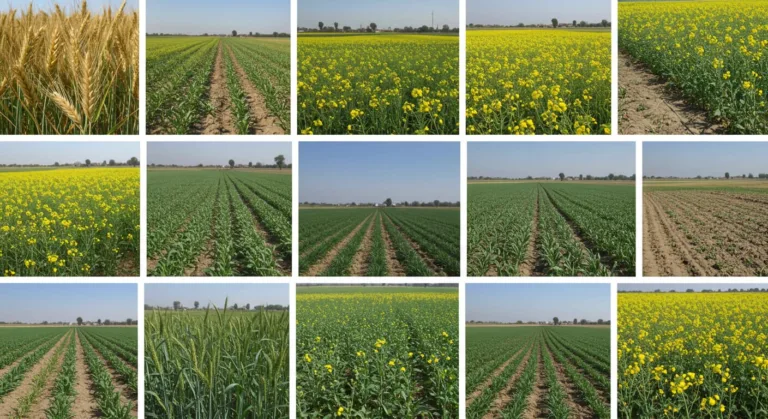
- Wheat: This isn’t a veggie, but it’s a huge winter crop in Pakistan. It’s used to make the flour for your roti and bread, growing tall in fields over 3 to 4 months.
Did You Know? In Multan, farmers grow a special type of carrot called “Desi Gajar,” which is super sweet and perfect for making gajar ka halwa, a yummy winter dessert!
How to Grow Winter Crops Like a Pro
Growing winter crops is like playing a fun game with nature, you just need to know the rules. Here’s a simple guide to get started, whether you’re planting in a garden or a pot on your balcony:
- Pick the Right Time: Sow your seeds in late October or November, when the weather starts cooling down. It’s like timing your jump into a double-dutch rope game, you want to start at the perfect moment.
- Prepare the Soil: Mix in some compost or manure to make the soil rich, like adding chocolate chips to cookie dough. This gives your plants the nutrients they need to grow strong.
- Water Wisely: Winter crops don’t need as much water as summer ones, so water them every few days, keeping the soil moist but not soggy. Think of it like giving your plants a refreshing drink, not a bath!
- Space Them Out: Give each plant enough room to grow, like making sure everyone has their own spot at a sleepover. For example, carrots need about 2 to 3 inches between each seed.
What These Crops Need to Thrive
Winter crops are pretty chill, but they still need some TLC to grow their best. Imagine you’re taking care of a pet goldfish, you need to feed it, give it clean water, and make sure its tank is cozy. Here’s what winter crops love:
- Sunlight: Most winter crops need 5 to 6 hours of sunlight a day, like how you need sunlight to feel energized for school. Make sure your garden or pots are in a sunny spot.
- Water: Water them regularly but don’t overdo it. Too much water can make their roots rot, like when your sneakers get soaked and feel gross.
- Fertilizer: Give them a boost with a fertilizer like urea or compost every few weeks. It’s like giving your plants a healthy snack to keep them growing.
Fun Fact: In Pakistan, farmers sometimes use cow dung as a natural fertilizer, which is like giving the soil a superfood smoothie!
Watch Out for Winter Crop Challenges
Even though winter is great for these crops, they can still run into trouble, like when you hit a tricky level in a video game. In Multan, pests like aphids (tiny bugs that suck plant juice) can munch on your spinach or peas. Farmers often use natural sprays like neem oil to keep them away, kind of like bug spray for plants.
Frost can also be a problem in some parts of Pakistan, especially up north. If it gets too cold, it’s like your plants catching a cold, so covering them with a cloth or straw at night can keep them warm. Also, make sure your soil drains well, because too much water can cause diseases like root rot, like when your backpack gets wet and everything inside gets moldy.
From Field to Your Plate
Once your winter crops are ready, it’s time to enjoy them! Carrots and peas are perfect for snacking raw or tossing into a stir-fry. Spinach and cauliflower make awesome curries, like palak paneer or gobi masala, that warm you up on a chilly day. Wheat gets turned into flour for your daily roti, so it’s like the backbone of every meal in Pakistan.
In Multan, farmers bring their fresh winter crops to markets, where they’re sold to families like yours. It’s like a treasure hunt, picking out the brightest carrots or the greenest spinach. Growing your own crops can make eating them even more exciting, because you know the hard work you put in!
Why Winter Crops Are a Big Deal
Winter crops in Pakistan, especially in farming hubs like Multan, are super important because they keep fresh food on your table all year round. They’re packed with nutrients to keep you healthy, and growing them teaches you how to work with nature, like being a scientist in your own backyard. Plus, places like Multan are famous for their winter harvests, making them a key part of Pakistan’s food story.
Why not try planting a few seeds this winter? Grab some carrot or spinach seeds, find a sunny corner, and start your own mini-farm. Who knows, you might grow the tastiest veggies in your neighborhood! What winter crop would you love to try growing or eating first?