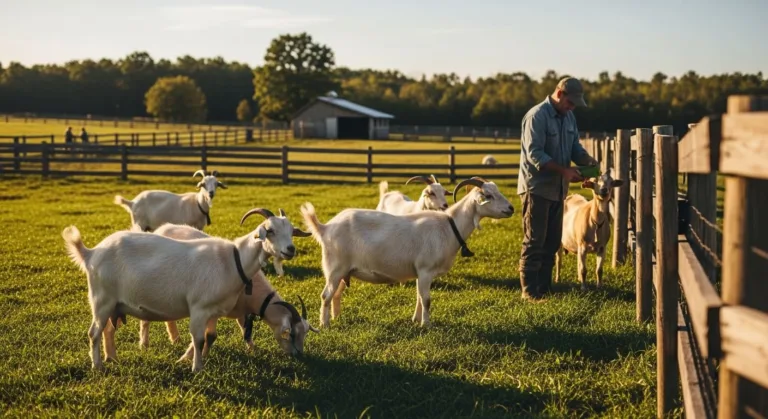
Have you ever watched goats playfully jumping around and climbing on everything they can find? They’re pretty entertaining animals, right? But here’s something you might not know: those same goats, called bakra in Urdu and Hindi, are actually the stars of a massive farming industry that millions of people around the world depend on. From the milk you might drink to the meat on dinner plates, bakra farming plays a bigger role in our daily lives than most of us realize!
Bakra farming, also known as goat farming, has been around for thousands of years. In fact, goats were one of the first animals humans ever domesticated, right up there with dogs and sheep. Today, especially in countries like Pakistan, India, and Bangladesh, bakra farming is a thriving business that provides income for countless families. Whether it’s a small farm with just a few goats or a large operation with hundreds, this type of farming is both an art and a science.
In this article, we’re going to dive deep into the world of bakra farming. You’ll discover why people raise goats, what it takes to run a successful goat farm, the different breeds farmers prefer, and how this ancient practice is still super relevant today. Ready to learn about these amazing animals and the farmers who care for them? Let’s jump in!
Why Do People Choose Bakra Farming?
So why would someone decide to become a bakra farmer instead of raising cows, chickens, or other animals? Great question! Goats have some pretty awesome advantages that make them perfect for farming, especially in certain climates and conditions. Think of goats as the ultimate low-maintenance farm animals, they’re tough, adaptable, and can survive in places where other livestock might struggle.
First off, goats don’t need fancy, expensive facilities. Unlike cows that need huge barns and tons of space, goats can thrive in smaller areas with simpler shelters. They’re also incredible eaters who aren’t picky at all! Goats can munch on grass, leaves, bushes, and even weeds that other animals won’t touch. This makes them perfect for areas where high-quality grazing land might be limited.
Another huge advantage? Goats reproduce pretty quickly and can have babies (called kids) multiple times a year. Some goat breeds can even have twins or triplets! This means farmers can grow their herds faster than with many other animals. Plus, goats are generally healthy and don’t get sick as often as some other livestock, which saves farmers money on veterinary care.
The Treasure Chest: What Do Bakras Provide?
Now let’s talk about why bakra farming is so valuable. What exactly do farmers get from raising goats? The answer might surprise you because goats are like walking treasure chests, they provide multiple products that people use every single day!
Meat is probably the most obvious product. Goat meat, often called mutton or chevon, is actually the most consumed meat in the world! It’s leaner and healthier than beef or pork, with less fat and cholesterol. In many cultures, especially during festivals like Eid ul-Adha, goat meat is in super high demand. Smart farmers time their breeding so they have healthy, full-grown goats ready for these important occasions.
Milk is another major product from bakra farming. Goat milk is easier to digest than cow’s milk and is packed with nutrients. Some people who can’t drink cow’s milk can handle goat milk just fine! It’s used to make delicious cheese, yogurt, and even ice cream. In regions where farms like those connected to Multanfarms.com operate, goat milk products are becoming increasingly popular.
But wait, there’s more! Goats also provide fiber from their hair (certain breeds like Angora and Cashmere goats), leather from their hides, and even their manure makes excellent fertilizer for crops. Talk about getting the most bang for your buck, or should we say, the most products for your goat!
Meeting the Stars: Popular Bakra Breeds
Not all goats are created equal! Just like dogs come in different breeds (think tiny Chihuahuas versus huge Great Danes), goats also come in various breeds, each with its own special characteristics. Farmers choose specific breeds based on what they want to produce and what works best in their local climate.
In Pakistan and surrounding regions, some breeds are super popular. The Beetal breed is like the superstar of bakra farming. These goats are big, strong, and produce lots of milk. They’ve got long, droopy ears and can adapt to different weather conditions. Farmers love them because they’re good for both meat and milk production.
Another favorite is the Teddy breed, which is smaller but incredibly hardy. These goats can survive in tough conditions and don’t need as much food as bigger breeds. Then there’s the Kamori breed, which is known for producing exceptionally rich milk. These goats are so valuable that they can cost a lot more than other breeds!
Some farmers also raise the Barbari breed, which is perfect for smaller farms. They’re compact, friendly, and great mothers who take excellent care of their kids. Choosing the right breed is like picking the right tool for a job, you want one that matches your goals and your farm’s specific conditions.
Setting Up Your Bakra Farm: The Basics
Let’s say you’re interested in starting a bakra farm (or you’re just curious about how it works). What would you actually need? Running a successful goat farm isn’t as simple as just buying some goats and letting them wander around. There’s actually quite a bit of planning and preparation involved!
First, you need proper shelter. While goats are tough animals, they still need protection from extreme weather, rain, and predators. The shelter doesn’t have to be fancy, but it should be dry, well-ventilated, and have enough space for all your goats to rest comfortably. Think of it like a goat apartment building, basic but functional!
Next up is fencing. Here’s a fun fact: goats are escape artists! They can jump surprisingly high and squeeze through small spaces. Good fencing is essential to keep your goats where they belong and protect them from wild animals. Many farmers use wire fencing that’s at least four to five feet tall.
You’ll also need to think about food and water. While goats can eat lots of different plants, they still need a balanced diet to stay healthy and produce quality milk or meat. Most farmers supplement grazing with grains and minerals. Fresh, clean water is absolutely essential, goats can drink several gallons per day, especially in hot weather!
Here’s what a basic bakra farm needs:
- Sturdy shelter with good ventilation
- Strong fencing to keep goats safe
- Clean water supply available all day
- Grazing area or feed storage
- Basic medical supplies for health care
- Record-keeping system to track each goat
The Daily Life of a Bakra Farmer
What’s it actually like to run a bakra farm day-to-day? It’s definitely not a 9-to-5 job! Farmers need to be ready to work every single day because animals need care whether it’s a weekend, holiday, or regular Tuesday. But many farmers will tell you that despite the hard work, it’s incredibly rewarding.
Mornings usually start early with feeding time. Farmers check on each goat to make sure everyone looks healthy and happy. Any goat that seems sick or injured gets special attention. If there are baby goats around, farmers check on them extra carefully since kids are more vulnerable than adult goats.
Throughout the day, farmers might let goats out to graze, clean shelters, check water supplies, and maintain fences. During breeding season, they carefully monitor which goats are ready to mate. When babies are expected, farmers often stay up at night to help with difficult births and make sure newborn kids are nursing properly.
Farmers also keep detailed records of each goat, when it was born, its parents, health history, weight, and production (milk or breeding). This might sound boring, but these records are super valuable for managing a successful farm. It’s like keeping report cards for each goat!
The Business Side: Making Bakra Farming Profitable
Here’s the thing about farming, it’s not just about loving animals (though that helps!). It’s also a business that needs to make money to survive. Successful bakra farmers understand both the animal care side and the business side of things.
Smart farmers figure out their production costs, which means calculating how much they spend on feed, medical care, shelter maintenance, and everything else. Then they compare that to their income from selling goats, milk, or other products. The goal is to make more money than you spend, which sounds simple but requires careful planning!
Many farmers find creative ways to increase their income. Some sell directly to customers at local markets, cutting out the middleman and keeping more profit. Others focus on breeding high-quality animals and selling them to other farmers for premium prices. Some even offer farm tours or educational programs, turning their farm into both a business and a learning center!
Timing is everything in bakra farming. Prices for goats spike during religious festivals and special occasions, so farmers plan their breeding schedules to have mature goats ready when demand is highest. It’s like a store stocking up on winter coats before the cold season hits!
Why Bakra Farming Matters to Communities
Bakra farming isn’t just about individual farmers making a living, it actually plays a huge role in entire communities, especially in rural areas. Think about it: when a farmer buys feed, that supports the grain seller. When they need veterinary care, that provides work for animal doctors. The whole community benefits from successful farms.
In many developing regions, bakra farming provides a path out of poverty for families. You can start small with just a few goats and gradually build up your herd over time. It’s an accessible type of farming that doesn’t require massive amounts of money to begin. For families struggling to make ends meet, a small goat farm can be life-changing.
Plus, bakra farming helps ensure food security in communities. When local farmers produce meat and milk nearby, people have access to fresh, nutritious food without depending on products shipped from far away. It’s sustainability in action, supporting both the local economy and the environment!
Your Connection to Bakra Farming
Even if you never plan to become a farmer yourself, understanding bakra farming helps you appreciate where your food comes from and the hard work behind it. The next time you see goat products at a market or hear about bakra farming operations in regions like Multan, you’ll have a whole new perspective on this ancient practice that’s still going strong today.
Whether it’s providing income for families, producing nutritious food, or maintaining agricultural traditions, bakra farming continues to be an essential part of our world. It’s proof that sometimes the oldest methods, when combined with modern knowledge and care, create something truly valuable. So here’s a question for you: the next time you encounter goats, will you see them differently, knowing all the ways they contribute to our lives? What aspect of bakra farming surprised you the most?