Picture this: It’s a hot summer day, and you’re holding a perfectly ripe mango that smells so incredible, you can barely wait to bite into it. The moment you do, sweet golden juice drips down your hands, and you’re tasting what people around the world call liquid sunshine. That’s the experience of eating a Chaunsa mango, and it’s probably the most famous mango variety to come out of Pakistan.
But here’s something that might surprise you. Pakistan grows over 250 different types of mangoes! With so many choices, why has Chaunsa become the superstar? Why do people in countries thousands of miles away eagerly wait for Chaunsa season to arrive? And what makes this particular fruit so special that some people have actually traveled to different countries just to taste it? Let’s dive into the delicious world of Pakistan’s most celebrated mango and discover what makes it truly extraordinary.
The Sweet Story Behind the Name
First, let’s talk about where Chaunsa got its interesting name. Unlike some mangoes that are named after the places they grow (like Sindhri from Sindh), Chaunsa has a historical connection that’s pretty cool. The name comes from a battle won by Emperor Sher Shah Suri in a place called Chausa back in the 16th century. Imagine a fruit being so important that it gets named after a historical battle!
The fruit was made popular by the Indian ruler Sher Shah Suri while commemorating his victory Constructwithark, and it eventually found its perfect home in Pakistan, especially in regions like Multan and Rahim Yar Khan in Punjab province. Today, when you hear someone mention Chaunsa, they’re talking about way more than just a mango. They’re talking about a piece of history you can actually eat.
What Makes Chaunsa So Special?
So what exactly sets Chaunsa apart from all those other 250 mango varieties? Think of it this way. If mangoes were a school, Chaunsa would be the student who’s not just good at one thing but excellent at everything. It’s got the looks, the personality, and the talent all wrapped up in one golden package.
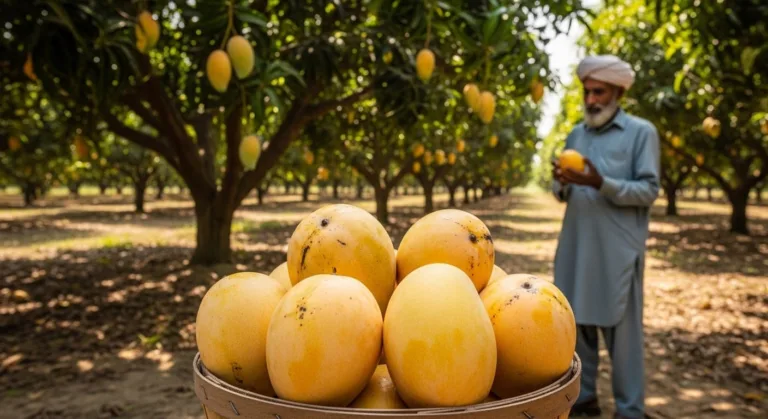
Chaunsa is known for its distinctive perfume-like fragrance, smooth pulp, and perfectly balanced sweetness Constructwithark. When these mangoes ripen, they fill an entire room with their tropical aroma. It’s like nature’s air freshener, but way better! The skin turns from greenish-yellow to a beautiful golden color, sometimes with a slight pinkish blush, letting you know it’s ready to eat.
But the real magic happens when you cut one open. The flesh is soft and melts in your mouth like ice cream on a hot day Multan Farms. It’s creamy, almost buttery in texture, with very little fiber. You know how some mangoes have those annoying stringy bits that get stuck in your teeth? Chaunsa doesn’t have that problem. It’s smooth sailing all the way.
The sweetness level is just right too. It’s not so sweet that it makes your teeth hurt, but sweet enough that you’ll want another one immediately after finishing the first. There’s a perfect balance of sweetness and that slightly tangy flavor, like eating sunshine mixed with a hint of tropical paradise Multan Farms.
The Chaunsa Family Tree
Here’s something interesting. Chaunsa isn’t just one type of mango. It’s actually a family! There are four known types of Chaunsa mangoes: Summer Chaunsa (also called Mosami or Summer Bahisht), Black Chaunsa (Kala), White Chaunsa (Safaid), and Azeem Chaunsa Wikipedia.
Summer Chaunsa arrives earlier in the season (around early July) and is perfect for people who can’t wait to start their mango celebrations. Black Chaunsa has a slightly darker skin and is super sweet, though it has a bit more fiber than its cousins. White Chaunsa, sometimes called Nawab Puri, has lighter flesh and a longer shelf life, which makes it great for exporting to other countries. Think of it as the traveler of the family! Azeem Chaunsa is smaller in size but lasts the longest without spoiling.
Why the World Can’t Get Enough
Chaunsa is arguably the most exported and admired mango in Pakistan Constructwithark. It’s shipped to countries all over the Middle East, Europe, Canada, and even the United States. Before it was legally available in the U.S., some American Chaunsa fans would actually travel to Canada just to buy and taste this mango Wikipedia. Can you imagine loving a fruit so much that you’d cross international borders for it?
Part of what makes Chaunsa so exportable is its timing. The season runs from July to September Multan Farms, which is longer than many other varieties. This gives more people around the world a chance to experience it. Plus, certain types like White Chaunsa can survive the long journey to distant countries better than other varieties.
How Does It Compare to Other Famous Mangoes?
You might be wondering how Chaunsa stacks up against Pakistan’s other famous varieties. Let’s break it down:
Sindhri is often called the “Queen of Mangoes” and arrives earlier in the season (around May-June). It’s larger than Chaunsa, sometimes weighing over a pound! Sindhri is super smooth and creamy, but Chaunsa fans will tell you their favorite has more complexity in flavor.
Anwar Ratol is the tiny powerhouse of the mango world. Don’t let its small size fool you. It’s incredibly sweet and aromatic, like concentrated mango flavor in a tennis ball-sized package. However, it’s much harder to find and more expensive.
Langra stays green even when it’s ripe (which confuses a lot of people!). It has a more tangy-sweet flavor compared to Chaunsa’s honey-like sweetness.
Dussehri is medium-sized with a beautiful golden color. It’s wonderfully sweet with just a touch of sourness, kind of like the perfect lemonade.
Each variety has its fans, but Chaunsa is probably the most popular mango variety in Pakistan, loved by millions of people Multan Farms. It’s become the people’s champion because it delivers on all fronts: amazing taste, incredible smell, perfect texture, and wide availability.
More Than Just a Fruit
In Pakistan, mangoes aren’t just something you buy at the grocery store. They’re a celebration! When mango season arrives, especially Chaunsa season, it becomes a cultural event. Families gather specifically to enjoy fresh mangoes together. Markets overflow with colorful displays. Everyone has strong opinions about which variety tastes best, and friendly debates break out all the time.
Chaunsa mangoes have higher vitamin C content than other mango cultivars Wikipedia, which means they’re not just delicious but also super nutritious. They’re packed with vitamins, antioxidants, and natural sugars that give you energy. It’s like eating candy that’s actually good for you!
For many people living abroad, getting a box of Pakistani Chaunsa mangoes in the summer is like receiving a taste of home. The smell alone can transport them back to childhood memories of eating mangoes with their families, juice dripping everywhere, not caring about making a mess because the fruit was just too good to eat carefully.
A Mango Worth Celebrating
So why is Chaunsa the most famous mango in Pakistan? It’s not just one thing, it’s everything working together perfectly. The incredible aroma that fills a room, the creamy texture that melts in your mouth, the balanced sweetness that keeps you coming back for more, the longer season that gives people more time to enjoy it, and the fact that it travels well enough to reach mango lovers around the world.
From the farms of Multan to dinner tables in Dubai, London, and New York, Chaunsa has earned its reputation as Pakistan’s mango ambassador. It represents the perfect combination of ideal growing conditions, generations of farming expertise, and nature’s gift of creating something truly special.
Next time you bite into a mango, think about all the sunshine, care, and natural magic that went into making it. And if you ever get the chance to try a fresh Chaunsa during peak season, don’t pass it up. You’ll understand why people call it liquid gold.
Now here’s something to think about: If you could only eat one variety of mango for the rest of your life, would you choose Chaunsa, or would you pick a different variety to keep things interesting?