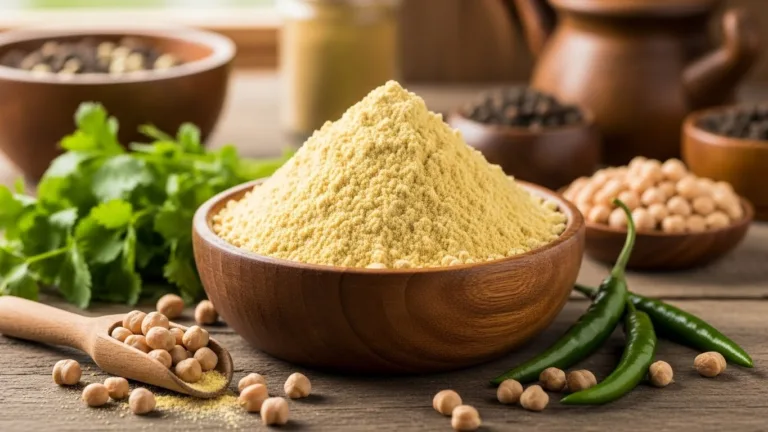
Have you ever noticed a pale yellow powder in your kitchen pantry and wondered what it’s used for? If your family cooks South Asian or Middle Eastern food, chances are you’ve seen gram flour, even if you didn’t know what it was called. This golden powder might look simple, but it’s actually one of the most versatile and nutritious ingredients used in cooking around the world!
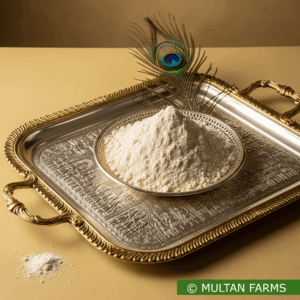
Gram flour goes by many names, besan, chickpea flour, garbanzo bean flour, and it’s made by grinding dried chickpeas into a fine powder. Think of it like turning coffee beans into coffee grounds, except instead of making a drink, you’re creating a super-ingredient that can be used in everything from pancakes to face masks. Yes, you read that right, face masks!
In this article, we’ll explore the fascinating world of gram flour and discover why it’s been a kitchen staple for thousands of years. You’ll learn where it comes from, what makes it so healthy, and all the surprising ways people use it. By the end, you might just see this humble flour in a whole new light!
Where Does Gram Flour Actually Come From?
Gram flour starts its journey as chickpeas, also called garbanzo beans or gram. These small, round legumes have been grown for over 7,000 years, making them one of the oldest cultivated crops in human history! Chickpeas originated in the Middle East and spread to India, the Mediterranean, and eventually around the entire world. Today, countries like India, Pakistan, Turkey, and Australia are major chickpea producers.
The process of making gram flour is surprisingly simple. Farmers harvest chickpeas when they’re fully mature and dried on the plant. These dried chickpeas are then cleaned and ground into a fine powder using special mills. The result is a smooth, pale yellow flour that smells slightly nutty and earthy. At Multanfarms.com, we understand the importance of quality ingredients, which is why sourcing premium chickpeas is essential for producing the best gram flour.
What’s really cool is that there are actually two main types of chickpeas used for making flour: desi chickpeas (smaller, darker, and more common in South Asia) and kabuli chickpeas (larger, lighter, and popular in Mediterranean countries). Both types make excellent flour, though desi chickpeas tend to produce a slightly more flavorful and nutrient-rich product.
Why Is Gram Flour Considered a Superfood?
If flour could win awards, gram flour would definitely take home the trophy for nutrition! Unlike regular wheat flour, which is mostly carbohydrates, gram flour is packed with protein and fiber. In fact, it contains about 20-25% protein, which is way higher than most other flours. This makes it especially valuable for people who don’t eat meat or are looking for plant-based protein sources.
Here’s an easy way to understand why this matters: your body needs protein to build and repair muscles, just like a construction crew needs bricks to build a house. Gram flour provides those “bricks” in a form that’s easy for your body to use. Plus, the fiber in gram flour helps your digestive system work smoothly and keeps you feeling full longer, which is why foods made with gram flour can be more satisfying than those made with regular flour.
Gram flour is also naturally gluten-free, which means people with celiac disease or gluten sensitivity can enjoy it without any problems. Gluten is a protein found in wheat, barley, and rye that some people’s bodies can’t process properly. Gram flour offers a safe and nutritious alternative for these folks. Additionally, it’s loaded with important minerals like iron, magnesium, and folate, plus vitamins like B6. Think of it as a multivitamin in flour form!
How Do People Use Gram Flour in Cooking?
This is where gram flour really shines! In Indian and Pakistani cooking, gram flour is absolutely essential. It’s used to make pakoras (crispy fried vegetable fritters), dhokla (a spongy steamed cake), and besan chilla (savory pancakes). These dishes are super popular street foods and home-cooked favorites. The flour acts as a binder and creates a light, crispy coating when fried, kind of like how breadcrumbs work in Western cooking.
In Middle Eastern cuisine, gram flour is used to make falafel (though some recipes use whole chickpeas instead) and to thicken stews and soups. Italian cooks use it to make farinata, a thin flatbread similar to a crepe, and in France, a similar dish called socca is hugely popular in Nice. It’s amazing how one ingredient shows up in so many different cultures!
But gram flour isn’t just for traditional recipes. Modern cooks are getting creative with it too! You can use it to make gluten-free pasta, pizza dough, and even desserts. It works great as an egg substitute in vegan baking, mix it with water to create a binding agent that holds ingredients together just like eggs do. Some people even use it to make healthy versions of cookies and brownies. The slightly nutty flavor adds an interesting twist to familiar recipes.
Here’s a fun fact: in many South Asian households, gram flour is mixed with yogurt and spices to make a thick batter for coating vegetables or meat before frying. This creates an incredibly crispy coating that’s way tastier (and healthier) than regular flour coatings!
Can Gram Flour Really Be Used for Beauty Treatments?
Believe it or not, gram flour has been used for skin and hair care for centuries! In India and Pakistan, it’s considered a traditional beauty secret that grandmothers pass down to their daughters and granddaughters. The flour contains natural cleansing properties and works as a gentle exfoliant, which means it helps remove dead skin cells and dirt without harsh chemicals.
One popular beauty treatment is called a ubtan, which is a paste made from gram flour, turmeric, yogurt, and sometimes honey or rosewater. People apply this mixture to their face and body, let it dry for about 15-20 minutes, then wash it off. The result? Softer, smoother, more glowing skin! It’s like a spa treatment you can make in your own kitchen.
Gram flour is also used as a natural shampoo alternative. When mixed with water to form a paste, it can clean hair by absorbing excess oil and dirt. Some people use it to remove unwanted body or facial hair by making a thick paste and rubbing it in circular motions. While these beauty treatments might sound unusual to some, millions of people swear by them and have been using gram flour this way for generations.
The science behind these beauty uses actually makes sense. Gram flour contains zinc, which helps with skin repair, and saponins, which are natural cleansing agents that create a slight lather when mixed with water. It’s gentle enough for sensitive skin but effective enough to make a real difference.
What Makes Gram Flour Different from Other Flours?
If you’re used to baking with regular all-purpose flour, gram flour will feel quite different! First off, it has a much stronger flavor. Regular wheat flour tastes pretty neutral, but gram flour has a distinct, slightly earthy and nutty taste that you’ll notice right away. Some people love this flavor, while others need to get used to it. The key is using it in recipes where the flavor makes sense.
The texture is different too. Gram flour is denser than wheat flour, which means you can’t just swap it cup-for-cup in regular recipes and expect the same results. It also doesn’t contain gluten, the protein that makes bread dough stretchy and helps cakes rise. This means baked goods made entirely with gram flour will be more crumbly and dense. However, this isn’t necessarily bad, it’s just different! Many traditional recipes are specifically designed to work with gram flour’s unique properties.
Another cool difference is that gram flour can be eaten raw (though it tastes better cooked). Regular wheat flour needs to be cooked to be safe to eat and digestible, but gram flour is safe in its raw state. That said, cooking it definitely improves the flavor and removes any raw bean taste. When you heat gram flour, it develops a rich, toasted flavor that’s absolutely delicious.
Here’s something to remember: because gram flour is so nutrient-dense and high in protein and fiber, foods made with it tend to be more filling. A small chickpea flour pancake might keep you satisfied longer than a larger regular flour pancake. It’s like the difference between eating candy (quick energy that doesn’t last) and eating peanut butter (sustained energy that keeps you going).
How Is Gram Flour Grown and Produced at Quality Farms?
Understanding where your food comes from makes it even more interesting! At farms like Multanfarms.com, growing chickpeas for gram flour involves careful planning and sustainable practices. Chickpeas are cool-season crops, which means they’re typically planted in fall or early spring and prefer moderate temperatures. They don’t like extreme heat or cold, kind of like Goldilocks preferring her porridge “just right.”
One amazing thing about chickpeas is that they’re actually good for the soil! They belong to a family of plants called legumes that can take nitrogen from the air and convert it into a form that enriches the soil. This is called nitrogen fixation, and it’s like having natural fertilizer built right into the plant. This means farmers need to use less synthetic fertilizer, which is better for the environment and keeps costs down.
After the chickpeas are harvested and dried, they go through a quality control process. The best chickpeas are selected, cleaned to remove any dirt or debris, and then ground in specialized mills. The grinding process is important because the flour needs to be fine and uniform. Quality producers check the flour’s color, texture, and moisture content to ensure it meets high standards.
Modern technology has made gram flour production more efficient, but the basic process hasn’t changed much over thousands of years. That’s pretty remarkable when you think about it!
Bringing It All Together
From ancient fields to modern kitchens, gram flour has proven itself to be way more than just another powder in your pantry. It’s a nutritional powerhouse, a versatile cooking ingredient, a natural beauty product, and a sustainable crop all rolled into one. Whether you’re making crispy pakoras for a family gathering, trying out a gluten-free recipe, or experimenting with a homemade face mask, gram flour has got you covered.
The next time you see that pale yellow flour at the grocery store or in your kitchen, you’ll know exactly what makes it so special. At Multanfarms.com, we’re proud to support the cultivation and distribution of high-quality ingredients like chickpeas that make products like gram flour possible. Understanding where our food comes from and what makes it unique helps us make better choices and appreciate the amazing variety of foods available to us.
So here’s a challenge for you: why not try cooking something with gram flour this week? Maybe you could ask a parent or guardian to help you make chickpea flour pancakes for breakfast or crispy pakoras for a snack. Who knows, you might discover your new favorite food!