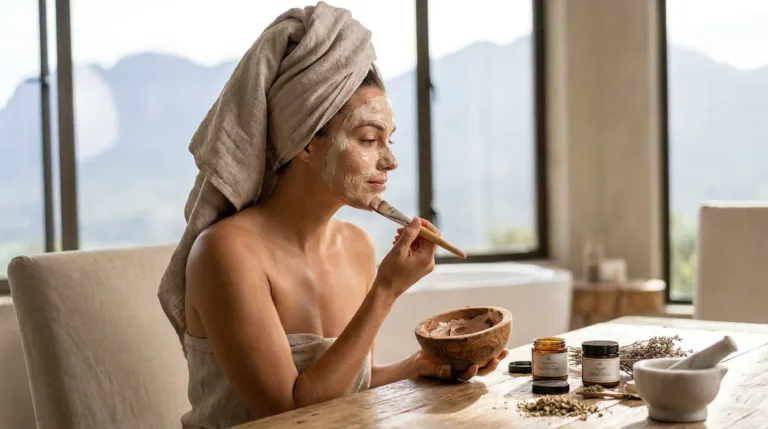
Have you ever squeezed a handful of smooth, cool mud between your fingers and felt how satisfying it was? Now imagine that same mud, but packed with minerals from some of the highest mountains on Earth, and designed to make your skin healthier and more radiant. That’s basically what a Himalayan clay mask is all about! But before you think this is just fancy dirt people smear on their faces, let me tell you, there’s some serious science and ancient wisdom behind this beauty secret.
For thousands of years, people living near the Himalayan mountains discovered that certain types of clay found in that region had amazing properties. When they mixed this clay with water and applied it to their skin, they noticed their complexion looked clearer, felt smoother, and seemed to glow with health. Fast forward to today, and Himalayan clay masks have become one of the most popular natural skincare treatments around the world!
So what’s the big deal about this mountain clay? Why do people get so excited about putting what looks like brown paste on their faces? And most importantly, could it actually help you deal with common skin issues like oily skin, acne, or dullness? Let’s dig into the fascinating world of Himalayan clay masks and discover what makes them truly special!
Where Does This Magical Clay Come From?
Let’s start our journey at the source. The Himalayan mountain range stretches across several countries, including Pakistan, India, Nepal, and Bhutan. These aren’t just any mountains, they’re the tallest peaks on the entire planet! Mount Everest calls this range home, along with many other massive peaks that touch the sky.
Himalayan clay forms over millions of years as ancient rocks break down through natural weathering. Rain, snow, wind, and temperature changes slowly grind massive boulders into smaller and smaller pieces until they become fine clay particles. Think of it like nature’s ultra-slow blender, taking something hard and rocky and turning it into something soft and powdery!
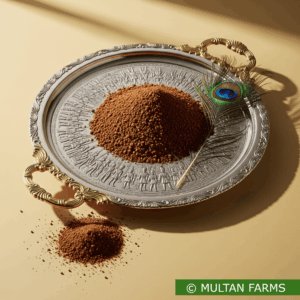
What makes this clay extra special is the unique mineral composition of the Himalayan rocks. These mountains contain minerals that aren’t commonly found together in other places. When the rocks break down, all those minerals become part of the clay. It’s like getting a natural vitamin cocktail for your skin! The clay typically has a pinkish, brown, or reddish color, depending on which specific minerals are most concentrated in that particular area.
The Science Behind Why Clay Works on Skin
Okay, so you might be thinking, “How can dirt possibly be good for my face?” That’s a fair question! Let’s break down the science in a way that actually makes sense.
Clay has a special property called absorption, which means it can soak up liquids and oils like a super-powered sponge. When you apply a clay mask to your skin, it starts pulling excess oil, dirt, and impurities out of your pores. Imagine your pores are like tiny drains that sometimes get clogged with gunk. The clay mask acts like a plumber, helping to clear out that buildup!
But there’s more to it than just absorption. Himalayan clay also contains minerals like magnesium, calcium, iron, and potassium. These minerals can be beneficial for your skin in different ways. Magnesium, for example, can help calm irritated skin, while iron helps bring oxygen to your skin cells. It’s similar to how eating vegetables gives your body important nutrients, except your skin is getting nutrients from the outside!
Another cool thing about clay masks is that as they dry on your face, they create a gentle tightening sensation. This isn’t just for show, it’s actually helping to temporarily tighten your pores and stimulate blood flow to your skin’s surface. Better blood flow means more nutrients and oxygen reaching your skin cells, which can give you that healthy, rosy glow people always talk about.
What Problems Can a Himalayan Clay Mask Help With?
Now let’s get practical. What can you actually expect a Himalayan clay mask to do for your skin? Here are some common issues it can help address:
Oily skin is probably the number one reason people reach for clay masks. If your face tends to look shiny by lunchtime or your makeup slides off easily, you might have overactive oil glands. A clay mask can help absorb that excess oil and balance things out. It’s like using a paper towel to blot up a spill, but way more effective and with added benefits!
Acne and breakouts often happen when pores get clogged with oil, dead skin cells, and bacteria. Clay masks help by deep-cleaning your pores and removing the stuff that causes breakouts. Some people notice their skin looks clearer after using clay masks regularly. However, it’s not a miracle cure, if you have serious acne, you should definitely talk to a dermatologist.
Dull, tired-looking skin can benefit from the exfoliating properties of clay. As the mask dries and you wash it off, it gently removes dead skin cells from the surface. This reveals the fresher, brighter skin underneath. Think of it like dusting off a mirror, once you remove the layer of dust, everything looks clearer and shinier!
Large pores can appear smaller after using clay masks regularly. While you can’t actually shrink your pores permanently (they’re not muscles!), you can make them appear smaller by keeping them clean and minimizing the stretching that happens when they’re clogged with gunk.
How to Use a Himalayan Clay Mask Properly
Using a clay mask isn’t complicated, but there are some tips that can help you get better results. Let’s walk through the process step by step so you don’t make common beginner mistakes!
First, always start with clean skin. Wash your face with your regular cleanser to remove surface dirt, makeup, and oil. It’s like washing a window before polishing it, you want to start with a clean base. Pat your skin dry with a clean towel, but leave it slightly damp. The moisture helps the mask spread more easily.
Next, mix your clay powder with water (or other liquids like rose water or apple cider vinegar) until it forms a smooth paste. The consistency should be like pancake batter, not too thick and not too runny. If it’s too thick, add more liquid. If it’s too thin, add more clay powder. Apply the mixture evenly to your face using clean fingers or a brush, avoiding the delicate eye area and your lips.
Here’s a super important tip that many people get wrong: don’t let the mask dry completely! Many people think you should leave it on until it’s bone dry and cracking, but that can actually be too harsh and drying for your skin. Instead, leave it on for about 10-15 minutes, just until it starts to dry but still feels slightly damp. Then rinse it off with lukewarm water using gentle circular motions.
The Connection to Multani Mitti
Here’s something interesting: in South Asian countries like Pakistan and India, people have been using a type of clay called Multani mitti (also known as Fuller’s Earth) for centuries. While not exactly the same as Himalayan clay, it’s a close relative and shares many similar properties!
Multani mitti has been used for generations as a natural beauty treatment. Your grandmother or great-grandmother might have used it! This clay is particularly popular in places like Multan, Pakistan (which is actually where the name comes from). People discovered long ago that this local clay was amazing for skincare, and that knowledge has been passed down through families for generations.
The cool thing is that modern Himalayan clay masks are building on this ancient wisdom while combining it with current scientific understanding. It’s like taking your grandmother’s secret recipe and understanding exactly why each ingredient works the way it does. Both types of clay work through similar mechanisms, absorbing oil and delivering minerals to the skin.
Safety Tips and Things to Keep in Mind
Before you rush off to try a Himalayan clay mask, there are a few important safety things you should know. First and foremost, always do a patch test! This means testing a small amount of the mask on a less visible area (like behind your ear or on your inner wrist) before putting it all over your face. Wait 24 hours to see if any redness, itching, or irritation develops.
Some people have sensitive skin that doesn’t react well to clay masks. If you have very dry or sensitive skin, you might want to use clay masks less frequently, maybe once every two weeks instead of once a week. Pay attention to how your skin feels afterward. If it feels tight, uncomfortable, or looks red, the mask might be too strong for you.
Also, make sure you’re buying clay masks from reputable sources. Quality matters! Some products might contain additives or chemicals that aren’t great for your skin. Look for pure, natural clay without a bunch of ingredients you can’t pronounce. Reading reviews and checking where the product comes from can help you make smart choices.
Making Clay Masks Part of Your Routine
If you decide to incorporate Himalayan clay masks into your skincare routine, consistency is key. Using a mask once in a blue moon won’t give you dramatic results. Instead, try using it once or twice a week for several weeks to see the real benefits.
You can even make it a fun self-care ritual! Put on your favorite music, light a nice-smelling candle, and treat your mask time as a relaxing break from homework, social media, and daily stress. Taking care of your skin is important, but so is taking time to relax and do something nice for yourself.
Remember that clay masks are just one tool in your skincare toolbox. They work best when combined with other good habits like washing your face daily, drinking plenty of water, eating healthy foods, and getting enough sleep. Your skin is your body’s largest organ, and it reflects your overall health!
The Final Scoop on Himalayan Clay
So there you have it! Himalayan clay masks aren’t just some trendy beauty fad, they’re based on centuries of traditional use and backed by science. These natural clay treatments can help absorb excess oil, clean out pores, deliver beneficial minerals, and give your skin a healthy-looking glow. Whether you’re dealing with oily skin, occasional breakouts, or just want to try something new, a Himalayan clay mask might be worth exploring.
The best part? You’re connecting with an ancient beauty tradition that people have trusted for thousands of years, just updated with modern knowledge and convenience. Next time you see those towering Himalayan peaks in pictures, you’ll know that somewhere in those mountains, special clay is forming that could end up helping someone’s skin look and feel better. How cool is that?
Have you ever tried any natural beauty treatments like clay masks? What other secrets from nature do you think could be hiding right under our noses, waiting to be discovered or rediscovered?