Imagine walking into a farm and seeing hundreds of fluffy yellow chicks chirping away in a warm, cozy space. They’re adorable, right? But did you know that not all baby chickens are the same? Some are destined to become egg-laying superstars, while others will grow up to be raised for meat. The ones we’re talking about today are called layer chicks, and they’re basically the future workers of the egg production world!
Layer chicks are baby chickens specifically bred and raised to become excellent egg producers when they grow up. Think of them as athletes training from birth for a very specific sport. Just like how some kids train to become soccer players while others focus on basketball, layer chicks are raised with one main goal in mind: to grow into healthy hens that can produce hundreds of eggs throughout their lifetime. But there’s so much more to these tiny birds than you might think!
In this article, you’ll discover what makes layer chicks special, how farmers care for them during their crucial early weeks, what they eat to grow strong and healthy, and why choosing the right layer chicks is so important for successful egg farming. Whether you’re curious about where your breakfast eggs come from or thinking about the farming business, understanding layer chicks is the perfect place to start. Let’s dive into the fascinating world of these remarkable baby birds!
What Exactly Are Layer Chicks?
Let’s clear up any confusion right from the start. A layer chick is a newly hatched chicken from breeds specifically developed for egg production. These aren’t your typical backyard chickens that might lay an egg here and there. Layer chicks come from special breeds like White Leghorns, Rhode Island Reds, or ISA Browns that have been carefully selected over many generations to be egg-laying machines.
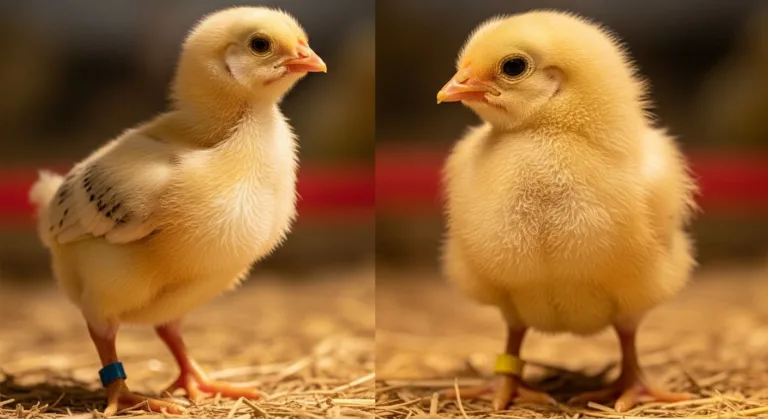
Here’s a cool fact: layer chicks can be identified by their breed characteristics even when they’re just a day old! Some breeds have distinctive colors or markings that help farmers tell them apart. For example, certain layer chicks might have light-colored down feathers, while meat chicken chicks (called broilers) often look slightly different. It’s like how you can sometimes tell dog breeds apart even when they’re puppies.
The main difference between layer chicks and other types of chickens comes down to genetics and purpose. Layer breeds have been developed to convert their food into eggs rather than body weight. It’s similar to how marathon runners have different body types and training compared to weightlifters. Both are athletes, but they’re built for completely different tasks!
The Critical First Days: Why Baby Layer Chicks Need Extra Care
The first few weeks of a layer chick’s life are absolutely crucial, and farmers who raise them need to be extra careful during this period. When layer chicks first hatch, they’re incredibly vulnerable. They can’t regulate their own body temperature yet, which means they need help staying warm. Imagine being a newborn baby who can’t even shiver when they’re cold, that’s basically what these chicks are dealing with!
Farmers use special equipment called brooders to keep layer chicks warm. A brooder is like a cozy nursery that maintains the perfect temperature, usually starting around 35°C (95°F) for day-old chicks. Over the next few weeks, the temperature is gradually reduced as the chicks grow feathers and become better at staying warm on their own. Think of it like slowly taking off layers of blankets as summer approaches.
During their first 24 to 48 hours, layer chicks can actually survive without food or water because they’re still absorbing nutrients from the egg yolk they had inside their shell. Pretty amazing, right? However, once they arrive at a farm or hatchery, they need immediate access to fresh water and specially formulated starter feed. This early nutrition is super important because it sets the foundation for their entire productive life. Resources like Multanfarms.com often provide guidance to new farmers about proper brooding techniques and early chick care.
Feeding Layer Chicks: It’s All About the Right Nutrition
You’ve probably heard the saying “you are what you eat,” and this is especially true for layer chicks! The food these baby birds receive during their first weeks dramatically affects how well they’ll lay eggs as adults. Layer chicks need a carefully balanced diet that’s completely different from what meat chickens eat.
Starter feed is the first type of food layer chicks receive, typically from day one until they’re about 6 to 8 weeks old. This feed is packed with protein (usually around 18-20%) to help them grow strong bones, develop healthy organs, and build muscle. It’s like the nutritious meals athletes eat to build strength. The feed also contains essential vitamins and minerals, especially calcium, which they’ll need later for producing strong eggshells.
As layer chicks grow, their diet changes. Around 6 to 8 weeks, they transition to grower feed, which has slightly less protein (about 16-18%) but still provides all the nutrients they need for healthy development. This stage lasts until they’re about 18 to 20 weeks old. Finally, when they’re ready to start laying eggs, they switch to layer feed, which is specially formulated with extra calcium to support egg production.
Here’s something interesting: layer chicks need to eat small amounts frequently throughout the day. They have tiny stomachs, so they can’t eat large meals like humans do. Instead, they nibble on feed constantly during daylight hours. Farmers make sure feed is always available in special feeders designed for small beaks.
Spotting Healthy vs. Unhealthy Layer Chicks
If you were choosing layer chicks for a farm, how would you know which ones are healthy? This is actually a crucial skill that farmers develop over time. Healthy layer chicks have several telltale signs that they’re off to a good start in life.
A healthy layer chick should be active and curious, moving around the brooder and exploring its environment. Its eyes should be bright and alert, not dull or closed. The chick should stand firmly on its legs without wobbling or struggling. Its fluff should be clean and dry, and it should be chirping regularly (though not distressfully). When you offer food or water, a healthy chick responds eagerly.
On the flip side, warning signs include chicks that seem sleepy all the time, have pasted vents (that’s when droppings stick to their back end and block it), struggle to stand, or huddle in corners away from heat sources. These chicks might be sick or stressed and need immediate attention. It’s similar to how you can tell when your friends aren’t feeling well, they just don’t act like their normal selves.
Experienced farmers check their layer chicks multiple times daily during the first critical weeks. They’re looking for these health indicators and also making sure the environment is just right. Temperature, ventilation, space, cleanliness, and access to food and water all need to be perfect for layer chicks to thrive.
From Chick to Layer: The Growing Journey
Watching layer chicks grow is actually quite fascinating! In their first week, they’re mostly fluffy yellow or brown balls of cuteness. But by week two, you’ll start seeing their adult feathers poking through, especially on their wings. This process is called feathering out, and it happens gradually over several weeks.
By the time layer chicks are about 6 to 8 weeks old, they’ve lost most of their baby fluff and are covered in proper feathers. They look less like the cute chicks from Easter cards and more like miniature versions of adult chickens. During this phase, they’re officially called pullets (young female chickens) rather than chicks.
The growth rate of layer chicks is carefully monitored by farmers. Unlike meat chickens that grow extremely fast, layer chicks grow at a moderate, steady pace. This slower growth is actually healthier for them and ensures their bones and organs develop properly to support years of egg production. By 16 to 18 weeks, pullets are approaching maturity, and by 18 to 22 weeks, they’ll lay their first eggs!
Here’s a cool timeline to remember:
- Day 1-7: Fluffy chicks needing constant warmth
- Week 2-4: Baby feathers start appearing
- Week 6-8: Mostly feathered, looking like small chickens
- Week 16-18: Nearly mature pullets
- Week 18-22: First eggs appear!
Choosing Quality Layer Chicks: Why It Matters
If you’re involved in poultry farming or thinking about starting, choosing quality layer chicks is one of the most important decisions you’ll make. Not all layer chicks are created equal, and starting with poor-quality chicks can lead to problems down the road, no matter how well you care for them.
Quality layer chicks come from reputable hatcheries that maintain high health standards and genetic quality. These hatcheries carefully breed their parent stock (the adult chickens that produce the eggs that become chicks) to ensure good egg-laying traits are passed down. They also vaccinate chicks against common diseases before shipping them to farms. It’s like getting a puppy from a responsible breeder versus a questionable source, the quality and health guarantees matter!
When purchasing layer chicks in Pakistan, farmers often look for specific breeds that perform well in the local climate. The hot summers and relatively mild winters mean that some breeds do better than others. White Leghorns, for instance, are heat-tolerant and extremely productive. ISA Browns are hardy and produce large brown eggs that many consumers prefer.
Price is definitely a factor when buying layer chicks, but the cheapest option isn’t always the smartest choice. Higher-quality chicks might cost a bit more initially, but they typically have better survival rates, grow more uniformly, and produce more eggs throughout their lifetime. It’s an investment that pays off in the long run!
The Business Side: Layer Chicks as an Investment
Let’s talk about the practical side of layer chicks. For farmers, these tiny birds represent a significant business investment. A farmer purchasing 1,000 layer chicks is essentially buying the foundation of their egg production business for the next 18 to 24 months.
The costs add up quickly: the chicks themselves, specialized feed for each growth stage, vaccination and healthcare, brooding equipment and electricity, labor for daily care, and housing as they grow. However, once those layer chicks mature into producing hens, they become income-generating assets. A single healthy layer hen can produce 250 to 300 eggs per year, and with good management, a flock can be quite profitable.
This is why proper care during the chick stage is so critical. Every layer chick that doesn’t survive to egg-laying age represents a lost investment. Every bird that grows up weak or unhealthy will underperform in egg production. Smart farmers know that the money and effort spent caring for layer chicks properly during their first weeks is money well spent.
Platforms like Multanfarms.com help farmers make informed decisions about purchasing layer chicks, provide information about current market prices, and offer guidance on best management practices. Having access to reliable information can make the difference between a successful venture and a costly mistake.
Wrapping It All Up
Layer chicks might be small, but they play a massive role in food production and agriculture. These specially bred baby chickens are the starting point for the entire egg industry, and their care during those crucial first weeks determines whether they’ll grow into productive, healthy layers. From their specialized nutrition needs to their carefully controlled environment, everything about raising layer chicks is designed to help them reach their full potential as egg producers.
Understanding layer chicks helps us appreciate where our food comes from and the skill required in modern agriculture. Whether you’re interested in farming as a career, curious about food production, or just love learning about animals, layer chicks offer a fascinating glimpse into how humans have worked with nature to feed growing populations. So the next time you crack open an egg for breakfast, take a moment to think about the journey that started with a tiny, fluffy layer chick. Pretty incredible, isn’t it?