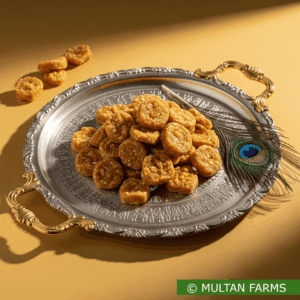
Have you ever bitten into a warm piece of cornbread or enjoyed crispy corn tortillas? If so, you’ve already tasted the magic of makai ka atta! In case you’re wondering what that is, “makai ka atta” is simply the Urdu term for cornmeal or corn flour. It’s the golden powder you get when corn kernels are ground up into a fine texture that you can use for cooking.
Now, you might be thinking, “Why should I care about corn flour?” Well, here’s the thing: this humble ingredient has been feeding people around the world for thousands of years, and it’s making a big comeback in Pakistani kitchens. From traditional makki ki roti to modern gluten-free recipes, makai ka atta is way more versatile and nutritious than most people realize.
Whether you’re curious about healthy eating, interested in traditional foods, or just love learning about what goes into your meals, you’re about to discover why makai ka atta deserves a spot in every kitchen. Let’s explore what makes this golden powder so special and why farms like MultanFarms.com are helping bring fresh, quality corn products to families across Pakistan!
What Exactly Is Makai Ka Atta?
Let’s start with the basics. Makai ka atta comes from corn, which is one of the oldest crops humans have ever grown. Scientists believe people started farming corn about 10,000 years ago in Mexico! When you take dried corn kernels and grind them into a fine powder, you get makai ka atta.
But here’s where it gets interesting: not all makai ka atta is the same. There are different types depending on how finely the corn is ground and what part of the kernel is used. Some corn flour is super fine and silky, perfect for baking delicate items. Other types are coarser, more like what we’d call cornmeal, and these are ideal for making things like makki ki roti, that delicious flatbread that’s popular in Punjab during winter.
Think of it like sand on a beach. You’ve got fine sand that’s smooth and soft, and you’ve got coarser sand with bigger grains. Both are still sand, but they feel different and work better for different purposes. The same goes for makai ka atta! The corn used to make it can be yellow, white, or even blue, though yellow is the most common type you’ll find in Pakistan.
Why Makai Ka Atta Is a Nutritional Powerhouse
Okay, let’s talk about why makai ka atta is actually really good for you. This isn’t just another ingredient, it’s packed with nutrients that your growing body needs!
First up, makai ka atta is loaded with fiber. Fiber is like a broom for your digestive system, it helps sweep things through and keeps everything running smoothly. A single serving of corn flour has way more fiber than regular wheat flour. This means it keeps you feeling full longer and helps prevent that “I’m hungry again already” feeling you get after eating some foods.
It’s also rich in vitamins and minerals. We’re talking about B vitamins that help your body turn food into energy (super important when you’ve got a big test or sports practice!), vitamin A for healthy eyes and skin, and minerals like magnesium and phosphorus that keep your bones strong. Imagine your body is like a complex machine, these nutrients are the premium fuel that keeps everything working at its best.
Here’s something really cool: makai ka atta is naturally gluten-free. Gluten is a protein found in wheat, barley, and rye that some people can’t digest properly. For those folks, makai ka atta is like finding a treasure chest of possibilities! They can still enjoy breads, rotis, and baked goods without getting sick. Even if you don’t have gluten issues, mixing up your grain intake is a smart move for overall health.
The Traditional Pakistani Way to Enjoy It
In Pakistan, especially in Punjab, makai ka atta has a special place in food culture. During the cold winter months, there’s nothing quite like makki ki roti with sarson ka saag (mustard greens). It’s like the ultimate comfort food combo that warms you up from the inside out!
Making makki ki roti is actually a bit of an art form. Unlike wheat flour, corn flour doesn’t have gluten, which means the dough doesn’t stick together easily. It’s like trying to build a sandcastle with dry sand instead of wet sand, it takes skill! That’s why you’ll often see experienced cooks pat the roti between their hands or use a cloth to shape it. The finished product is thick, slightly crispy on the outside, and has this amazing earthy corn flavor that just tastes like tradition.
But makki ki roti isn’t the only way Pakistanis use this ingredient. Some people make makai ki khichdi, a comforting porridge-like dish that’s perfect for breakfast. Others use it to make a sweet treat called makai ka halwa, which is basically like a corn-based pudding. At MultanFarms.com, we love seeing how creative people get with fresh corn flour, turning this simple ingredient into family favorites!
Modern Ways to Use Makai Ka Atta
While traditional recipes are awesome, makai ka atta is also perfect for all sorts of modern cooking. Let’s explore some cool ways people are using it today!
Gluten-free baking is huge right now, and makai ka atta is a star ingredient. You can use it to make muffins, pancakes, and even pizza crusts! The trick is often mixing it with other gluten-free flours to get the right texture. Think of it like assembling a team, each flour brings different strengths to the table, and together they create something amazing.
Coating for fried foods is another great use. Instead of using regular flour or breadcrumbs, try makai ka atta! It creates this incredibly crispy, crunchy coating on chicken, fish, or vegetables. When you bite into something coated with corn flour, you get that satisfying crunch that makes fried food so irresistible. It’s like the difference between a soggy chip and a perfectly crispy one.
Some people even use makai ka atta as a thickening agent for soups and gravies. When you stir a bit of corn flour mixed with water into a soup, it makes it creamier and more substantial. It’s like adding body to the dish without changing the flavor much. Pretty clever, right?
How to Pick and Store Quality Makai Ka Atta
Not all corn flour is created equal, so let’s talk about how to choose good quality makai ka atta and keep it fresh!
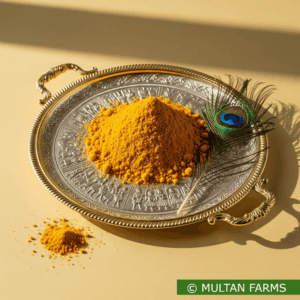
When you’re shopping for corn flour, color and smell are your first clues. Good quality makai ka atta should have a bright, golden-yellow color (unless it’s made from white corn, which would be pale). It should smell fresh and slightly sweet, kind of like fresh corn on the cob. If it smells musty or looks dull and grayish, that’s a red flag that it’s old or hasn’t been stored properly.
Check the texture by rubbing a pinch between your fingers. It should feel fine and uniform, not lumpy or clumpy. Clumps might mean moisture got in, which can lead to mold or spoilage. Think of it like checking flour for baking, you want it to be smooth and free-flowing.
When it comes to storage, treat makai ka atta with care. Keep it in an airtight container in a cool, dry place, away from direct sunlight. Some people even store it in the refrigerator or freezer to keep it fresh longer, especially in hot, humid climates like many parts of Pakistan. Fresh corn flour from sources like MultanFarms.com will have the best flavor and nutrition, so using it within a few months of purchase is ideal.
The Farm-to-Table Journey
Ever wondered how corn goes from a field to the flour in your kitchen? It’s actually a pretty interesting journey!
It all starts with growing the corn. Farmers plant corn seeds in the spring, and the plants grow tall throughout the summer, reaching heights of 6 to 10 feet! Each corn plant produces one to two ears of corn, and each ear is packed with hundreds of kernels. When the kernels are fully mature and have dried out a bit, it’s time for harvest.
After harvesting, the corn goes through a drying process to remove even more moisture. This is super important because moisture can cause the corn to rot or get moldy. Once the kernels are properly dried, they’re ready for milling. The milling process is where the magic happens, the dried kernels are ground between stones or metal rollers until they turn into the fine powder we know as makai ka atta.
Quality farms like MultanFarms.com take extra care during every step of this process. From choosing the best corn varieties to ensuring proper drying and milling, every detail matters. It’s like the difference between a rushed homework assignment and one where you took your time and did your best work, the quality really shows!
Why Should You Care About Makai Ka Atta?
So, why does all this matter to you? Well, understanding ingredients like makai ka atta helps you make smarter choices about what you eat. In a world full of processed foods and confusing nutrition labels, knowing about simple, wholesome ingredients puts you in control.
Makai ka atta connects us to food traditions that have been around for thousands of years while also fitting perfectly into modern, health-conscious eating. It’s nutritious, versatile, and when sourced from quality producers, it supports local farmers and sustainable agriculture. That’s a pretty awesome combination!
Plus, learning to cook with different ingredients makes you more creative in the kitchen. Maybe you’ll be the one who invents the next amazing recipe using makai ka atta! Food is one of those things that brings people together, and knowing about ingredients helps you appreciate the meals you share with family and friends even more.
Next time you see that bag of golden corn flour in your kitchen or at the store, you’ll know it’s not just another ingredient. It’s a nutritional powerhouse with an incredible history and endless possibilities. So, are you ready to give makai ka atta a try in your next cooking adventure? What dish will you make first?