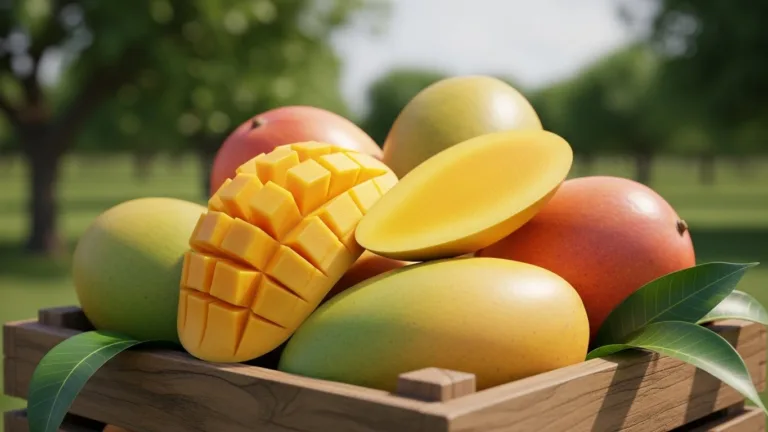
Close your eyes and imagine biting into the juiciest, sweetest fruit you’ve ever tasted. The golden flesh melts in your mouth, and the flavor is so incredible that you can’t help but smile. That’s the experience of eating a famous Pakistani mango! Pakistan isn’t just any country when it comes to mangoes. It’s actually one of the world’s top mango producers, and people from all over the globe go crazy for these tropical treats. But what makes Pakistani mangoes so special, and which varieties have earned legendary status?
Pakistan grows over 200 different types of mangoes, but a few special ones have become superstars in the fruit world. These mangoes are so famous that people are willing to pay premium prices just to get their hands on them. From the bustling markets of Multan to fancy fruit shops in London and Dubai, Pakistani mangoes have created a reputation that’s hard to beat. Let’s dive into the world of Pakistan’s most celebrated mangoes and discover what makes each one unique!
The King of All Mangoes: Chaunsa
If Pakistani mangoes had royalty, Chaunsa would definitely wear the crown. This variety is so popular that it’s become the face of Pakistani mangoes worldwide. Named after the city of Chaunsa in southern Punjab, this mango has a fascinating history. Legend says it got its name from Sher Shah Suri, a 16th-century ruler who loved this mango so much that he named it after a battle he won!
What makes Chaunsa so special? First, it’s incredibly sweet with a honey-like flavor that’s hard to describe until you taste it. The flesh is smooth, fiberless, and has this amazing golden-yellow color that looks as good as it tastes. When you pick up a ripe Chaunsa, it feels heavy in your hand because it’s packed with juice. One bite, and you’ll understand why people wait all year for Chaunsa season, which typically runs from July to September.
Chaunsa mangoes come in different varieties too, including the white Chaunsa and the late-season one. Farmers in areas like Multan and Rahim Yar Khan have perfected growing this variety over generations. They know exactly when to water the trees, how to protect the fruit from pests, and the perfect moment to harvest. It’s this expertise that makes Chaunsa mangoes from places like Multanfarms.com so consistently delicious.
The Aromatic Wonder: Anwar Ratol
Have you ever walked into a room and immediately known someone was cutting mangoes just by the smell? That’s the power of Anwar Ratol! This small but mighty mango is famous for its incredible fragrance that can fill an entire house. Originating from the village of Ratol near Lahore, this mango might be small in size, but it’s huge in flavor.
Anwar Ratol mangoes are typically smaller than other varieties, about the size of your fist, but don’t let that fool you. What they lack in size, they make up for in sweetness and aroma. The flesh is bright orange, super soft, and has minimal fiber. Think of it like the difference between a regular chocolate chip cookie and a gourmet one from a fancy bakery. Both are cookies, but one just hits different!
This variety ripens in early summer, usually starting in June. It’s often the first premium mango of the season, which makes people extra excited when it arrives. Families in Pakistan have a tradition of sharing Anwar Ratol mangoes with friends and relatives because they’re considered a special treat. The mango is so delicate that it needs to be handled carefully during shipping, which is why getting fresh Anwar Ratol from trusted sources is important.
The Export Champion: Sindhri
If you’ve ever seen Pakistani mangoes in a store outside of Pakistan, there’s a good chance they were Sindhri mangoes. This variety has become the country’s export superstar because it travels well and stays fresh longer than many other types. Sindhri mangoes come from the Sindh province, particularly the areas around Mirpur Khas, which is sometimes called the “Mango City” of Pakistan.
What makes Sindhri different from its cousins? For starters, it has a longer shelf life, which means it can survive the journey from Pakistani farms to stores in other countries without losing its quality. The mango itself is large, sometimes weighing as much as a pound, with bright yellow skin that turns slightly reddish when fully ripe. The taste is perfectly balanced, not too sweet and not too tangy, with just the right amount of tropical flavor.
Sindhri season usually starts in June and lasts through July. During this time, farmers work around the clock to harvest and pack these mangoes for both local markets and international buyers. The process requires careful timing because picking the mangoes too early means they won’t develop their full flavor, but waiting too long can make them overripe for shipping.
The Heritage Variety: Langra
Langra mango has a funny name that literally means “limping” in Urdu, but there’s nothing funny about its amazing taste! This variety got its unusual name from a story about a person with a limp who first grew this mango tree in Varanasi, India, back in the 18th century. After the partition of India and Pakistan in 1947, the variety became popular in Pakistan, especially in northern regions.
What’s unique about Langra is that it stays greenish even when it’s perfectly ripe. Most people think mangoes need to turn yellow or red to be ready to eat, but Langra breaks that rule! This confuses some first-time buyers who think the green mangoes aren’t ripe yet. The trick is to gently squeeze the mango. If it gives a little and smells sweet, it’s ready to enjoy.
Langra has a distinct sweet and slightly tangy flavor that makes it perfect for making mango shakes, smoothies, or even eating fresh. The flesh is smooth, juicy, and has minimal fiber, which means no annoying strings getting stuck in your teeth! This variety typically arrives in markets during July and August, giving mango lovers something to look forward to in mid-summer.
The Premium Delight: Dusehri
Dusehri mangoes are like the sophisticated older sibling in the Pakistani mango family. Originally from the town of Dusehri near Lucknow, this variety has found a perfect home in Pakistan’s climate, especially in the regions around Multan. It’s medium-sized, with a beautiful golden-yellow color and an oval shape that makes it instantly recognizable.
The flavor profile of Dusehri is what makes it stand out. It’s sweet but not overwhelmingly so, with a subtle fragrance that’s pleasant without being overpowering. Think of it as the vanilla ice cream of mangoes, a classic that never goes out of style. The flesh is smooth, creamy, and fiberless, making it a favorite for people who want to enjoy mangoes without any mess or hassle.
What’s really cool about Dusehri is its versatility. You can eat it fresh, use it in desserts, make it into juice, or even cook with it. Some people love to make mango lassi (a yogurt-based drink) with Dusehri because its balanced sweetness doesn’t overpower the other ingredients. The mango season for Dusehri runs from June through July, perfectly timed with summer vacations when families have more time to enjoy these tropical treats.
Why Location Matters: The Multan Magic
You might be wondering, why do so many famous Pakistani mangoes come from places like Multan? The answer lies in what farmers call the “golden triangle” of mango growing: perfect soil, ideal climate, and generations of expertise. Multan and surrounding areas in southern Punjab have a unique combination of hot summers, mild winters, and fertile soil that’s perfect for growing mangoes.
The temperature in these regions can get really hot during summer, sometimes reaching over 110°F (43°C)! While that might sound uncomfortable for us, mango trees love it. The intense heat helps the fruits develop their sugars, making them incredibly sweet. The soil in these areas is also rich in minerals from the nearby rivers, giving the mangoes better flavor and nutrition.
Farms like Multanfarms.com in these regions have become experts at growing premium mangoes. They use traditional farming wisdom passed down through families, combined with modern techniques to ensure the best quality fruit. From choosing the right fertilizers to knowing exactly when to irrigate, every step is carefully managed to produce mangoes that meet the high standards buyers expect.
From Farm to Table: The Journey of Pakistani Mangoes
Have you ever thought about how a mango travels from a tree in Pakistan to a store near you? The journey is pretty fascinating! It all starts with careful farming throughout the year. Mango trees need to be pruned, protected from diseases, and given just the right amount of water. Farmers watch their trees like parents watch their children, making sure everything is just right.
When the mangoes start to develop, farmers carefully monitor their growth. They might put paper bags over some mangoes to protect them from fruit flies and birds. As harvest time approaches, experienced workers check the mangoes daily, looking for signs they’re ready to pick. The timing has to be perfect because mangoes picked too early won’t taste good, and ones picked too late might spoil before reaching customers.
Once harvested, the mangoes go through a sorting process where workers carefully examine each one. They’re grouped by size, ripeness, and quality. The best ones are packed in special boxes with cushioning material to prevent bruising during transport. For international shipping, mangoes are often treated with special techniques to ensure they arrive fresh and delicious at their destination.
Why Pakistani Mangoes Rule the Mango World
So what’s the final verdict? Why have Pakistani mangoes earned such an incredible reputation globally? It comes down to a perfect combination of factors. The country’s climate creates ideal growing conditions, with hot summers and plenty of sunshine to develop the sugars that make mangoes sweet. The soil quality in major mango-growing regions provides the minerals and nutrients that contribute to exceptional flavor.
But perhaps most importantly, it’s the people. Pakistani farmers have been growing mangoes for centuries, and they’ve developed an almost magical understanding of what these trees need. They know which varieties grow best in which areas, when to water, how to protect against pests naturally, and the exact right moment to harvest. This knowledge, combined with genuine passion for producing the best fruit possible, makes all the difference.
Pakistani mangoes represent more than just a delicious fruit. They’re a source of national pride, an important export product, and a tradition that connects generations of families. Whether it’s the royal Chaunsa, the aromatic Anwar Ratol, or the reliable Sindhri, each variety tells a story of the land and people who grow them.
Your Mango Adventure Awaits
Now that you know about Pakistan’s famous mangoes, which one are you most excited to try? Will you go for the king of mangoes, Chaunsa, with its honey-sweet flavor? Or maybe the small but powerful Anwar Ratol catches your interest? Perhaps you’re curious about Langra, the green mango that breaks all the rules about what ripe fruit should look like!
The world of Pakistani mangoes is rich, diverse, and absolutely delicious. These fruits have earned their fame through generations of careful cultivation and an uncompromising commitment to quality. Next time you bite into a juicy Pakistani mango, remember the farmers who nurtured that tree, the workers who carefully harvested the fruit, and the centuries of tradition that made that perfect bite possible. Have you ever tasted a mango so good it made you close your eyes and smile? That’s the Pakistani mango experience waiting for you!