Imagine waking up to a crisp morning breeze that whispers through the leaves, carrying the earthy scent of turned soil and fresh possibilities. The summer’s intense heat has finally stepped back, and now, in early October, Pakistan is slipping into its cozy autumn embrace. It’s like the country is taking a deep breath after a long, sweaty run, preparing for cooler days ahead. At places like Multanfarms.com, farmers are buzzing with excitement because this is prime time for planting the crops that will feed families through the winter.
Right now, on October 6, 2025, Pakistan is in the heart of autumn, a season that’s dry and pleasant, with temperatures hovering around a comfy 27°C during the day. But seasons here aren’t just about the weather—they shape everything from the food on your plate to the festivals in the streets. In this article, we’ll explore what makes autumn special, how it fits into Pakistan’s full cycle of seasons, and why farms in Multan are loving this time of year. You’ll even pick up some fun facts about how the weather turns everyday life into an adventure. Ready to step into the golden glow of Pakistan’s current season?
Why Autumn Feels Like a Gentle Hug in Pakistan
Autumn in Pakistan, kicking off in early October and lasting until November, is like the calm after a stormy party. The scorching summer fades away, and the air turns drier and cooler, making it perfect for outdoor fun without breaking a sweat. In cities like Multan, days are sunny and warm, but evenings bring a chill that makes you reach for a light jacket—kind of like slipping into your favorite cozy sweater on a school field trip.
This season is mostly dry, with very little rain, which gives the landscapes a golden tint as leaves start to change. It’s a time when the hustle of summer slows down, and people enjoy clear blue skies. Did you know that autumn temperatures drop gradually, from about 29°C in early October to around 20°C by November? That’s just right for picnics or kite-flying without the summer stickiness!
What makes it even better is how it bridges summer and winter, giving everyone a breather. Farmers and families alike appreciate this peaceful shift, setting the stage for the cooler months ahead.
Zooming In on Autumn in Multan: Farms Coming Alive
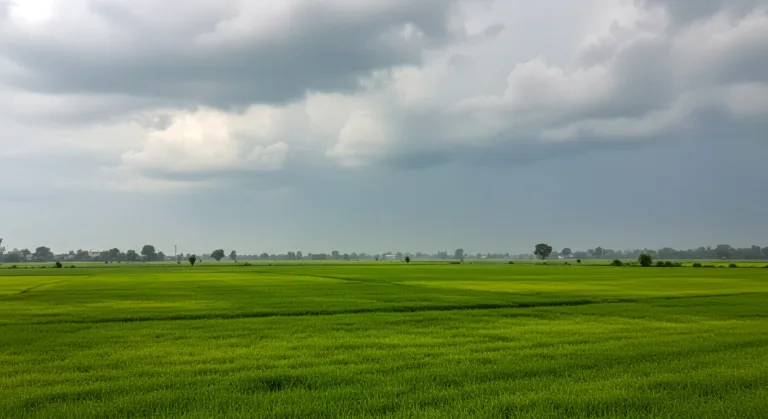
If you’re picturing Multan, think of vast fields bathed in soft sunlight, where the air smells like fresh dirt and promise. Right now, in October, Multanfarms.com and nearby spots are in full swing with the Rabi season, Pakistan’s winter cropping time. It’s like the farms are hitting the “plant now” button, sowing seeds for wheat, mustard greens, and chickpeas that will grow strong over the next few months.
Farmers prepare the soil by plowing and adding nutrients, then scatter seeds like confetti at a party. The dry weather helps keep things steady—no sudden floods to worry about. In Multan, the fertile plains from the Chenab River make this season a winner, turning dusty fields into green carpets by December. Imagine walking through rows of tiny green shoots, feeling the cool breeze—it’s like the earth is whispering, “Good things are growing here!”
This time is crucial because Rabi crops like wheat are staples, providing the roti and naan that power Pakistani meals. Without autumn’s gentle start, these harvests wouldn’t thrive.
A Quick Tour of Pakistan’s Four Amazing Seasons
Pakistan’s seasons are like chapters in a thrilling book, each one flipping the page to reveal new colors, smells, and activities. Let’s zip through them so you can see how autumn fits in—it’s the bridge that connects the heat to the chill.
- Winter (December to February): Cool and sometimes foggy, like a misty morning adventure. In the north, it snows on mountains, perfect for snowball fights, while plains stay mild at 15-20°C. Farmers rest fields after harvest, and hot chai warms everyone up.
- Spring (March to May): A burst of life, like flowers exploding in a rainbow party. Temperatures climb to 25-30°C, and blooms cover Multan in pink and yellow. It’s planting time for summer veggies, with festivals like Basant filling skies with kites.
- Summer (June to September): Hot and rainy, like a wild water park ride. Monsoons bring showers that cool the 40°C+ heat, growing rice and mangoes. But watch out for those sudden downpours—they’re exciting but can flood fields!
- Autumn (October to November): Our star right now—dry, golden, and inviting, easing into cooler vibes at 20-27°C. It’s harvest wrap-up for summer crops and prep for winter ones, with clear days for exploring.
Each season changes based on where you are—in the mountains, winter bites harder, while coastal areas stay balmier. It’s this variety that makes Pakistan’s weather like a choose-your-own-adventure story.
How Seasons Shake Up Life on Multan Farms
Ever wonder how the weather bosses around a farm? At Multanfarms.com, seasons are like a director calling the shots for a big movie. In autumn, it’s all about action: tractors rumble as farmers till soil, and seeds get tucked in like kids under blankets. This Rabi push means wheat fields will soon wave like a sea of gold, ready for the spring harvest.
Take wheat, for example—planted now in October, it sprouts in the cool nights and grows tall by winter’s end. It’s like giving a plant a long, slow hug to build strength. Other stars include barley and oilseeds like mustard, which add zing to your kitchen oils. Fun fact: Multan’s sandy loam soil acts like a sponge, holding just enough moisture from irrigation canals to keep things green without the monsoon chaos.
But it’s not all smooth sailing. If autumn stays too dry, farmers use tube wells for water, like giving the fields a scheduled shower. These smart moves ensure the food keeps coming, straight from farm to your fork.
Fun Twists: Festivals and Foods That Scream Autumn
Seasons aren’t just weather—they’re parties on your plate and in the streets! In October’s autumn glow, Pakistan lights up with vibes that make you want to join in. Think of it as nature’s way of saying, “Let’s celebrate the change!”
One biggie is post-monsoon relief—families head to parks for barbecues with fresh kebabs and naan baked from newly milled wheat. In Multan, the air fills with the smoky scent of tandoor ovens firing up. Did you know autumn is prime time for picking late-season fruits like guavas and pomegranates? They’re juicy bursts of red and green, perfect for school snacks.
Rhetorical question: Wouldn’t you love munching on a sweet pomegranate while watching the sun dip low? Festivals like the Multan Arts Festival sometimes pop up, showcasing crafts and music under starry skies. It’s these touches that turn a simple season into memories, blending farm life with family fun.
Challenges in the Air: When Seasons Throw Curveballs
No season is perfect, right? Even autumn has its sneaky side, like a friend who forgets to text back. In Pakistan, climate quirks can make farming tricky—think unexpected early chills or lingering summer heat messing with seed germination. For Multan farmers, dry spells mean relying on canals, but if water levels dip, it’s like playing a guessing game with rain.
Here’s a quick list of common hiccups:
- Water woes: Less rain means more irrigation, which can strain resources.
- Pest patrols: Cooler nights might invite bugs that nibble on young shoots.
- Weather wildcards: A sudden frost in November could surprise early crops, like an uninvited guest at dinner.
But hey, farmers are pros at adapting—they use weather apps and drought-resistant seeds, turning challenges into clever solutions. It’s a reminder that nature’s full of surprises, and rolling with them builds resilience, just like acing a tough school project.
Wrapping Up the Magic of Pakistan’s Seasons
From the golden fields of autumn in Multan to the snowy peaks of winter, Pakistan’s seasons weave a tapestry of change that’s as exciting as a rollercoaster. Right now, in October 2025, we’re soaking up the dry, delightful autumn vibes—planting Rabi crops, enjoying cooler breezes, and gearing up for hearty winter eats. Places like Multanfarms.com show how these shifts keep farms thriving, feeding the nation one seed at a time.
Why does this matter to you? Understanding seasons helps you appreciate the rhythm of life, from the roti you eat to the festivals you might join one day. It’s a big, beautiful cycle that connects us all to the land. So, next time you feel that autumn nip in the air, what will you do to celebrate—bake some fresh bread or plant a seed of your own? The season’s calling—what’s your move?