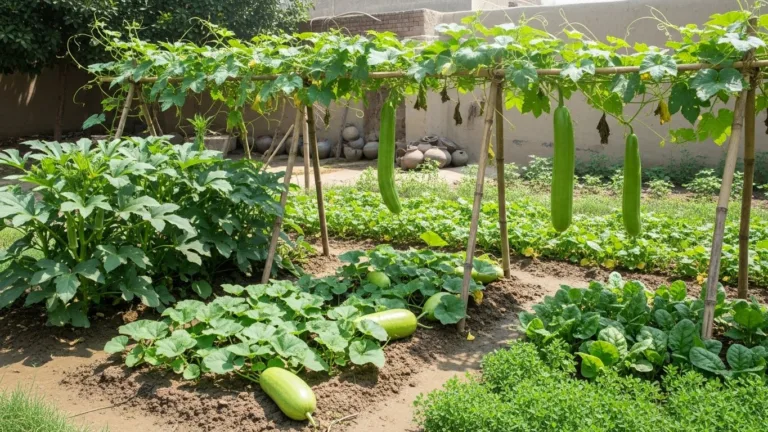
Picture this: it’s August in Pakistan, and you’re standing in your backyard while the sun beats down like a fiery ball in the sky. The temperature is pushing past 35 degrees Celsius, and you’re wondering if anything can possibly survive in this heat, let alone grow into a healthy vegetable. Here’s the surprising truth, August might seem like the worst time to start a garden, but it’s actually one of the most exciting months for Pakistani gardeners who know which vegetables to plant.
You might be thinking, “Wait, isn’t summer supposed to be when plants struggle and wilt?” Well, yes and no. While many delicate plants can’t handle the intense heat, there’s a whole group of tough, heat-loving vegetables that absolutely thrive when planted in August. These vegetables are like the athletes of the plant world, they don’t just survive the heat, they actually prefer it. And the best part? By planting them now, you’re setting yourself up for an amazing harvest in the cooler months ahead.
Whether you’re part of a family that grows vegetables at home, you’re curious about where your food comes from, or you’re just interested in learning something cool about Pakistani agriculture (like what farmers at Multanfarms.com might be doing right now), this guide will show you exactly which vegetables love August’s weather and why this month is actually a gardener’s secret weapon.
Why August Is Actually a Smart Time to Plant in Pakistan
Before we dive into specific vegetables, let’s talk about why August planting makes sense. I know it sounds backwards, planting when it’s blazing hot outside doesn’t seem logical. But here’s the thing: Pakistan’s climate follows a pretty predictable pattern, and smart farmers have figured out how to work with it instead of against it.
When you plant certain vegetables in August, they get to establish their root systems while it’s still warm. Think of it like athletes training during the off-season. The plants are building their strength underground, developing strong roots that will help them explode with growth once the weather cools down in September and October. By the time winter arrives, these vegetables are ready to produce tons of fresh produce when other plants would be struggling.
Another reason August planting works is because of Pakistan’s monsoon season. In many parts of the country, August brings occasional rains that help keep the soil moist. This natural irrigation means you don’t have to water as much as you would in bone-dry June or July. The combination of warmth and moisture creates perfect conditions for seeds to germinate, which is just a fancy way of saying “sprout and start growing.”
Plus, there’s a practical advantage that every gardener loves: less competition from pests. Many of the bugs and insects that munch on vegetable plants aren’t as active during the peak heat of August. It’s like getting a head start in a race while your competitors are still at the starting line.
The Superstar Vegetables That Love August Heat
So which vegetables are tough enough to handle August’s intensity? Let’s start with the absolute champions. Bottle gourd, known as “lauki” or “ghiya” in Urdu, is probably the most popular August vegetable across Pakistan. This climbing vegetable doesn’t just tolerate heat, it craves it. Farmers plant bottle gourd in August knowing that within 60 to 70 days, they’ll have long, green gourds ready for harvest.
What makes bottle gourd so special? It’s incredibly adaptable. Whether you’re in the humid climate of Karachi or the drier heat of Multan (where farms like Multanfarms.com operate), bottle gourd adjusts and grows. The plant produces beautiful white flowers that bloom at night, and before you know it, those flowers transform into the gourds you see in vegetable markets.
Ridge gourd (called “tori” in Urdu) is another August superstar. This vegetable is like bottle gourd’s slightly more adventurous cousin. It has those distinctive ridges running along its length, and it grows incredibly fast once it gets going. Plant ridge gourd seeds in August, and you could be harvesting fresh vegetables by October. The vines can climb up fences, walls, or special supports called trellises, making them perfect for gardens with limited space.
Then there’s bitter gourd or “karela,” which might be the toughest vegetable of them all. I know, I know, many people aren’t fans of its bitter taste. But here’s the thing: bitter gourd is so packed with nutrients and health benefits that doctors and nutritionists can’t stop recommending it. And if you plant it in August, it grows like crazy. The wrinkled, green gourds might not win any beauty contests, but they’re absolute warriors when it comes to handling heat.
Leafy Greens and Quick-Growing Options for August Gardens
Now, you might be wondering about vegetables that aren’t gourds. Good news, August is also perfect for certain leafy greens and faster-growing options. Spinach (or “palak”) can be planted in late August, especially in areas where the temperature starts dropping slightly toward the end of the month. The trick with spinach is to choose heat-tolerant varieties that have been specially developed for warmer climates.
Fenugreek, which you might know as “methi,” is another fantastic August option. This leafy green grows incredibly quickly, sometimes you can start harvesting leaves in just three to four weeks. Imagine planting seeds at the start of August and having fresh methi ready for parathas or curry by the end of the month. That’s the kind of instant gratification that makes gardening addictive.
Here’s something really cool: okra or “bhindi” can still be planted in August in most parts of Pakistan. While okra is usually associated with summer planting, August plantings can give you a second harvest that extends well into autumn. Okra plants produce those distinctive star-shaped flowers before developing the green pods we eat. Each plant can produce dozens of pods over several weeks, giving you a continuous supply of fresh vegetables.
Don’t forget about radishes either. These root vegetables are like the sprinters of the vegetable world, they grow super fast and can be ready to harvest in as little as three to four weeks. White radishes, called “mooli,” are especially popular in Pakistani cuisine. Plant them in August, and you’ll have crunchy, fresh radishes by early September.
Understanding Your Local Climate and Making Smart Choices
Here’s something really important to remember: Pakistan is a huge country with different climate zones. What works perfectly in Lahore might need some adjustments in Quetta or Karachi. The vegetables we’ve talked about are generally great for August planting across most of Pakistan, but you need to pay attention to your specific area.
If you live in the northern areas where it gets cooler earlier, you might want to focus on vegetables that can handle cooler temperatures as autumn approaches. In these regions, late August is actually perfect for planting things like turnips and certain types of lettuce. On the other hand, if you’re in the southern coastal areas where it stays warm longer, you can be more aggressive with heat-loving vegetables like gourds.
Soil temperature is another factor that matters more than you might think. Even if the air temperature is scorching hot, the soil temperature can vary depending on whether your garden is in full sun all day or gets some shade. Most of the August vegetables we’ve discussed prefer soil temperatures between 25 and 35 degrees Celsius. Too hot, and seeds might not germinate properly. Too cool, and they’ll take forever to sprout.
Here’s a pro tip that experienced farmers (like those at Multanfarms.com) use: they prepare their soil in advance. Before planting August vegetables, they add compost or well-rotted manure to the soil. This organic matter acts like a sponge, helping the soil hold moisture during hot days. It’s like giving your vegetables a built-in water reservoir that they can tap into whenever they need it.
Practical Tips for August Planting Success
Okay, so you’re convinced that August planting makes sense, and you know which vegetables to try. But how do you actually increase your chances of success? Let’s talk about some practical strategies that work in real Pakistani gardens.
First, timing matters within the month. Early August can be brutally hot, while late August often brings slightly cooler temperatures and more monsoon activity. If possible, aim to plant during the last week of August or whenever your area experiences a rainy spell. The moisture from rain will help your seeds get off to a strong start without you having to water constantly.
Second, think about where you’re planting. If you have a choice, pick spots that get morning sun but some afternoon shade. Full-day sun during August can be overwhelming even for heat-loving vegetables. Alternatively, you can create temporary shade using old cloth or shade netting during the hottest part of the day. Many Pakistani farmers use this technique to protect young seedlings during their first week or two of growth.
Watering strategy is crucial in August. Young plants need consistent moisture but not waterlogging. The best approach is to water deeply but less frequently. This means giving your plants a thorough soaking that reaches deep into the soil, then letting the top layer dry out before watering again. This encourages roots to grow deeper, making your plants more drought-resistant as they mature. Early morning or late evening watering is best because less water evaporates in the cooler temperatures.
Don’t forget about mulching, which is basically covering the soil around your plants with organic material like dried leaves or grass clippings. Mulch acts like a protective blanket, keeping the soil cooler and preventing moisture from evaporating too quickly. It’s one of those simple techniques that makes a huge difference in hot weather.
Common Mistakes to Avoid When Planting in August
Even experienced gardeners make mistakes, so let’s talk about the most common ones so you can avoid them. The biggest mistake people make is planting too deep. When it’s hot outside, there’s a temptation to bury seeds deeper thinking they’ll be protected from the heat. But most vegetable seeds need to be planted at specific depths to germinate properly. Bottle gourd and ridge gourd seeds, for example, should only be planted about 2 to 3 centimeters deep. Any deeper, and they might not have enough energy to push through the soil.
Another common error is overcrowding. When you’re excited about planting, it’s tempting to scatter lots of seeds thinking “more is better.” But vegetables need space to grow properly. Crowded plants compete for nutrients, water, and sunlight, and none of them end up growing as well as they could. Follow the spacing recommendations for each vegetable. For gourds, that usually means at least 60 to 90 centimeters between plants.
Many people also make the mistake of expecting too much too soon. Gardening requires patience. Just because you planted seeds in August doesn’t mean you’ll have vegetables in September. Different vegetables have different maturity times. Radishes might be ready in a month, but bottle gourd could take two to three months. Keep a simple calendar or journal noting when you planted each vegetable so you know what to expect.
Finally, don’t fall into the trap of ignoring your plants after planting. The first few weeks are critical. Check your garden regularly for signs of problems like pest damage, wilting, or disease. Catching issues early makes them much easier to fix than waiting until your plants are seriously damaged.
Why Growing Your Own Vegetables Is Worth the Effort
At this point, you might be thinking, “This sounds like a lot of work. Why not just buy vegetables from the market?” That’s a fair question, and honestly, buying vegetables is definitely easier. But there’s something incredibly satisfying about growing your own food that you can’t get from a shopping trip.
First, there’s the taste difference. Vegetables you grow yourself and pick fresh taste way better than ones that have been sitting in storage or transported long distances. A bottle gourd harvested from your garden and cooked the same day has a sweetness and tenderness that store-bought ones often lack. Once you’ve experienced that difference, it’s hard to go back.
Then there’s the learning experience. Growing vegetables teaches you about nature, seasons, responsibility, and patience. You learn to observe carefully, problem-solve when things go wrong, and celebrate when things go right. These are valuable skills that extend way beyond gardening. Plus, understanding where food comes from and how much work goes into growing it gives you a new appreciation for farmers and agriculture.
There’s also an economic benefit. Sure, seeds cost money, and you might need to invest in some basic tools and soil amendments. But once you get going, homegrown vegetables are much cheaper than buying them week after week from the market. A single bottle gourd plant can produce multiple vegetables over several weeks. That adds up to real savings, especially for families trying to eat healthy on a budget.
Bringing It All Together: Your August Planting Action Plan
So here’s what we’ve learned: August in Pakistan, despite its heat, is actually an excellent time to plant specific vegetables. Gourds like bottle gourd, ridge gourd, and bitter gourd are your best bets, along with heat-tolerant options like okra, fenugreek, and radishes. By understanding your local climate, preparing your soil properly, and following smart planting practices, you can set yourself up for a successful harvest in the cooler months ahead.
Whether you’re working with a small backyard plot or you’re curious about what happens on larger farms like Multanfarms.com, the principles remain the same: work with nature’s rhythms instead of against them, choose vegetables suited to the season, and give your plants consistent care during their early stages of growth.
The next time August rolls around and you see the intense summer sun blazing overhead, you’ll know that beneath that heat lies opportunity. While others might think the growing season is over, you’ll understand that it’s actually just beginning for a whole category of vegetables that are perfectly adapted to Pakistan’s unique climate.
So here’s my challenge for you: will you give August planting a try? Whether it’s just a few pots on a balcony or a dedicated garden bed, starting small can lead to big rewards. Who knows, you might discover a new hobby, develop useful skills, and enjoy delicious homegrown vegetables all at the same time. What’s stopping you from planting your first seeds this August?