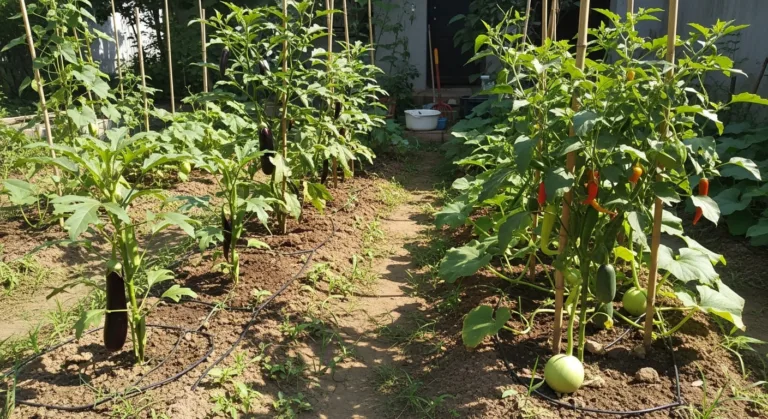
Picture this: it’s the middle of summer, the sun is blazing, and you’re standing in your backyard wondering if it’s too late to start growing vegetables. Maybe your spring plants are already done, or perhaps you’re just getting excited about gardening now that school’s out. Good news! July isn’t the end of your gardening season, it’s actually a fantastic time to plant certain vegetables that love the heat and will give you fresh food to harvest in late summer and fall.
July gardening is like getting a second chance at bat. While some vegetables prefer the cooler spring weather, others actually thrive when planted in the warmth of midsummer. These heat-loving plants grow quickly in July’s long, sunny days and can fill your garden (and your dinner plate) before the first frost arrives. Whether you’re in Multan, where summers get seriously hot, or anywhere else with warm July weather, knowing which vegetables to plant now can transform your garden from empty to abundant.
In this article, you’ll discover the best vegetables to grow in July, learn why some plants actually prefer being planted in summer, and get practical tips for making your midsummer garden successful. Let’s dig in!
Why July is Actually Perfect for Certain Vegetables
You might think that July’s heat would be too much for delicate seedlings, but some vegetables absolutely love it. Think of it this way: just like some people prefer swimming in warm water rather than jumping into a cold pool, certain vegetables grow best when the soil and air are toasty warm.
When you plant in July, you’re working with nature’s timeline. Vegetables like beans, squash, and certain greens need warm soil to germinate quickly. Cold soil in early spring can cause seeds to rot before they sprout, but July’s warm earth acts like a cozy blanket that encourages seeds to wake up and grow fast. Plus, many summer-planted vegetables are ready to harvest in fall, which means you’ll have fresh food when grocery stores are charging premium prices for out-of-season produce.
Another cool advantage? Fewer pests! Many of the bugs that attack young plants in spring have already completed their life cycles by July. This means your summer-planted seedlings might actually have an easier time growing without being munched on by hungry insects.
Fast-Growing Beans: Your July Superheroes
Beans are like the sprinters of the vegetable world. Plant them in July, and you’ll see sprouts popping up in less than a week. Both bush beans and pole beans love July’s warmth and will reward you with a harvest in just 50-60 days.
Bush beans are especially great for July planting because they don’t need any support structures. Just poke the seeds into the soil about an inch deep, water them regularly, and watch them grow. They’re perfect if you’re new to gardening because they’re super forgiving and produce tons of beans from a small space. Green beans, yellow wax beans, and even purple beans (yes, they exist!) all do wonderfully when planted in July.
Pole beans take a bit more work since they need something to climb, but they produce beans for a longer period. If you have a fence, trellis, or even some tall sticks, pole beans will climb right up and give you beans all the way until the first frost. It’s like getting a vegetable factory that keeps working for months!
Summer Squash and Cucumbers: Beat the Heat Champions
If there’s one thing summer squash and cucumbers have in common, it’s their love for hot weather. These vegetables practically laugh at July temperatures that would make other plants wilt. Zucchini, yellow squash, and cucumbers are all part of the same plant family, and they grow so fast in July that you might find yourself with more vegetables than you know what to do with.
Here’s a fun fact: a single zucchini plant can produce enough zucchini to feed a family of four all summer long. When you plant zucchini in July, you’re looking at harvests starting in August and continuing until fall. The trick is to pick them when they’re small (about 6-8 inches long) because giant zucchinis can get tough and watery.
Cucumbers are equally prolific. Whether you’re growing them for fresh eating, pickling, or both, July planting works perfectly. Just make sure they get plenty of water, because cucumbers are about 95% water themselves. Think of watering cucumbers like filling up a water balloon. Without enough water, they’ll be small and bitter, but with consistent moisture, they’ll be crisp, sweet, and perfect for summer salads.
Leafy Greens: The Fall Harvest Surprise
Wait, didn’t we say July is hot? How can you grow lettuce and other greens in the heat? Here’s the secret: you’re not growing them FOR July, you’re growing them IN July to harvest in the cooler days of September and October. It’s like planting a time capsule that opens when the weather gets nicer.
Certain greens actually do great when planted in midsummer. Lettuce varieties that are “heat tolerant,” along with spinach, arugula, and Asian greens like bok choy, can all be started in July. The key is choosing the right varieties. Look for lettuce labeled as “summer” or “heat-tolerant” types. These have been specially bred to handle warmer conditions while they’re getting established.
You can also plant these greens in a slightly shadier spot in your garden or use a shade cloth to protect them during the hottest part of the day. Think of it like wearing sunglasses on a bright day. The greens still get light, but the intense afternoon sun doesn’t burn them. By the time September rolls around with its cooler temperatures, your greens will be the perfect size for harvesting.
Root Vegetables: Underground Treasures for Fall
July is an excellent time to plant certain root vegetables, especially if you want to harvest them in fall. Carrots, beets, radishes, and turnips can all go into the ground in July and will be ready to pull up when the weather cools down.
Radishes are the quickest of the bunch. They’re like the instant gratification of the vegetable world, ready to harvest in just 25-30 days. This makes them perfect for July planting because you’ll be crunching on fresh radishes before summer even ends. Kids especially love growing radishes because you can see results so quickly.
Carrots and beets take longer (60-75 days), but they actually taste sweeter when they mature in cooler fall weather. The light frost that comes in early fall converts some of the starches in these vegetables to sugars, making them taste better than carrots or beets grown in summer heat. It’s like nature’s way of adding a sweet coating to your vegetables. Plant them in July, and you’ll be harvesting the sweetest carrots of your life in September or October.
Smart Tips for July Planting Success
Growing vegetables in July comes with its own set of challenges, but with a few smart strategies, you’ll set yourself up for success. First and foremost, water is your best friend. July-planted seeds and seedlings need consistent moisture to establish themselves. Water deeply in the early morning or evening to avoid evaporation and help roots grow strong.
Mulch is another game-changer for summer planting. Spread a layer of straw, grass clippings, or shredded leaves around your plants. This acts like a protective blanket that keeps soil cool, retains moisture, and prevents weeds from taking over. Think of mulch as sunscreen for your soil.
Finally, don’t be afraid to provide some shade for your newly planted seedlings. You can use shade cloth, old bed sheets, or even plant taller crops nearby to create natural shade. Once plants are established and growing strong, they can usually handle full sun, but those first few weeks after planting, a little shade goes a long way.
Wrapping Up Your July Garden Adventure
So, is July too late to start your garden? Absolutely not! In fact, July offers unique opportunities to grow vegetables that love the heat and will provide fresh food well into fall. From fast-growing beans and prolific squash to sweet fall carrots and crisp lettuce, your July garden can be just as productive as a spring garden, if not more so.
The key is choosing the right vegetables for the season and giving them the care they need to thrive in summer heat. With proper watering, some mulch, and maybe a bit of shade, you’ll transform your summer garden into a productive paradise. Plus, there’s something incredibly satisfying about harvesting fresh vegetables you planted in the heat of summer while you’re enjoying the cool breezes of fall.
Ready to get your hands dirty and plant something amazing this July? What vegetable will you try first?