Have you ever walked past a garden and noticed that different plants seem to thrive at different times of the year? Maybe you’ve seen tomatoes bursting with fruit in the summer but struggling in winter, or noticed that certain greens seem to love the cooler months. There’s actually a really cool reason behind this, and understanding it can turn you into a gardening genius! The secret is knowing which vegetables belong to “is mosam ki sabzi,” which is Urdu for “this season’s vegetables.”
In Pakistan and many other parts of the world, farmers and gardeners don’t just randomly plant whatever they feel like whenever they want. They follow nature’s calendar, growing specific vegetables during the seasons when those plants are naturally programmed to do their best. It’s kind of like how you wouldn’t wear a heavy winter coat in July or shorts in December (well, most places anyway!). Plants have their own “comfortable” seasons too, and when you work with nature instead of against it, amazing things happen.
In this article, we’re going to dive deep into the world of seasonal vegetables. You’ll learn why growing the right veggies at the right time matters, which vegetables love which seasons in Pakistan, and how farms like Multanfarms.com use this knowledge to produce the freshest, tastiest vegetables possible. By the end, you’ll understand why your grandmother always seems to know exactly what to plant and when!
Why Does Season Even Matter for Vegetables?
Imagine trying to study for a test while someone’s blasting music, your siblings are fighting, and it’s super hot in your room. You could probably still do it, but it would be way harder than studying in a quiet, comfortable space, right? That’s exactly how vegetables feel when they’re planted in the wrong season!
Every vegetable has what scientists call an optimal growing temperature, which is basically the temperature range where the plant feels most comfortable and grows best. Some veggies, like spinach and peas, absolutely love cool weather. They grow amazing leaves and produce tons of food when temperatures are between 15-20°C (59-68°F). But put those same plants in scorching 40°C summer heat, and they’ll wilt, taste bitter, and might even die.
On the flip side, vegetables like tomatoes, peppers, and eggplants are total heat lovers. They need warm soil and hot days to produce those juicy fruits we love. Plant them too early when it’s still cold, and they’ll just sit there looking sad and refusing to grow. It’s like they’re waiting for their favorite season to arrive before they’ll do anything productive! Understanding these preferences is the foundation of growing “is mosam ki sabzi,” or seasonal vegetables.
Pakistan’s Winter Wonders: Cool Season Champions
Let’s talk about the vegetables that absolutely rock the cooler months in Pakistan, roughly from October through February. This is when farms like Multanfarms.com are busy growing what we call cool-season crops, and the variety is honestly amazing!
First up, we have the leafy green superstars. Palak (spinach), methi (fenugreek), and sarson (mustard greens) all thrive when the weather gets cooler. These plants actually taste better when grown in winter because the cool temperatures make their leaves tender and sweet. If you try growing them in summer, they become tough and bitter, kind of like how chocolate tastes better when it’s not melted into a gooey mess!
Then there are the root vegetables like gajar (carrots), shalgam (turnips), and mooli (radish). These underground champions need cool soil to develop those crunchy, sweet roots we love to munch on. The cool weather lets them grow slowly and steadily, building up sugars and that satisfying crunch. Rush them with warm weather, and you get woody, bitter roots that nobody wants to eat.
Don’t forget about the peas and various types of beans that show up in winter! These legumes (which is just a fancy word for plants that produce pods) are packed with protein and taste incredible when fresh. They climb up little structures in gardens, producing beautiful flowers before giving us those sweet, crispy pods. Winter gives them the perfect conditions to focus on making lots of pods instead of just leaves.
Summer’s Sizzling Selections: Heat-Loving Heroes
When the temperature cranks up from April through September, a completely different set of vegetables takes center stage. These are the warm-season crops that basically live for the heat and would probably wear sunglasses if they could!
The undisputed kings of summer vegetables in Pakistan are the gourds and squashes. We’re talking about tori (zucchini), karela (bitter gourd), lauki (bottle gourd), and kaddu (pumpkin). These climbing vines spread out everywhere and produce huge amounts of vegetables throughout the hot months. They need that intense heat and long sunny days to develop properly. It’s like they’re solar-powered plants that say “bring on the sunshine!”
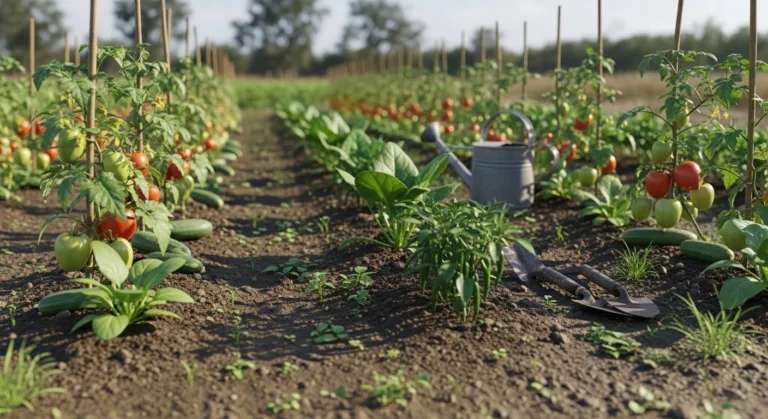
Then you have the nightshade family (cool name, right?), which includes baingan (eggplant), tamatar (tomatoes), and shimla mirch (bell peppers). These plants don’t just tolerate heat, they demand it! Their fruits need warm nights and hot days to develop that perfect flavor and texture. A tomato grown in proper summer heat tastes completely different (way better!) than one forced to grow in cooler weather.
Don’t forget about bhindi (okra), which is practically made for Pakistani summers. This vegetable thrives in heat that would make other plants give up entirely. The hotter it gets, the more productive okra becomes, pumping out those green pods almost faster than you can pick them!
The Transition Seasons: Spring and Fall Flexibility
Here’s where things get really interesting! Spring (March-April) and fall (September-October) are like the “in-between” times when you have the most flexibility in what you can grow. Think of these seasons as the “business casual” of the vegetable world, not too formal, not too relaxed, and lots of options work!
During these transition periods, farmers can actually grow vegetables from both categories. Some of the hardier winter crops can still produce in early spring, while early plantings of summer crops can get started before the real heat kicks in. It’s like having the best of both worlds!
Dhaniya (cilantro) and podina (mint) are perfect examples of transition season stars. These herbs can handle a pretty wide temperature range, though they do have their limits. They’re super useful to plant during spring or fall because they’ll keep producing even as the weather shifts from one extreme to the other.
This is also when smart farmers start thinking ahead. In early fall, they’re preparing beds and starting seeds for winter crops. In early spring, they’re getting ready for the summer planting rush. Farms like Multanfarms.com time everything perfectly so there’s always fresh, seasonal produce available.
What Happens When You Ignore the Seasons?
You might be wondering, “Can’t we just grow whatever we want whenever we want with enough water and care?” Well, technically yes, but it’s like trying to run a marathon in flip-flops. You could do it, but why would you make it so much harder than it needs to be?
When vegetables are grown out of season, several problems pop up. First, they require way more resources like water, fertilizer, and pest control. It’s like the plant is constantly stressed and crying out for help to survive in uncomfortable conditions. This makes the vegetables more expensive to grow and less environmentally friendly.
Second, out-of-season vegetables just don’t taste as good. Seriously! A tomato grown in its proper season has been calculated to have up to 30% more flavor compounds than one forced to grow in the wrong season. That’s a huge difference you can actually taste. It’s the difference between a mediocre meal and an amazing one.
Third, these stressed plants are way more likely to get sick or attacked by pests. When a plant is struggling because of wrong temperatures, it’s like how you’re more likely to catch a cold when you’re tired and stressed. The plant’s natural defenses are weaker, so farmers have to use more pesticides and treatments, which nobody really wants.
How Do Farmers Know What to Plant When?
This is where generations of wisdom meet modern knowledge! Experienced farmers, like those at Multanfarms.com, use a combination of traditional knowledge passed down through families and modern agricultural science to make planting decisions.
Traditional farming calendars have been used in Pakistan for thousands of years. These calendars, often based on the Islamic lunar calendar or seasonal markers like monsoons, tell farmers when to expect certain weather patterns and what vegetables grow best during each period. It’s like having a farming guidebook written by your great-great-great-grandparents!
Modern farmers also use climate data and temperature tracking to fine-tune their planting schedules. They look at average temperatures, frost dates, and rainfall patterns to make even more precise decisions. Some farms even use apps and weather services to predict the best planting windows down to the week!
There’s also something called crop rotation, where farmers intentionally plant different vegetables in the same spot across different seasons. This isn’t just about following seasons, it’s about keeping the soil healthy. For example, after growing tomatoes in summer (which take a lot of nutrients from soil), a farmer might plant peas in winter (which actually add nutrients back into the soil). It’s like giving the soil a balanced diet!
The Benefits of Eating Seasonal Vegetables
Now let’s talk about why YOU should care about all this seasonal vegetable stuff. It’s not just interesting trivia, it actually affects your life in pretty cool ways!
Fresh and flavorful is the biggest benefit. When you eat vegetables that are in season, you’re getting them at their absolute peak. They taste better, have more vitamins, and honestly just make your meals way more enjoyable. Compare a summer tomato to a winter one, there’s just no contest!
Better for your wallet is another huge plus. Seasonal vegetables are abundant, which means they’re cheaper. When spinach is in season, you can buy huge bunches for very little money. Try to buy it out of season, and you’ll pay way more for lower quality. It’s basic supply and demand, and it works in your favor when you follow the seasons.
More nutritious might surprise you! Studies have shown that seasonal produce often has higher levels of vitamins and antioxidants because the plants grew in their ideal conditions. They didn’t have to divert energy to just surviving, so they put more good stuff into the parts we eat.
Planning Your Own Seasonal Garden
Want to try growing some vegetables yourself? Even if you just have a small balcony or terrace, you can totally grow seasonal veggies! Here’s a simple guide to get you started.
For winter (November-February), start with easy greens like spinach, cilantro, or lettuce. These grow fast, don’t need much space, and you can even grow them in containers. Radishes are also super beginner-friendly and can be ready to eat in just 30 days!
For summer (May-August), try heat-lovers like chilies, tomatoes, or small gourd varieties if you have more space. These need bigger pots but are really rewarding when they start producing fruit. Just make sure they get lots of sun!
The key is to start small and learn as you go. Watch what thrives and what struggles. Pay attention to when your plants seem happiest. Over time, you’ll develop that same intuition that experienced farmers have about what to grow when.
Wrapping It All Up
Understanding “is mosam ki sabzi,” or seasonal vegetables, is like unlocking a secret code to better food, healthier plants, and a happier planet. Whether you’re shopping at a market, helping your family choose vegetables, or trying to grow your own, knowing what’s in season makes everything better.
Remember, each season brings its own special vegetables that are perfectly designed by nature to grow during that time. Winter gives us nutritious greens and crunchy roots, summer provides heat-loving fruits and gourds, and the transition seasons offer flexibility and variety. Farms like Multanfarms.com work hard to bring you the best seasonal produce, grown at exactly the right time for maximum flavor and nutrition.
So here’s your challenge: next time you’re buying vegetables, ask yourself “Is this in season right now?” Try to choose more seasonal options and see if you notice a difference in taste and freshness. Can you taste the difference between a vegetable that’s truly in its season versus one that’s not? Your taste buds might just surprise you!