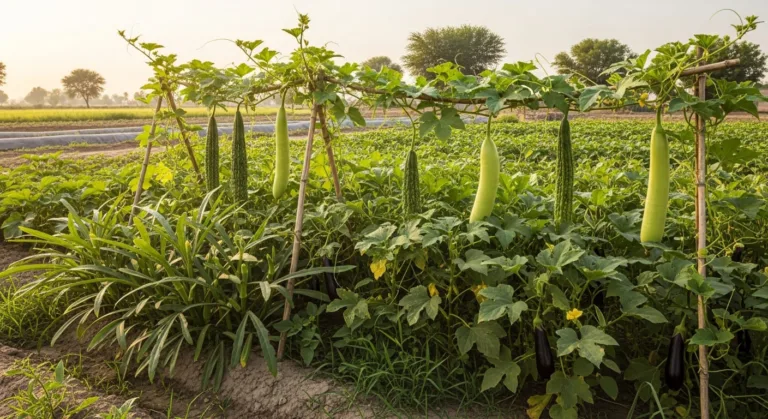
Picture this: it’s July in Punjab, and the temperature on your phone says 42°C. You’re sweating just thinking about going outside, and the last thing you’d imagine is that anything could actually grow in this heat. But here’s the surprising truth, while you’re hiding indoors under the fan, some vegetables are absolutely thriving in your backyard! July might feel like nature’s oven, but for certain tough vegetables, it’s the perfect time to show off their superpowers.
Punjab’s July is legendary for its intense heat, long sunny days, and the occasional monsoon shower that brings temporary relief. This unique combination of extreme temperatures and summer rains creates special growing conditions that only certain vegetables can handle. At Multanfarms.com, we’ve learned that understanding which vegetables love July’s challenge can make all the difference between a thriving garden and a withered disappointment.
So what exactly grows when the mercury is pushing past 40 degrees? And why do some vegetables actually prefer these brutal conditions? Let’s dive into the fascinating world of July vegetables in Punjab and discover which plants are brave enough to face the heat.
The Heat Champions of July
July in Punjab is like an extreme sports event for vegetables. Only the toughest competitors survive, and those that do become incredibly flavorful and nutritious. Think of it like training for a marathon, the vegetables that can handle July’s intensity become stronger and more valuable.
Okra (bhindi) is probably the ultimate July superstar in Punjab. This vegetable doesn’t just tolerate heat, it craves it! When temperatures soar above 35°C, okra plants grow so fast you can almost watch them. The hot days and warm nights help okra develop that perfect tender texture without becoming tough or stringy. Farmers across Punjab, from Multan to Lahore, plant okra in June so it’s ready to harvest throughout July and August.
Bottle gourd (lauki) is another champion that loves July’s heat. This climbing vegetable needs warmth to develop properly, and July provides exactly that. The plant’s large leaves act like umbrellas, creating shade for the gourds growing underneath. It’s like the plant designs its own cooling system! Plus, bottle gourd is about 92% water, making it perfect for keeping you hydrated during Punjab’s hottest month.
Ridge gourd (tori) and bitter gourd (karela) are also growing strong in July. These vegetables belong to the same family as bottle gourd and share the same love for heat. Even though bitter gourd tastes, well, bitter, it’s packed with nutrients that help cool your body down naturally. It’s like medicine disguised as food!
The Monsoon Helpers
July isn’t just about heat in Punjab, it’s also when the monsoon rains start arriving. These rains change everything for vegetable farming. Suddenly, the dry, cracked earth gets relief, and certain vegetables respond like they’ve been waiting for this moment all year.
Eggplant (baigan) absolutely loves the combination of July heat and monsoon moisture. The rain softens the soil, making it easier for eggplant roots to spread out and grab nutrients. Meanwhile, the heat keeps the plant growing quickly. This balance creates the perfect purple eggplants you see in markets. Did you know that eggplants in Punjab can grow as big as your head during July? That’s the power of ideal growing conditions!
Chili peppers also thrive when monsoon showers mix with July heat. Whether it’s green chilies or the super spicy varieties, July’s weather helps them develop that intense flavor and heat we associate with Pakistani cuisine. The rain washes away dust and keeps leaves healthy, while the hot sun concentrates the oils that make chilies spicy.
Underground Survivors
While most people think vegetables only grow above ground, July is actually a great time for some underground vegetables in Punjab. These vegetables have developed clever strategies to beat the heat.
Radish (mooli) can be planted in July if farmers time it right with the monsoon. The trick is getting enough water to keep the soil moist while the radish develops underground. Think of it like swimming in a pool on a hot day, the radish stays cool underground while everything above is baking in the sun. Within 30 to 40 days, you can harvest fresh, crispy radishes!
Sweet potatoes are often planted in July across Punjab. The warm soil temperature (which can reach 30°C or more) is exactly what sweet potato slips need to establish strong roots. These roots will grow throughout the hot season and be ready for harvest in autumn. It’s like the plant is storing up energy all through July and August to give you a delicious harvest later.
The Quick Growers
Some vegetables in Punjab take advantage of July’s intense sunlight to grow super fast. These are perfect for farmers and gardeners who want quick results.
Spinach (palak) varieties that are heat-tolerant can be grown in July, especially if planted in slightly shaded areas or if the monsoon has cooled things down a bit. The key is keeping the soil consistently moist. In just 25 to 30 days, you can harvest fresh spinach leaves! Compare that to winter spinach which takes 40 to 50 days, July spinach is like the sprinter of the vegetable world.
Fenugreek (methi) is another speedy vegetable that some Punjab farmers grow in July. It germinates quickly in warm soil and can be ready to harvest in just three to four weeks. The leaves are packed with iron and other nutrients, making them a powerhouse addition to any meal.
Smart Farming Techniques for July
Growing vegetables in Punjab’s July heat isn’t just about choosing the right plants, it’s also about using smart techniques that help them survive and thrive. Farmers at places like Multanfarms.com have developed special strategies over generations.
Mulching is one technique where farmers spread organic material (like dried grass or straw) around the base of plants. This acts like a blanket that keeps soil moisture from evaporating in the intense heat. Imagine wearing a hat on a sunny day, mulch does the same thing for plant roots!
Shade netting is becoming popular for delicate vegetables. Farmers stretch special nets over their crops to reduce direct sunlight by 30 to 50%. This doesn’t block growth, it just prevents the plants from getting sunburned. Yes, plants can get sunburned too!
Drip irrigation is crucial in July when water evaporates so quickly. Instead of flooding fields (where most water evaporates), drip systems deliver water directly to plant roots drop by drop. It’s like giving the plant a water bottle with a straw instead of pouring water all over the place.
Regional Differences Across Punjab
Punjab is a huge province, and July vegetables can vary depending on where you are. The temperature and rainfall patterns aren’t the same everywhere, creating interesting differences in what grows best.
In southern Punjab (areas like Multan, Bahawalpur, and Rahim Yar Khan), July is extremely hot and dry until the monsoon arrives. Farmers here focus on heat-loving vegetables like okra, gourds, and peppers. The sandy loam soil in these areas drains quickly, which prevents roots from rotting during occasional rains.
Central Punjab (Lahore, Faisalabad, Sheikhupura) gets slightly more monsoon rain in July. This allows farmers to grow a wider variety of vegetables, including leafy greens in areas with partial shade. The combination of heat and timely rain makes central Punjab a vegetable powerhouse.
Northern Punjab (near Rawalpindi and Jhelum) is slightly cooler, especially in elevated areas. Here, farmers can grow vegetables that wouldn’t survive in southern Punjab’s extreme heat. They might even plant some early autumn vegetables in late July.
Why July Vegetables Matter
You might wonder, why should I care about which vegetables grow in July? Well, eating seasonal vegetables isn’t just about taste, it’s about health, economics, and the environment all rolled into one.
Health-wise, July vegetables are adapted to help your body cope with heat. Okra, gourds, and eggplant all have cooling properties that help regulate body temperature from the inside. They’re also at peak nutrition when grown in their ideal season. Economically, seasonal vegetables are cheaper because there’s plenty of supply. When okra is in season in July, prices drop because every farmer has it. Environmentally, eating seasonal and local vegetables reduces the carbon footprint from transportation and artificial growing methods like heated greenhouses.
Conclusion
July in Punjab might seem like an impossible time for anything to grow, but nature has a way of surprising us. The vegetables that thrive during this month are tough, resourceful, and perfectly designed to handle extreme conditions. From okra standing tall in 40°C heat to bottle gourd creating its own shade system, these vegetables teach us about adaptation and resilience.
Next time you bite into a piece of okra or enjoy a curry made with July eggplant, remember the journey that vegetable took. It survived intense heat, grew through challenging conditions, and emerged stronger because of it. That’s pretty inspiring when you think about it!
So here’s something to consider: could you grow one of these July vegetables at home? Even a small pot on your rooftop or balcony could give you fresh, seasonal produce. What vegetable would you choose to plant, and why? The adventure of growing your own food might be just one seed away!