Have you ever cracked open a fresh egg for breakfast and wondered where it actually came from? Sure, you know it comes from a chicken, but have you thought about the amazing journey that egg took before it landed on your plate? If you’ve ever searched “layer farm near me” online, you’re about to discover a fascinating world that connects directly to your daily life in ways you probably never imagined!
When you think about it, eggs are pretty incredible. They’re packed with protein, they’re affordable, and they’re used in everything from your morning scrambled eggs to the birthday cake your mom bakes. But behind every single egg is a special type of farm called a layer farm, and understanding how these farms work can help you make better choices about the food you eat. Plus, if you live in places like Multan, Punjab, you might be surprised to learn just how many layer farms are operating right in your backyard!
What Exactly Is a Layer Farm?
Let’s start with the basics. A layer farm isn’t where farmers grow layers of crops on top of each other, that would be pretty weird! Instead, it’s a farm specifically designed to raise chickens that lay eggs. These special chickens are called “layer hens” or simply “layers,” and they’re different from the chickens raised for meat.
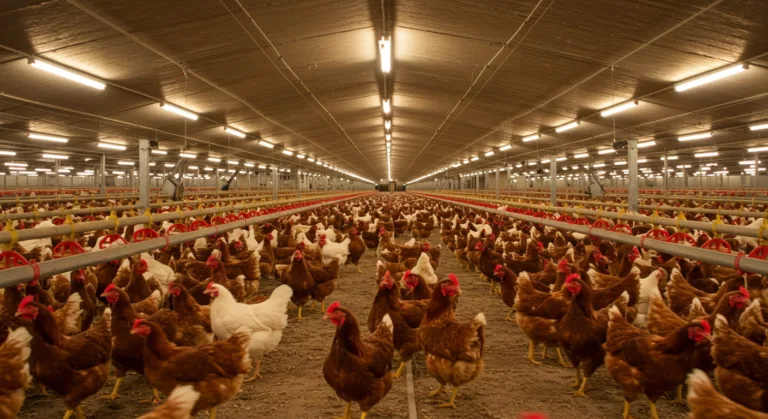
Think of layer farms like specialized factories, but instead of making cars or computers, they’re designed to produce fresh eggs every single day. The hens live in carefully designed spaces where they have access to food, water, and comfortable places to lay their eggs. It’s kind of like how your school has different rooms for different subjects, layer farms have different areas designed for different parts of the egg-laying process.
What makes layer farms really interesting is how efficient they are. A single layer hen can produce about 300 eggs per year! That’s almost one egg every single day. Imagine if you had a job where you had to create something new every day for an entire year, that’s exactly what these amazing hens do.
The Science Behind Egg Production
Here’s where things get really cool. Layer hens are basically living, breathing egg-making machines, but they’re way more complex than any machine humans have ever built. These birds have been specially bred over many years to be excellent at laying eggs, kind of like how some dog breeds are better at certain jobs than others.
The process starts when a hen is about 18-20 weeks old, that’s when she begins laying her first eggs. Her body works like a perfectly timed assembly line. Every 24-26 hours, her reproductive system creates a new egg, complete with shell, white, and yolk. The whole process is so precise that many hens lay their eggs at almost the same time every day!
Layer farms take advantage of this natural process by creating the perfect environment for egg production. The hens get specially formulated feed that contains all the nutrients they need to produce strong, healthy eggs. They also need the right amount of light, which is why many layer farms use artificial lighting to keep production steady throughout the year.
Why Location Matters When Searching for Layer Farms
When people search for “layer farm near me,” they usually have good reasons. Maybe they want fresher eggs, or they’re interested in supporting local businesses, or they want to know more about where their food comes from. Location really does matter when it comes to layer farms, and here’s why.
Fresh eggs from nearby farms taste better than eggs that have traveled hundreds of miles to reach your grocery store. It’s similar to how a tomato from your garden tastes amazing compared to one that’s been shipped from far away. Local layer farms can often get their eggs to stores or directly to customers within a day or two of being laid.
In areas like Multan, Punjab, layer farming has become a significant industry. The climate is favorable for raising chickens, and there’s a strong local demand for fresh eggs. Farms like those connected to Multanfarms.com understand the local market and can provide eggs that are perfectly fresh and suited to local tastes and preferences.
Different Types of Layer Farming Systems
Not all layer farms are the same, and understanding the differences can help you make informed choices about the eggs you buy. There are several main types of layer farming systems, each with its own advantages.
Conventional cage systems house hens in wire cages, which allows farmers to keep a lot of birds in a relatively small space. It’s efficient and helps keep egg prices affordable. However, the hens don’t have as much space to move around as they would in other systems.
Free-range systems give hens access to outdoor areas where they can walk around, scratch in the dirt, and behave more naturally. These eggs often cost more, but many people believe they taste better and come from happier chickens.
Cage-free systems keep hens indoors but give them more space to move around than conventional cages. The hens can spread their wings, walk around, and even perch on special platforms. It’s like the difference between being in a small bedroom versus having an entire house to move around in.
The Economic Impact of Local Layer Farms
Layer farms aren’t just about producing eggs, they’re also important parts of their local economies. When you choose to buy eggs from a local layer farm, you’re supporting local jobs and keeping money in your community. It’s like a ripple effect, the money you spend on local eggs helps pay the farm workers, who then spend their money at local stores, which supports even more local jobs.
In agricultural regions like Punjab, layer farms provide employment opportunities for people with different skill levels. Some people work directly with the chickens, others handle the packaging and distribution of eggs, and still others manage the business side of the operation. A single large layer farm might employ dozens of people directly and support many more jobs indirectly.
Layer farms also support other local businesses. They buy feed from local suppliers, use local veterinarians to keep their flocks healthy, and often work with local transportation companies to distribute their eggs. This creates a network of interconnected businesses that all benefit from the success of the layer farms.
How Technology Is Changing Layer Farming
Modern layer farms are way more high-tech than you might imagine. Many farms now use automated systems that can collect eggs, distribute feed, and even monitor the health of individual hens. It’s like having a smart home, but for chickens!
Some layer farms use computer systems to track how many eggs each hen lays, what they eat, and even their overall health. This helps farmers make sure each hen is producing at her best while staying healthy and comfortable. GPS systems help track egg shipments, ensuring that eggs get to stores and customers as quickly as possible.
Environmental monitoring systems keep track of temperature, humidity, and air quality in the hen houses. This is important because comfortable hens lay more eggs, and healthy environments mean better quality eggs for consumers.
Making Smart Choices as a Consumer
When you’re looking for layer farms near you, there are several things you might want to consider. First, think about what’s most important to you. Is it the freshest possible eggs? Supporting local businesses? Knowing that the hens are raised in a particular way? Different layer farms excel in different areas.
Many layer farms offer tours or have websites where you can learn about their practices. Some farms sell directly to consumers, which means you can often get eggs that are incredibly fresh, sometimes just a day or two old. Others focus on organic or free-range production methods.
Don’t be afraid to ask questions! Most layer farm owners are proud of what they do and are happy to explain their methods. You can ask about what the hens eat, how they’re housed, and how the eggs get from the farm to you.
Looking to the Future
The layer farming industry continues to evolve as farmers work to balance efficiency, animal welfare, environmental concerns, and consumer preferences. New technologies are making it possible to produce high-quality eggs while using fewer resources and creating less environmental impact.
As consumers become more interested in knowing where their food comes from, layer farms are becoming more transparent about their practices. Many farms now use social media to share daily life on the farm, showing people exactly how their eggs are produced.
So the next time you crack open an egg for breakfast, remember the amazing journey it took to get to your plate. From the dedicated farmers who care for the hens, to the hens themselves who work every day to produce these nutritional powerhouses, there’s a whole world of activity happening at layer farms near you. Whether you’re in Multan or anywhere else, taking the time to learn about and support local layer farms can help you make better food choices while supporting your local economy. What questions do you have about the layer farms in your area?