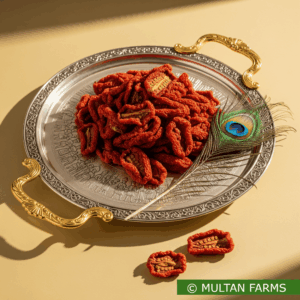
Picture this: you’re standing in the middle of a massive field where the soil is so rich it’s almost reddish-brown, the sun is beating down from a bright blue sky, and all around you are rows and rows of fruit trees heavy with mangoes, citrus fruits, and dates. Welcome to the world of Multan farms! This region in Pakistan isn’t just any farming area, it’s one of the most productive agricultural zones in the entire country, and it’s been feeding people for literally thousands of years.
Multan, located in the southern part of Punjab province, sits right in the heart of Pakistan’s agricultural belt. The city and its surrounding farmland have earned some pretty cool nicknames over the centuries, like the “City of Saints” and the “City of Mangoes.” But here’s what makes Multan farms truly special: they’ve figured out how to grow incredible crops in what’s basically a desert climate! The farmers here have mastered the art of working with intense heat, limited water, and challenging soil conditions to produce some of the sweetest fruits and highest-quality crops you’ll find anywhere.
So what exactly grows on these farms, and how do farmers make it all work? Let’s dig into the fascinating world of Multan’s agricultural traditions and discover why websites like Multanfarms.com celebrate this unique farming heritage!
The Mango Magic of Multan
If Multan farms were famous for just one thing, it would absolutely be mangoes. We’re not talking about just any mangoes here, Multan produces some of the world’s most prized mango varieties, and people go absolutely crazy for them! The most famous varieties include Chaunsa, Sindhri, Anwar Ratol, and Langra, each with its own special flavor, texture, and sweetness level.
Think of Multan’s mango orchards like nature’s candy factories. The combination of scorching hot summers, rich alluvial soil (that’s soil deposited by rivers over thousands of years), and careful farming techniques creates the perfect conditions for mangoes to develop their signature sweetness. Some of these mango trees are decades old, passed down through families like precious heirlooms. Farmers treat them with incredible care, pruning them at just the right times and protecting them from pests and diseases.
During mango season, which runs from May to August, Multan transforms into a golden paradise. The farms become picking grounds where workers carefully harvest each mango by hand to avoid bruising. It’s kind of like a treasure hunt, except the treasure is delicious fruit! The best part? These mangoes don’t just stay in Pakistan. They’re exported to countries all over the world, bringing a taste of Multan to people thousands of miles away.
Cotton: The White Gold of Punjab
While mangoes might be the stars of the show, cotton is actually the backbone of Multan’s agricultural economy. Pakistan is one of the world’s largest cotton producers, and Multan farms contribute a huge chunk of that production. Cotton isn’t just for making your favorite t-shirts and jeans, it’s a cash crop that supports millions of families in the region.
Growing cotton in Multan is serious business. Farmers plant the seeds in spring, usually around April or May, and then it’s a waiting game. The cotton plants grow throughout the hot summer, developing fluffy white bolls (those are the cotton-filled pods) that burst open when they’re ready. Imagine walking through a field that looks like it’s covered in white clouds sitting on green bushes, that’s what a cotton field looks like at harvest time!
Here’s something cool: the cotton grown in Multan is known for its long fibers, which makes it super valuable for making high-quality fabric. Fashion designers and textile manufacturers actually seek out Pakistani cotton because it’s strong, soft, and durable. So next time you’re wearing a comfy cotton shirt, there’s a chance it started its life on a Multan farm!
The Challenge of Water in a Thirsty Land
Now, you might be wondering, how do farmers grow all these amazing crops when Multan gets really hot and doesn’t have much rain? Great question! This is where irrigation comes in, and it’s kind of a big deal. Multan farms rely heavily on an ancient and modern mix of irrigation systems to keep their crops alive and thriving.
The region is blessed with several rivers, especially the mighty Chenab River, which provides water through an elaborate network of canals built over the past couple of centuries. It’s like a giant watering system that branches out from the main rivers into smaller and smaller channels, eventually reaching individual farms. Some farmers still use traditional methods like Persian wheels (imagine a water wheel powered by oxen that lifts water from wells), while others have upgraded to modern drip irrigation systems that save water by delivering it directly to plant roots.
Water management is probably the biggest challenge facing Multan farms today. With climate change making weather patterns less predictable and the population growing rapidly, farmers have to be smarter than ever about how they use every drop. Many are learning new techniques like mulching (covering soil to reduce evaporation) and choosing drought-resistant crop varieties. It’s basically like being a detective, constantly figuring out how to solve the puzzle of growing more food with less water.
Beyond Mangoes: The Diverse Crop Portfolio
Multan farms aren’t a one-trick pony! Besides mangoes and cotton, the region produces an impressive variety of other crops that might surprise you. Citrus fruits like oranges, grapefruits, and kinnows (a type of mandarin orange) thrive in the area, especially in the cooler months from November to March. These orchards fill the air with the most amazing fragrant smell when the trees are blooming.
Then there’s sugarcane, which grows tall and thick, sometimes reaching heights of 10 to 12 feet! Farmers plant it during the spring, and it takes almost a full year to mature. When it’s ready, workers cut down the thick stalks and send them to sugar mills where they’re crushed to extract the sweet juice. If you’ve ever enjoyed sugar in your tea or cake, you might be eating the results of a Multan farm’s hard work.
The farms also grow plenty of vegetables and wheat, which are essential for feeding local communities. Wheat fields turn a beautiful golden color right before harvest, creating landscapes that look like something out of a painting. And let’s not forget about the date palms that dot the region, producing sweet, energy-packed dates that have been a staple food in the area for thousands of years.
Modern Farming Meets Ancient Wisdom
What’s really interesting about Multan farms is how they blend old-school knowledge with new technology. Many farmers still follow traditional planting calendars based on the lunar cycle and seasonal changes, wisdom that’s been passed down for generations. At the same time, they’re increasingly using modern tools like soil testing kits, weather apps, and even drones to monitor crop health!
This combination is super important. Traditional knowledge tells farmers which crops grow best in which spots and when to plant for maximum yield. But modern science helps them understand exactly what nutrients their soil needs, how to fight pests more effectively, and when the perfect weather window for harvesting will arrive. It’s like having the best of both worlds, the experience of grandparents combined with the tools of the 21st century.
Organizations and platforms like Multanfarms.com play a crucial role in connecting these farmers with markets, sharing best practices, and helping preserve the agricultural heritage of the region. They’re basically bridges between the farm and your table, making sure you can access fresh, quality produce while ensuring farmers get fair prices for their hard work.
Why Multan Farms Matter to You
You might be thinking, “Okay, this is all interesting, but why should I care about farms in Pakistan?” Here’s the thing: Multan farms are a perfect example of how agriculture feeds the world and supports entire communities. The food you eat, the clothes you wear, even the sugar in your snacks, might all come from regions like Multan where farming is both a tradition and a survival skill.
Understanding where your food comes from helps you appreciate the hard work, science, and dedication that goes into every meal. Those juicy mangoes, crisp cotton shirts, and sweet dates didn’t just appear magically on store shelves. They’re the result of farmers waking up before dawn, working under the hot sun, and using centuries of knowledge to coax life from challenging soil.
Plus, Multan farms show us that it’s possible to be productive and sustainable even in tough conditions. As our planet faces challenges like climate change and water scarcity, the innovative techniques being used in places like Multan could teach us valuable lessons about farming smarter, not just harder.
So the next time you bite into a sweet mango or put on a comfortable cotton t-shirt, take a second to think about the journey it took to reach you. Somewhere, on a farm in Multan, a farmer planted a seed, nurtured it through seasons of heat and challenges, and harvested it with care. That’s pretty amazing when you think about it, isn’t it? What foods in your life do you think have the most interesting farm-to-table stories?