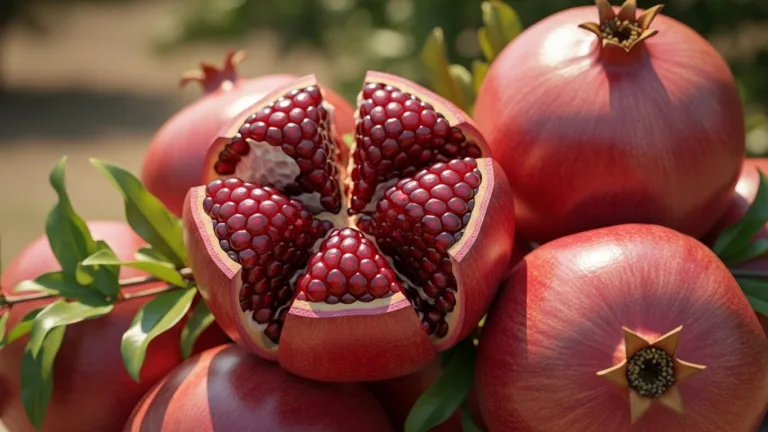
Have you ever cracked open a pomegranate and watched those ruby-red seeds tumble out like tiny jewels? If you live in Pakistan or love Pakistani fruits, you’re in for a treat! Pomegranates grown in Pakistan are famous for being incredibly sweet and juicy, but here’s the thing, you can’t just walk into a market any day of the year and expect to find the freshest ones. Just like mangoes have their special summer season, pomegranates have their own perfect time to shine.
So when exactly is pomegranate season in Pakistan? And why does it matter when you buy them? Let’s dive into the world of these amazing fruits and discover why timing is everything when it comes to getting the best pomegranates. Trust me, once you know when to look for them, you’ll never settle for a disappointing pomegranate again!
The Sweet Spot: When Pomegranates Take Over Pakistani Markets
In Pakistan, pomegranate season typically runs from September through January, with the absolute peak months being October and November. Think of it like this: if pomegranates were students, October and November would be when they’re showing off their best report cards! During these months, you’ll find the juiciest, sweetest, and most flavorful pomegranates flooding the markets across the country.
Different regions of Pakistan grow pomegranates at slightly different times. For example, areas like Quetta in Balochistan start harvesting as early as late August, while Punjab regions like Multan might see their peak harvest in October. The climate and weather patterns in each area affect exactly when the fruits are ready to pick. It’s nature’s way of making sure we get fresh pomegranates for several months instead of all at once!
Why Location Matters: Pakistan’s Pomegranate Powerhouses
Pakistan isn’t just growing pomegranates anywhere, there are specific regions that are absolutely legendary for their pomegranate production. Balochistan leads the pack, producing more pomegranates than any other province. The cities of Quetta, Kalat, and Mastung are especially famous for their sweet varieties. The cool mountain climate there creates the perfect conditions for pomegranates to develop that amazing sweet-tart flavor we all love.
Punjab is another major player in the pomegranate game. Areas around Multan, which is already known as the “City of Saints,” could also be called the “City of Amazing Fruits”! The region’s warm days and cooler nights during autumn help pomegranates develop their signature deep red color and incredible sweetness. At MultanFarms.com, farmers work hard to bring you pomegranates at their absolute peak of freshness during these crucial harvest months.
Khyber Pakhtunkhwa also grows excellent pomegranates, particularly in areas like Swat and Dir. These regions benefit from mountain climates that make the fruits extra crisp and flavorful. It’s like the pomegranates get their own natural air conditioning system, which helps them taste amazing!
What Makes Season-Fresh Pomegranates So Special?
You might be wondering, does it really matter when I buy my pomegranates? Can’t I just grab them whenever I see them? Well, here’s the deal: eating pomegranates during their natural season is like watching a movie in a theater versus watching it on a tiny phone screen. Sure, both work, but one experience is way better!
When you buy pomegranates during peak season (October and November), you’re getting fruits that were literally just picked from the trees. They haven’t been sitting in cold storage for months, losing their flavor and nutrients. Fresh seasonal pomegranates are bursting with juice, the seeds pop in your mouth with that satisfying crunch, and the taste is perfectly balanced between sweet and tangy.
Off-season pomegranates often come from cold storage or are imported from other countries. While they’re not necessarily bad, they just can’t compete with the freshness and flavor of locally grown, in-season fruits. It’s the difference between eating bread fresh from the oven versus bread that’s been sitting on the counter for three days. Both are edible, but you know which one you’d rather have!
How Farmers Know It’s Harvest Time
Pomegranate farmers don’t just randomly pick fruits and hope for the best. They use several tricks to know exactly when pomegranates are ready. First, they look at the color. Pomegranates should have that deep, rich red (or sometimes golden) color depending on the variety. If they’re still pale or pinkish, they need more time on the tree.
Farmers also tap on the pomegranates and listen to the sound. A ripe pomegranate makes a metallic, almost hollow sound when you tap it. It’s kind of like tapping on a drum versus tapping on a pillow, ripe ones have that resonant quality. The skin also changes texture, becoming slightly harder and tighter as the fruit matures. Some experienced farmers can even tell by weight, ripe pomegranates feel heavy for their size because they’re packed with juice!
The entire harvest process usually takes several weeks because not all pomegranates on a single tree ripen at the same time. Farmers carefully hand-pick each fruit when it reaches perfect ripeness. This attention to detail is what makes Pakistani pomegranates so highly regarded, not just locally but in export markets too!
Shopping Smart: Tips for Getting the Best Pomegranates
Now that you know when pomegranate season hits Pakistan, how do you actually pick the best ones when you’re at the market or ordering online? First, always look for fruits that feel heavy. A good pomegranate should feel heavier than it looks because it’s packed with those delicious seeds and juice. If it feels light, the seeds inside might be dried out.
Check the skin carefully. You want it to be firm and free from cracks or soft spots. A little bit of natural scarring is fine, that’s just where branches rubbed against the fruit, but avoid any that look damaged or moldy. The color should be deep and vibrant. Don’t worry if you see some brown on the crown (the flower end), that’s actually a sign of ripeness!
Here’s a cool trick: if you’re buying from a trusted source like MultanFarms.com during peak season, you can be pretty confident you’re getting quality fruits. Reputable farms time their harvests perfectly and only send out fruits that meet high standards. Plus, buying directly from farms often means you’re getting fruits that went from tree to your door in just a few days, which is about as fresh as it gets!
Beyond Fresh Eating: Enjoying Pomegranates All Year
Even though fresh pomegranates are only available for a few months, there are ways to enjoy their goodness throughout the year. Many families in Pakistan make pomegranate juice during peak season and freeze it in ice cube trays or containers. These frozen juice cubes can be added to drinks or thawed when you want a taste of autumn in the middle of summer!
You can also dry the seeds (called arils) in the sun or in a dehydrator. Dried pomegranate seeds, called “anardana,” are used in tons of Pakistani dishes to add a tangy flavor. They’re especially popular in chutneys and spice mixes. Some people even make pomegranate molasses by boiling down the juice until it becomes thick and syrupy. This concentrated form lasts for months and adds an amazing sweet-sour punch to cooking.
Why Supporting Local Pomegranate Farmers Matters
When you buy Pakistani pomegranates during their natural season, you’re doing more than just treating yourself to delicious fruit. You’re supporting local farmers and their families who work incredibly hard to grow these amazing fruits. Farming isn’t easy, it requires knowledge, patience, and a lot of physical work. By choosing locally grown pomegranates, especially from sustainable farms, you’re helping keep this important agricultural tradition alive.
Plus, buying local and seasonal is better for the environment! Think about it: when you buy pomegranates that were grown in Pakistan during their natural season, they didn’t have to be shipped halfway across the world on airplanes or kept in energy-guzzling refrigerators for months. That means fewer carbon emissions and less energy waste. It’s a small way each of us can make more environmentally friendly choices without even trying that hard.
The Bottom Line: Timing Is Everything
So, when is pomegranate season in Pakistan? Mark your calendar for September through January, with October and November being the absolute best months to enjoy these incredible fruits. During this time, markets overflow with fresh pomegranates, prices are usually more affordable because there’s plenty of supply, and most importantly, the flavor is unbeatable.
Whether you’re eating them fresh, drinking the juice, or adding them to salads and desserts, pomegranates during peak season offer an experience that’s worth waiting for. The next time autumn rolls around and you see those gorgeous red fruits appearing in markets, you’ll know exactly why everyone’s excited. It’s not just about eating fruit, it’s about experiencing Pakistan’s agricultural bounty at its very best.
Now here’s a question for you: this coming October, will you be ready to grab some fresh Pakistani pomegranates and experience their peak-season perfection? Your taste buds will definitely thank you!