Have you ever bitten into a juicy mango on a hot summer day or enjoyed warm, fresh roti at dinner? If you live in Pakistan or eat Pakistani food, you’re connected to something pretty amazing: the country’s harvesting seasons. But here’s something cool, Pakistan doesn’t just have one harvest season. Because of its diverse climate and geography, different crops are harvested at different times throughout the year!
Think of Pakistan as a giant natural calendar where different regions celebrate their own “harvest holidays” at different times. From the golden wheat fields of Punjab to the rice paddies of Sindh, farmers across the country work with nature’s rhythms to bring food to our tables. Understanding when and how these harvesting seasons work isn’t just interesting, it’s essential to understanding how millions of people live and eat. Let’s dive into the fascinating world of Pakistani agriculture and discover what makes each season special.
The Big Picture: Pakistan’s Agricultural Calendar
Pakistan’s harvesting seasons are divided into two main growing cycles: Rabi and Kharif. Don’t worry, these aren’t complicated science terms! Rabi (pronounced “rah-bee”) refers to winter crops that are planted around October and November, then harvested in April and May. Kharif (pronounced “kha-reef”) refers to summer crops planted around May and June, which are harvested from October to December.
Think of it like this: Rabi crops are like students who start school in fall and graduate in spring, while Kharif crops are like summer school students who start in spring and finish in fall. Each type of crop needs different weather conditions to grow properly. Rabi crops love the cooler winter months, while Kharif crops thrive in the hot, humid summer weather.
This dual-season system is brilliant because it means Pakistani farmers can grow food almost year-round! While one set of crops is growing in the fields, farmers are already planning and preparing for the next season. It’s like a never-ending cycle of planting, growing, and harvesting that keeps the country fed.
Spring Harvest: When Golden Fields Come Alive
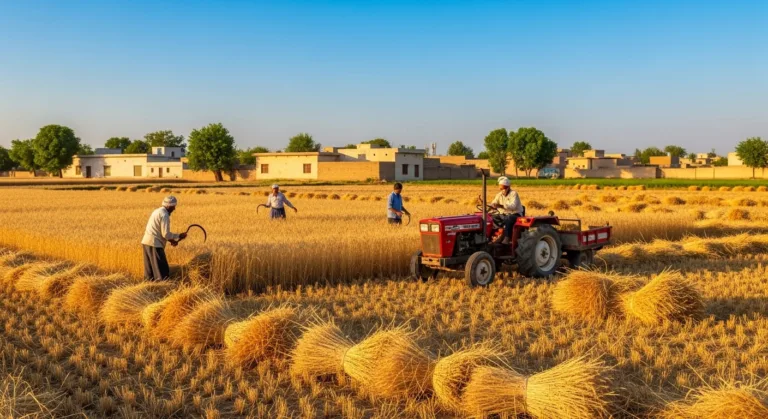
When spring arrives in Pakistan, usually from March to May, the countryside transforms into an ocean of gold. This is when the Rabi crops reach their peak, and the harvesting season kicks into high gear. The star of this season? Wheat, Pakistan’s most important food crop.
Imagine entire villages waking up before sunrise, families heading to the fields together, and the sound of harvesting machines (or sometimes traditional sickles) cutting through the morning air. In places like Punjab and Sindh, wheat harvesting is such a big deal that schools sometimes give students time off so they can help their families in the fields! The wheat harvest usually happens in April and May, and it’s a race against time because farmers need to collect the grain before the intense summer heat arrives.
But wheat isn’t alone during the spring harvest. Other Rabi crops like barley, gram (chickpeas), and mustard are also ready to be collected. Each crop requires different techniques and timing. For example, mustard is usually harvested a bit earlier than wheat, around February to March, when its yellow flowers have turned into seed pods.
Summer and Fall: The Kharif Harvest Season
As summer fades into fall, from October to December, Pakistan’s agricultural landscape changes completely. Now it’s time for the Kharif crops to shine, and this harvest season is just as important as the spring one. The two superstars of this season are rice and cotton.
Rice harvesting in areas like Sindh and southern Punjab is fascinating to watch. Unlike wheat, which turns golden and dry, rice plants stay green until they’re cut. Farmers often flood their rice paddies with water during growth, then drain them before harvest. It’s like the plants get to take a bath before they’re ready to be collected! The main rice harvest happens from October to November, and Pakistan grows so much rice that it exports tons of it to other countries.
Cotton harvesting is a whole different story. Cotton plants produce fluffy white bolls (that’s what we call the cotton balls that grow on the plants), and these need to be picked carefully. While some large farms use machines, many farmers still pick cotton by hand. This harvest can last several weeks because not all the cotton bolls open at the same time. It’s like popcorn kernels popping, each one ready at a slightly different moment!
Regional Differences: Pakistan’s Harvest Patchwork
Here’s where things get really interesting. Pakistan is a huge country with mountains, deserts, plains, and coastal areas. This means harvesting seasons can vary dramatically depending on where you are. What’s being harvested in Gilgit-Baltistan in the north might be completely different from what’s being collected in Karachi down south!
In the northern mountainous areas like Hunza and Skardu, apricots and cherries are harvested during summer, around June and July. Meanwhile, in the fertile plains around Multan (yes, that’s where Multanfarms.com is based!), farmers might be harvesting mangoes during the same time. Multan is actually famous for its delicious mangoes, and the harvest season from May to August is a big celebration. People from all over Pakistan wait eagerly for Multani mangoes to hit the markets!
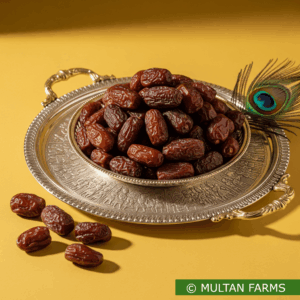
The southern province of Balochistan has its own unique harvest calendar. Because it’s drier and has different weather patterns, crops like dates are harvested there from August to October. Dates from Balochistan are so sweet and delicious that they’re considered some of the best in the world!
Why Timing Matters: The Science Behind the Seasons
You might be wondering, why can’t farmers just plant and harvest whenever they want? Well, it all comes down to weather, water, and plant biology. Each crop has specific requirements for temperature, sunlight, and rainfall. If you try to grow a winter crop in summer, it would be like asking you to run a marathon in a heavy winter coat, it just wouldn’t work!
Temperature plays a huge role. Wheat, for example, needs cool weather to develop properly. If it gets too hot too early, the grain won’t fill out completely, and farmers will get a poor harvest. On the other hand, rice loves warmth and humidity. That’s why it’s planted in summer when temperatures soar and monsoon rains provide plenty of water.
Water availability is another critical factor. Pakistan relies heavily on the Indus River system and monsoon rains for irrigation. The Rabi crops are planted after the monsoon season ends, when there’s still moisture in the soil. Kharif crops are planted right before or during the monsoon season, so they get the benefit of natural rainfall. It’s like nature has created a perfect system where water arrives exactly when certain crops need it most!
Modern Challenges and Traditional Wisdom
Pakistani farmers today face some tough challenges that their grandparents didn’t have to worry about. Climate change is making weather patterns less predictable. Sometimes the monsoon comes late, or there’s not enough rain. Other times, unexpected heatwaves or cold snaps can damage crops right before harvest. It’s like trying to plan a picnic when the weather app keeps changing its forecast!
Despite these challenges, many farmers still use traditional knowledge passed down through generations. They watch for natural signs like bird migrations, flower blooms, and even the behavior of insects to help them decide when to plant and harvest. This traditional wisdom, combined with modern technology like weather forecasting and improved seeds, helps farmers make the best decisions for their crops.
Organizations and agricultural experts are also working to help farmers adapt. They’re developing crop varieties that can handle extreme weather better and teaching sustainable farming practices. It’s a team effort to keep Pakistan’s harvesting seasons productive and reliable for future generations.
The Heart of Pakistan’s Food Security
Understanding Pakistan’s harvesting seasons isn’t just about knowing when mangoes are ripe or when wheat gets cut. It’s about recognizing how millions of people’s lives revolve around these cycles. When harvest season arrives, it brings hope, hard work, and celebration. Markets fill with fresh produce, families earn their income for the year, and everyone eats a little better.
From the golden wheat fields ready in spring to the cotton bolls opening in fall, each harvest season tells a story of human cooperation with nature. The farmers who wake up before dawn, the workers who spend long days in the fields, and the families who depend on successful harvests are all part of Pakistan’s agricultural heartbeat. Next time you enjoy Pakistani food, think about the journey it took from field to table, and maybe you’ll appreciate those flavors even more. What crops are being harvested in your area right now, and have you ever thought about visiting a farm during harvest season?