Have you ever pulled on your favorite woolly sweater, sipped hot chai by a heater, and watched fog roll in like a sneaky blanket over your backyard? That’s the magic of winter in Pakistan! But here’s a fun twist: winter doesn’t hit the same everywhere in our country. From snowy mountains to mild chills in the plains, it sneaks in at different times, and for farmers like us at Multan Farms, spotting its start is like checking the weather app before a big soccer game. What if I told you that knowing the winter start date in Pakistan can decide if your family’s roti comes from a bumper wheat crop or a skimpy one? Let’s dive in and uncover when winter arrives, how it varies, and why it’s a game-changer for growing food.
In this chatty adventure, we’ll explore the sneaky signals of winter’s arrival, zoom in on spots like Multan, and see how farmers gear up for the cool months. You’ll learn cool facts about chilly winds and frosty mornings, plus tips that might make you the family weather expert. Ready to bundle up and get started?
What Makes Winter Show Up in Pakistan?
Pakistan sits in a spot where seasons play by their own rules, thanks to big mountains, wide rivers, and hot deserts. Winter isn’t some exact calendar date like your birthday; it’s more like when the air turns crisp and you start craving pakoras. Generally, it creeps in around mid-November to early December, but the Pakistan Meteorological Department (PMD) calls the shots based on dropping temperatures and those first chilly breezes.
Think of it like this: summer is the loud party that lasts forever, but winter is the quiet friend who arrives fashionably late. In 2025, the PMD announced winter would officially start by the end of October in Punjab, with cooler days and a sprinkle of rain signaling the shift. That’s earlier than usual, like winter crashing the autumn party early! But don’t worry, it’s not freezing yet, just a gentle nudge toward sweater weather.
Did you know? Pakistan’s winter lasts until February or March, making it the shortest season, but it packs a punch with foggy mornings that can last all day in the plains.
Winter’s Arrival: A Tour Across Pakistan’s Neighborhoods
Our country is like a big patchwork quilt, with each piece feeling winter differently. Up north in places like Murree or Swat, snowflakes start dancing as early as October, turning hills into playgrounds for snowball fights. That’s because cold air from the Himalayas rushes down like an icy slide, dropping temps to zero or below.
In the bustling plains of Punjab and Sindh, winter takes a chill pill and arrives in November. Lahore might see misty mornings by late October, while Karachi gets a milder version, with temps hovering around 15-20°C, perfect for beach walks in a light jacket. Balochistan’s deserts? They go from scorching to surprisingly snappy by December, with winds that whip up sandstorms mixed with cool air.
At Multan Farms, right in the heart of Punjab, winter often whispers in around mid-November. Last year, we felt that first real dip on November 15, when the mercury fell to 10°C overnight. It’s like the season is teasing you, warm one day and bundled-up chilly the next!
How Farmers at Multan Farms Spot Winter’s Sneaky Start
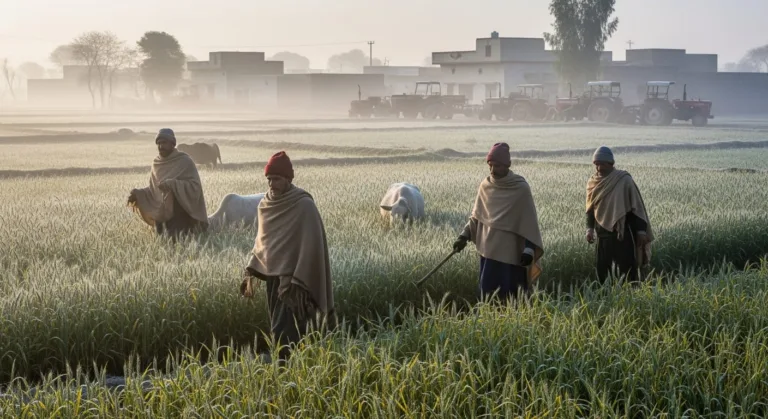
Farmers don’t wait for fancy forecasts; we watch the signs like hawks. The winter start date in Pakistan for us means checking the sky for those low-hanging clouds that promise gentle rains, or feeling the soil turn crumbly and cool under your fingers. It’s planting time for Rabi crops – that’s the fancy word for winter goodies like wheat, mustard greens, and chickpeas that love the cooler vibes.
Imagine your garden as a picky eater: summer crops like okra guzzle heat, but winter ones, like spinach, prefer a cozy salad bar. We sow wheat seeds from October to December, right when winter knocks. In 2025, with the early start announced for late October, farmers in Multan kicked off planting sooner to catch those precious cool days. Too early, and heat zaps the sprouts; too late, and frost nips their toes.
Here’s a quick list of our go-to winter crops at Multan Farms:
- Wheat: The king of grains, planted in November for a March harvest
- Vegetables like carrots and peas: They pop up sweet and crunchy in the chill
- Oilseeds like mustard: For that golden oil in your kitchen
One year, a sneaky early frost in December caught us off guard, turning tender shoots into sad popsicles. Lesson learned: always have a backup blanket of mulch ready!
The Good, the Frosty, and the Tricky Side of Winter Farming
Winter brings gifts, but it can be a bit of a prankster too. On the plus side, cooler temps mean less water guzzling for crops – irrigation drops by half compared to summer’s thirsty days. At Multan Farms, we love how wheat waves like a golden sea under mild December sun, growing strong without wilting.
But oh boy, the challenges! Fog can blanket fields for weeks, making it hard to spot pests or even drive tractors. And if rains play hide-and-seek, like the 40% drop we saw in Punjab this winter leading to droughts, harvests shrink fast. One farmer in Multan told us his wheat yield dipped 30% last season because no rain meant stressed plants, like kids cramming without snacks.
Analogy time: Winter farming is like training for a marathon in the rain – refreshing at first, but if it turns to a storm, you need a raincoat (or in our case, better irrigation tech). Climate change is shaking things up too, with winters getting shorter and droughts sneakier, pushing us to plant tougher varieties.
Did you know? In northern Pakistan, winter snow acts like a giant freezer, storing water that melts into rivers for summer farms. Without it, we’d be in a real pickle!
Real Stories from the Fields: Winter Wins and Wobbles
Let’s make this real with some tales from the ground. Take Uncle Rafiq from a village near Multan: In November 2024, he planted chickpeas just as winter arrived with a soft rain shower. By February, his fields burst with pods, selling enough to buy his kids new bikes. “Winter’s rain is like a free gift from the sky,” he grins.
Contrast that with 2025’s dry spell in Punjab. Farmer Aisha in our neighborhood watched her mustard fields yellow early due to no winter rains, losing half her crop. “It’s like inviting friends to a party but forgetting the snacks,” she laughed through the worry. These stories show why tracking the winter start date in Pakistan isn’t just weather talk – it’s about real families and full bellies.
Another example: During a foggy December in 2023, we at Multan Farms switched to LED lights in greenhouses to trick veggies into thinking it’s sunny. Boom – extra spinach harvest that kept markets stocked through January!
Fun Facts to Warm Your Winter Curiosity
- Pakistan’s coldest spot? Skardu, where temps plunge to -20°C in January, colder than your freezer!
- Winter fog in Lahore can reduce visibility to 50 meters, turning the city into a mystery novel scene.
- Farmers use “vernalization” – a big word for giving seeds a cold nap so they grow better later. It’s like hitting pause on a video game to level up.
- In Multan, winter means bonfires of crop leftovers, but we do it smart now to cut smog and keep the air cleaner.
These nuggets make winter feel like a treasure hunt, right?
Why Winter’s Start Matters More Than You Think
So, wrapping this up like a cozy shawl: The winter start date in Pakistan usually lands in late October to mid-November, varying by spot – early chills in Punjab like Multan, snow parties up north. For farmers at Multan Farms, it’s the green light for planting Rabi stars like wheat, battling fog and droughts with clever tricks, and hoping for those life-giving rains.
This season isn’t just about pulling out jackets; it’s the backbone of our food supply, turning cool fields into the grains and greens that fuel your school lunches and family feasts. Understanding it helps us all cheer for better weather and smarter farming, keeping Pakistan’s plates full.
Next time you spot that first foggy dawn, what will you do – brew some tea and thank a farmer, or dream up your own winter crop idea? Drop by Multan Farms someday; we’d love to show you how we make winter work wonders. Stay warm and keep wondering!