Have you ever wondered why tomatoes sometimes cost a fortune at the market, but other times they’re super cheap? The answer lies in something called growing seasons! Just like you wouldn’t wear a winter coat in summer, tomato plants have specific times of the year when they grow best. Understanding when tomatoes thrive in Pakistan can help you appreciate the journey these juicy red fruits take before landing on your dinner plate.
Tomatoes are one of Pakistan’s most important vegetables, grown across the entire country from the busy cities of Punjab to the cool mountains of Balochistan. But here’s the interesting part: different regions grow tomatoes at different times of the year, and farmers have to be really smart about when they plant their seeds. Get the timing wrong, and you might end up with no tomatoes at all!
In this article, we’ll explore the best times to grow tomatoes in Pakistan, discover why temperature matters so much for these plants, learn about the different growing seasons across the country, and find out how farmers deal with Pakistan’s challenging climate. Ready to become a tomato expert? Let’s dig in!
Why Temperature Is Everything for Tomatoes
Think of tomato plants like Goldilocks from the fairy tale, they need things to be just right. If it’s too hot, the plants get stressed out and stop making tomatoes. If it’s too cold, they might die completely. The sweet spot for tomatoes is between 25°C to 29°C, which is actually pretty warm but not scorching hot.
Here’s something cool: tomato plants are super sensitive to extreme temperatures. When temperatures go above 32°C or drop below 10°C, the flowers won’t develop properly, which means no tomatoes! It’s like trying to bake a cake at the wrong temperature, the recipe just won’t work. This is why farmers in Pakistan have to carefully plan when they plant their tomatoes based on their local weather patterns.
Frost is tomato plants’ worst nightmare. Imagine stepping outside on a freezing winter morning and feeling that icy air, tomato plants can’t handle that at all. Even light frost can damage or completely destroy tomato plants, which is why farmers in colder areas like Islamabad, Peshawar, and Lahore have to either use protective coverings or avoid growing tomatoes during the coldest months. It’s like giving the plants a warm blanket to survive the winter!
The Three Main Growing Seasons in Pakistan
Pakistan doesn’t just have one tomato season, it actually has three different growing periods! This is because Pakistan is a big country with lots of different climates. What works in hot Karachi won’t necessarily work in cool Quetta. Let’s break down these seasons so you can understand how farmers plan their crops.
The Early Crop Season kicks things off between July and August. Farmers sow seeds in July-August, transplant young plants to fields in August-September, and start harvesting in November. This timing is perfect because it avoids the super hot summer months and aims to have tomatoes ready when the weather starts cooling down. Think of it as getting ahead of the game!
The Fall Season follows right after. Seeds are planted in September, transplanted in October, and harvested in December or January. This season works great in areas where frost isn’t a big problem. However, if you live somewhere that gets really cold in December, this season might not work for you. Farmers have to know their local climate really well to decide if this season is worth trying.
The Spring Season is the third major growing period. Nursery seeds are sown in mid-November, transplanted to fields in February, and harvested in May-June. This season is super popular because it takes advantage of the mild spring weather. The plants grow during cooler months and produce fruit just as the weather starts warming up. It’s perfect timing!
How Different Regions Handle Tomato Growing
Pakistan’s diverse geography means that tomato growing looks different depending on where you are. It’s kind of like how kids in Alaska have totally different school experiences than kids in Florida, location matters a lot!
In cities like Karachi, which stays warm pretty much all year, farmers have way more flexibility. Tomatoes can be sown in October, November, February, and March, giving farmers multiple opportunities throughout the year. Some clever gardeners in Karachi even start new tomato seedlings every month from July to March to have a continuous supply of fresh tomatoes. Imagine having homegrown tomatoes available almost all year long!
Northern areas like Islamabad, Rawalpindi, Peshawar, and Lahore face bigger challenges because of colder winters. Farmers in these regions need to be more careful about timing and often use protective measures. Some use plastic sheets or tunnels to cover their plants on cold nights, kind of like tucking them into bed with an extra blanket. This protection can make the difference between a successful crop and losing everything to frost.
The mountainous regions like parts of Balochistan and the northern valleys have even more extreme conditions. During hot summer and monsoon months from June to August, tomato production shifts from lowlands to cooler, dryer highlands. This is super smart because farmers are essentially following the comfortable temperatures up and down the mountains, kind of like how birds migrate to find the best weather!
The Journey from Seed to Harvest
Ever wonder what happens between planting a tiny seed and picking a juicy tomato? The process is pretty fascinating and takes a lot of patience. From start to finish, growing tomatoes is like running a relay race where each stage has to be completed perfectly for success.
It all begins in the nursery, which is like a plant kindergarten. Farmers prepare special beds with a mixture of farmyard manure, soil, and sand mixed equally. Seeds are covered with transparent polyethylene sheets until they germinate, which takes about 7-14 days. This plastic covering creates a warm, moist environment that seeds love. Once the little seedlings pop up, the plastic comes off so they can get fresh air.
The seedlings need to grow bigger and stronger before they’re ready for the real world. After about four to five weeks in the nursery, they’re ready for transplanting. But you can’t just yank them out and stick them in the ground! The seedlings need to be “hardened,” which means gradually getting them used to outdoor conditions. It’s similar to how you might adjust to a cold pool by starting in the shallow end, the plants need time to adapt too.
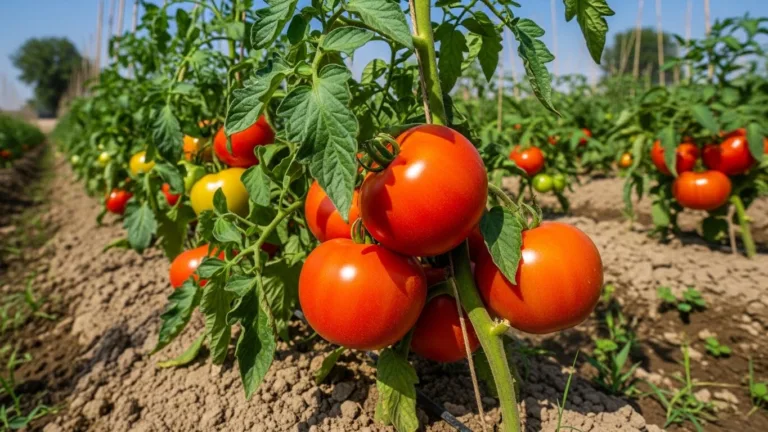
Once in the field, the waiting game begins. Most tomato varieties take about 60-90 days from planting to harvest, though some can take even longer. During this time, farmers have to water the plants regularly, protect them from pests, and watch for diseases. The plants flower, those flowers turn into tiny green tomatoes, and gradually the tomatoes grow bigger and change color until they’re ready to pick. It’s like watching a slow-motion transformation!
Challenges Farmers Face Throughout the Season
Growing tomatoes in Pakistan isn’t always easy. Farmers face a bunch of obstacles that can make or break their harvest. Understanding these challenges helps us appreciate how hard people work to put food on our tables.
The most difficult period for tomato production in the plains is from mid-May to June when day and night temperatures are very high, and during monsoon season (July-August) when there’s rapid development of pests, diseases, and weeds. During these times, it’s like the plants are under attack from all sides! The extreme heat stresses them out, and the heavy monsoon rains create perfect conditions for plant diseases to spread.
Humidity is another sneaky problem. When humidity levels get higher than 60%, disease problems increase significantly. Think of it like this: diseases are like mold in a damp bathroom, they love moisture! In humid conditions, fungal diseases can spread through a tomato field incredibly fast, potentially destroying an entire crop in just days. Farmers have to stay vigilant and take action quickly when they spot problems.
Temperature extremes cause their own unique issues. When it gets too hot, tomato plants can develop something called “blossom end rot,” which is a brown, mushy spot on the bottom of the fruit. When it’s too cold, flowers might not form properly, or the plant might just stop growing altogether. It’s a delicate balancing act that requires farmers to monitor weather forecasts constantly and be ready to take protective action.
Smart Solutions and Modern Techniques
The good news is that Pakistani farmers aren’t just sitting around hoping for good weather, they’re using smart techniques to overcome challenges and improve their tomato production. These innovations are changing the game and making it possible to grow tomatoes more reliably.
Greenhouse and tunnel farming is becoming increasingly popular, especially for off-season production. Greenhouses are like controlled environments where farmers can regulate temperature, humidity, and even protect plants from pests. With greenhouse farming, tomatoes can be grown throughout the year, which means fresh tomatoes even when outdoor conditions would make farming impossible. It’s like having a climate-controlled room for plants!
Choosing the right tomato variety for each season is super important. Different varieties have different strengths. For example, some varieties like “Rio Grande” are specifically recommended for fall sowing, while “Roma VF” and “Tropic” work better for early season and spring planting. Some varieties handle humid conditions better, while others are more resistant to common diseases. It’s like picking the right tool for each job!
Farmers are also getting better at timing their plantings to match market demand. Remember how tomato prices sometimes skyrocket? That usually happens when there aren’t enough tomatoes available. Smart farmers plant their crops so they’ll be ready to harvest during these shortage periods. In Karachi, for example, some farmers sow tomatoes in months that will give them fruit when there’s a shortage, allowing them to sell at better prices. That’s not just farming, that’s business strategy!
Why Growing Seasons Matter to Everyone
You might be thinking, “This is all interesting, but why should I care about when tomatoes are grown?” Well, understanding growing seasons affects you more than you might realize, even if you never plan to grow a single tomato plant yourself!
First, it explains price fluctuations at the market. When you see tomatoes selling for crazy high prices, it’s often because they’re out of season and in short supply. When prices drop super low, it’s because farmers have harvested tons of tomatoes all at once. Knowing this can help your family plan grocery shopping better and maybe even save money by buying tomatoes when they’re abundant and cheap.
Understanding seasons also connects you to local agriculture and the farmers who feed your community. Every tomato you eat represents months of work, careful planning, and battling challenges like weather, pests, and diseases. When you appreciate this process, you’re less likely to waste food because you understand the effort behind it.
Finally, learning about tomato growing seasons teaches important lessons about working with nature rather than against it. Farmers can’t force tomatoes to grow in conditions that don’t suit them. They have to understand natural cycles, respect climate limitations, and plan accordingly. This wisdom applies to many areas of life, sometimes you need to wait for the right conditions rather than forcing things to happen.
How Multanfarms.com Connects You to Quality Produce
So where do your tomatoes actually come from, and how do they get from farms to your kitchen? Understanding this connection helps you make better choices about the food you eat.
Multanfarms.com works to bridge the gap between farmers and consumers, especially in the Multan region which is known for its agricultural excellence. Multan’s climate and soil conditions make it one of the prime areas for growing various crops, including high-quality tomatoes. By connecting directly with local farmers who understand the best growing seasons and techniques, Multanfarms.com helps ensure you get fresh, seasonal produce.
The advantage of working with platforms that connect directly to farmers is freshness. When there are fewer stops between the farm and your table, tomatoes stay fresher and taste better. Think about it: a tomato picked yesterday always tastes better than one that’s been traveling for a week! This direct connection also helps farmers get fair prices for their hard work.
Seasonal awareness is built into this model. When you order tomatoes during peak season from Multanfarms.com, you’re getting produce that was grown under optimal conditions. These tomatoes probably grew during their ideal temperature range, received the right amount of water and sunlight, and were harvested at peak ripeness. The result? Better taste, better nutrition, and better value for everyone involved.
What You Can Do With This Knowledge
Now that you understand tomato growing seasons in Pakistan, you can put this knowledge to practical use. Even if you’re not a farmer, there are several ways to benefit from what you’ve learned.
If you’re interested in home gardening, you now know the best times to try growing your own tomatoes based on where you live. If you’re in a warmer city, you might experiment with planting at different times to see what works best. If you’re in a colder area, you’ll know to protect your plants or wait until after the last frost. Even a small container garden on a balcony or rooftop can produce amazing tomatoes if you time things right!
You can also become a more informed shopper. When you understand that tomatoes are naturally more expensive during certain months, you won’t be surprised by price changes. You might even plan family meals around when tomatoes are most affordable and flavorful. Some families preserve tomatoes when they’re cheap and abundant (by making sauce or paste) to use during expensive months. That’s smart shopping!
Finally, you can share your knowledge with others. Talk to your family about what you’ve learned. Maybe suggest visiting a farm or farmers market to see where your food comes from. The more people understand agriculture and growing seasons, the more they’ll appreciate the food they eat and the farmers who produce it.
The Future of Tomato Farming in Pakistan
As we look ahead, tomato farming in Pakistan faces both challenges and opportunities. Climate change is making weather patterns more unpredictable, which complicates the careful timing that tomato growing requires. Farmers are having to adapt by trying new varieties, using more protective structures like greenhouses, and being more flexible with their planting schedules.
Technology is also changing the game. Better weather forecasting helps farmers make smarter decisions about when to plant. New tomato varieties are being developed that can handle heat better or resist common diseases. Even simple technologies like drip irrigation systems help farmers use water more efficiently and grow better crops.
The growing demand for fresh, local produce means there’s a bright future for tomato farmers who can master the art of seasonal growing. As cities expand and more people want to know where their food comes from, farmers who understand their local growing seasons and produce high-quality tomatoes will thrive.
Your Tomato Journey Continues
So there you have it, the fascinating world of tomato growing seasons in Pakistan! You’ve learned that timing is everything, that different regions have different opportunities, and that growing tomatoes requires careful planning and hard work. You now understand why those tomatoes in your salad cost more in some months than others, and you appreciate the journey from seed to harvest.
The next time you bite into a fresh tomato, take a moment to think about its story. Was it grown during the spring season? Did a farmer carefully transplant it from a nursery during the perfect weather window? Did it survive the challenging monsoon season or the scorching summer heat? Each tomato has its own unique journey.
Here’s something to think about: knowing what you now know about tomato growing seasons in Pakistan, would you ever consider trying to grow your own tomatoes? What season would you choose based on where you live? Whether you decide to plant some seeds or simply appreciate tomatoes more when you eat them, you’re now connected to the amazing process of growing food in Pakistan’s diverse climate. And that’s pretty cool!