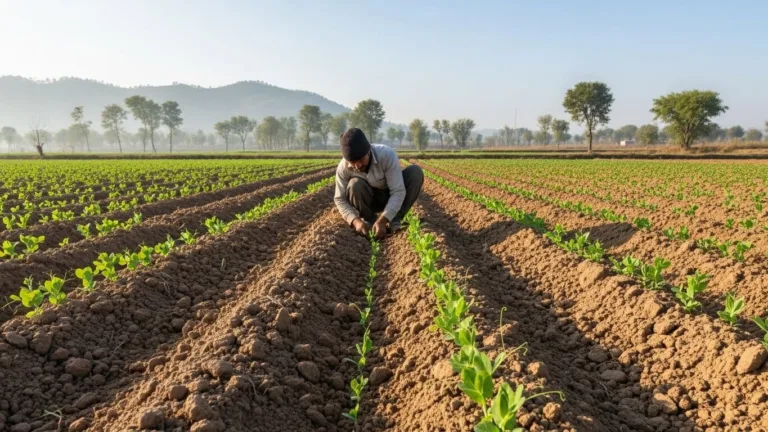
Have you ever bitten into a fresh, sweet pea straight from the pod? There’s nothing quite like it! But here’s something you might not know: getting those delicious peas to your plate starts with planting them at exactly the right time. In Pakistan, timing is everything when it comes to growing peas. Plant them too early or too late, and you might end up with a disappointing harvest or no peas at all. It’s kind of like showing up to a movie, if you arrive at the wrong time, you’ll miss the best parts!
Peas are one of Pakistan’s favorite winter vegetables, and they grow in fields from Punjab to Khyber Pakhtunkhwa. But why does timing matter so much? Well, peas are pretty picky about their growing conditions. They’re like Goldilocks from the fairy tale, they don’t want it too hot, too cold, or too wet. They want everything just right. Understanding when to plant peas can mean the difference between a garden full of crisp, tasty pods and a bunch of withered plants that never produce anything.
At Multanfarms.com, farmers know that success with peas comes down to working with nature’s calendar, not against it. Whether you’re planning a small garden at home or you’re curious about how professional farmers do it, learning about pea planting times will give you a whole new appreciation for those green veggies on your dinner plate. Let’s dig into the details and discover the secrets of perfect pea planting in Pakistan!
Why Does Planting Time Matter So Much for Peas?
Imagine trying to go ice skating in the middle of summer or swimming at the beach in winter. It just wouldn’t work, right? The same thing applies to peas. They need specific temperature conditions to germinate (that means to sprout from seeds) and grow properly. If you plant them when it’s too hot, the seeds might not even sprout. If you plant them when it’s too cold, they’ll just sit in the ground doing nothing, or worse, they might rot before they get a chance to grow.
Peas are what we call a cool-season crop. This means they love the cooler temperatures of fall and winter. In Pakistan’s climate, the scorching summer heat would actually kill pea plants or prevent them from producing those tasty pods we want to eat. The plants can handle a little cold, they can even survive light frost, but they really thrive when daytime temperatures are mild and nights are cool. Think of it as their comfort zone, not too different from how you probably prefer certain temperatures in your room.
Another reason timing matters is rainfall and moisture. Peas need consistent moisture to grow, but they don’t like being waterlogged (sitting in too much water). Different planting times align with Pakistan’s weather patterns, helping farmers take advantage of natural rainfall while avoiding the super-wet monsoon season. Getting the timing right means you’re working with nature instead of fighting against it, and that’s always a smart move in farming.
The Perfect Planting Window for Pakistani Peas
So when exactly should you plant peas in Pakistan? The golden window is typically from mid-October to mid-November across most of the country. This timing works perfectly because it allows the seeds to germinate in comfortable temperatures and the plants to mature during the cooler winter months. By the time the weather starts heating up again in late winter or early spring, your peas will be ready to harvest!
However, Pakistan is a big country with different climate zones, so the exact timing can vary a bit depending on where you live. In the northern regions like parts of Khyber Pakhtunkhwa, where it gets colder earlier, farmers might plant in early October. In the southern parts of Punjab or Sindh, where temperatures stay warmer longer, mid to late November might be better. It’s like how school schedules might vary slightly in different cities, the basic idea is the same, but local conditions matter.
At Multanfarms.com, experienced farmers pay close attention to local weather patterns each year. Some years might be warmer or cooler than average, which could shift the ideal planting time by a week or two. Professional farmers often check soil temperature (the ground should be around 45-70°F or 7-21°C), look at weather forecasts, and even consider the lunar calendar. Yes, some farmers believe that planting during certain moon phases can affect growth, though this is more traditional wisdom than proven science.
What Happens If You Plant at the Wrong Time?
Let’s say you’re super excited about growing peas and you plant them in August, right after summer break. What would happen? Unfortunately, not much that’s good! The seeds would struggle in the intense heat. They might not sprout at all, or if they do manage to germinate, the young seedlings would likely wilt and die in the scorching temperatures. It would be like asking you to run a marathon in 110°F heat, technically possible, but really not a good idea.
On the flip side, what if you wait too long and plant in January? You’d face different problems. The seeds might germinate slowly because the soil is quite cold. Even if the plants grow, they won’t have enough time to mature and produce pods before the weather gets hot again in March or April. It’s like starting to study for a test the night before, you might learn something, but you won’t have enough time to do your best.
There’s also the issue of pests and diseases. Planting at the wrong time can make your pea plants more vulnerable to problems. For example, if plants are stressed by heat, they’re more likely to get attacked by insects or infected by diseases. It’s similar to how you’re more likely to catch a cold when you’re tired and run-down. Healthy plants growing in their ideal conditions are much better at defending themselves against these threats.
Different Types of Peas and Their Timing Needs
Did you know there are actually several different types of peas? Each type has slightly different needs when it comes to planting time. Garden peas (also called English peas or shelling peas) are the traditional type where you open the pod and eat the peas inside. These are the most common in Pakistan and do best when planted in late October to early November.
Then there are snow peas and snap peas, which are varieties where you eat the whole pod, not just the seeds inside. These are becoming more popular in Pakistani gardens and markets. Snow peas can handle slightly cooler temperatures, so some farmers plant them a bit earlier, maybe in mid-October. Snap peas are somewhere in between and usually follow the same schedule as garden peas.
At places like Multanfarms.com, farmers might plant different varieties at slightly different times. This strategy is called succession planting, and it’s pretty clever. By planting every week or two throughout the ideal window, farmers can harvest fresh peas over a longer period instead of getting everything ready at once. It’s like spreading out your favorite dessert over several days instead of eating it all at once, you get to enjoy it longer!
How Pakistan’s Climate Zones Affect Pea Planting
Pakistan’s geography is incredibly diverse, from coastal areas to high mountain valleys, and this affects when and how peas are grown. In the Punjab plains, where much of Pakistan’s agriculture happens, the mid-October to mid-November window works perfectly. The temperatures drop to comfortable levels, and there’s usually enough moisture in the soil from any early winter rains.
Up in the northern areas and parts of Khyber Pakhtunkhwa, things get cold much earlier. Here, farmers might start planting in late September or early October to make sure the plants get established before the really cold weather arrives. These regions can grow peas that other areas can’t because the climate stays cooler longer. It’s kind of like how some of your classmates might wear jackets in weather that you find comfortable, everyone has different temperature preferences!
In the southern regions and coastal areas, the weather stays warmer well into November or even December. Farmers here need to be patient and wait until temperatures cool down enough for peas to thrive. Some coastal areas might even skip pea farming altogether because it never gets quite cool enough for long enough. Understanding your specific local climate is super important, and this is where experienced farmers and resources like Multanfarms.com become valuable guides.
Tips for Successful Pea Planting at Home
Want to try growing your own peas? It’s actually a great project, and peas are one of the easier vegetables to grow! First, make sure you’re planting during that sweet spot we talked about, mid-October to mid-November for most of Pakistan. Get your seeds from a reliable source (local nurseries or agricultural centers usually have good quality seeds).
Prepare your soil by making sure it drains well. Peas hate sitting in waterlogged soil, so if your garden tends to get muddy, you might need to add some sand or compost to improve drainage. Plant the seeds about an inch deep and a few inches apart. If you’re planting rows, space them about a foot or two apart so the plants have room to grow. Water them gently after planting, but don’t drown them!
Here’s a cool tip: peas can actually improve your soil! They’re part of a plant family called legumes, and they have a superpower. They can take nitrogen from the air and convert it into a form that enriches the soil. It’s like they’re making their own fertilizer! After you harvest your peas, the roots left in the ground will make the soil better for whatever you plant next. This is why many farmers, including those at Multanfarms.com, include peas in their crop rotation plans.
Understanding the Growing Season After Planting
Once you’ve planted your peas at the right time, what happens next? Over the next week or two, you’ll start to see little green shoots poking up through the soil. It’s one of the most exciting moments in gardening! As the plants grow taller, they’ll develop delicate vines and tendrils that like to climb. Many gardeners provide small stakes or trellises (like a ladder for plants) to help support the growing vines.
The plants will start flowering about a month or so after sprouting. These flowers are actually really pretty, usually white or purple, and they’re a sign that peas are on the way! After the flowers are pollinated (often by bees and other insects), the pods start to form. This whole process from planting to harvest usually takes about 60-70 days, though it can vary depending on the variety and growing conditions.
By late January through March, depending on when you planted, your peas should be ready to harvest. You’ll know they’re ready when the pods are full and firm, and you can see the peas bulging inside. This is where timing your planting in October or November really pays off, you’re harvesting during the pleasant winter months before the spring heat arrives. Perfect timing means perfect peas!
Bringing It All Together
So there you have it, the secret to growing amazing peas in Pakistan all comes down to timing! By planting between mid-October and mid-November, you’re giving your peas the cool temperatures they love and the time they need to mature before the heat returns. Whether you’re in the northern mountains or the southern plains, understanding your local climate and adjusting your planting time accordingly is the key to success.
Remember, farming isn’t just about throwing seeds in the ground and hoping for the best. It’s about understanding nature’s rhythms and working together with the seasons. The farmers at Multanfarms.com and others across Pakistan have mastered this art through years of experience, and now you know their secrets too! Growing food connects us to the earth and helps us appreciate where our meals come from.
Have you ever thought about planting a small vegetable garden? What would you grow first, and would you be patient enough to wait for the perfect planting time?