Have you ever gone to the grocery store with your parents and noticed that the price of eggs seems different almost every time you visit? Maybe last month a dozen eggs cost one amount, and this month they’re suddenly more expensive. If you’ve been curious about why this happens, you’re not alone! Understanding egg prices, especially for something called “desi eggs,” can actually teach you a lot about how food gets from farms to your table.
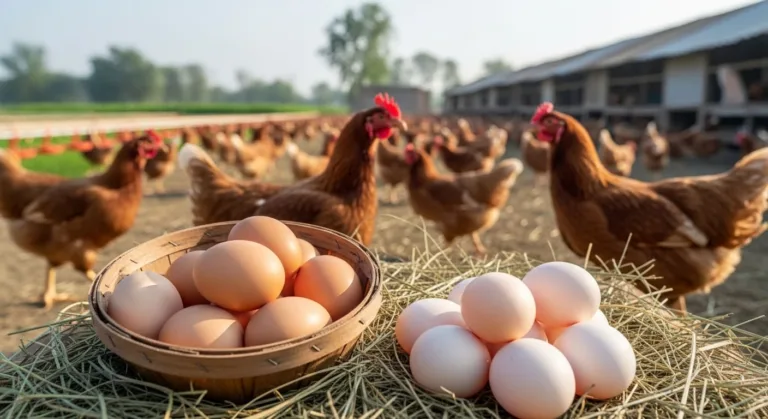
So what exactly are desi eggs, and why should you care about their prices? Desi eggs come from chickens that are raised in a more traditional, free-range way, kind of like how your great-grandparents might have raised chickens in their backyard. These chickens aren’t kept in tiny cages, they get to roam around, eat natural foods, and live more like, well, regular chickens! Because of this different lifestyle, desi eggs often look and taste a bit different from regular store eggs, and their prices can change for all sorts of interesting reasons. Let’s dig into this egg-citing topic and discover what makes egg prices go up and down!
What Makes Desi Eggs Special?
Think about the difference between a homemade pizza and one from a fast-food restaurant. The homemade version usually takes more time, uses fresher ingredients, and tastes different, right? That’s kind of like the difference between desi eggs and regular commercial eggs!
Desi chickens, also called country chickens or backyard chickens, live very differently from chickens in large commercial farms. They spend their days scratching in the dirt, hunting for insects, and eating a variety of natural foods. This lifestyle means they don’t lay as many eggs as commercial chickens, who are specially bred to produce tons of eggs quickly. A desi hen might lay only 3-4 eggs per week, while a commercial hen can lay almost one egg every single day!
Because desi chickens produce fewer eggs and require more space and care, their eggs usually cost more. It’s like comparing a handmade craft to something mass-produced in a factory. Both are useful, but one takes more time and individual attention.
Why Do Egg Prices Change So Often?
Imagine you’re selling lemonade on your street. On a hot summer day, everyone wants to buy your lemonade, so you might charge a bit more. But if it suddenly gets cold and rainy, you might need to lower your prices to sell any lemonade at all. Egg prices work in a similar way, but with more factors involved!
Chicken Feed Costs: Chickens need to eat, just like you do! When the price of chicken feed (mostly grains like corn and wheat) goes up, farmers have to spend more money feeding their chickens. This means they need to charge more for eggs to cover their costs. If there’s a drought in farming areas or if grain prices jump up for any reason, you’ll see egg prices rise too.
Weather and Seasons: Hot weather can make chickens stressed and cranky, and stressed chickens don’t lay as many eggs. During really hot summers or harsh winters, egg production can drop, which means fewer eggs available in stores. When there’s less of something people want, prices usually go up. It’s basic supply and demand, which you might have learned about in social studies class!
Special Occasions and Festivals: In many cultures, eggs are especially popular during certain times of the year. Around holidays or special celebrations, more people want to buy eggs for cooking and baking. This increased demand can push prices higher temporarily.
How Farmers Decide on Egg Prices
Farmers aren’t just randomly picking numbers out of a hat when they set egg prices. They have to think about lots of different things, kind of like when you budget your allowance money.
First, farmers calculate all their costs. This includes chicken feed, water, electricity for heating or cooling the chicken houses, veterinary care for sick chickens, and even the cost of the cartons eggs come in. Then they need to add a little extra so they can actually make some money for all their hard work. After all, raising chickens is a full-time job!
For desi eggs specifically, farmers often charge more because these chickens require more space, eat more expensive natural foods, and produce fewer eggs overall. It’s like comparing the cost of organic vegetables to regular ones at the supermarket. The organic farmer has higher costs, so they need to charge more to stay in business.
What Affects Today’s Desi Egg Rate?
When you see “desi egg rate today” on a website like Multanfarms.com, you’re looking at a snapshot of current prices based on several real-time factors. These prices can literally change from day to day!
Local Supply: If lots of desi chickens in your area are laying eggs this week, prices might be lower. If fewer eggs are being produced, prices go up. It’s that simple supply and demand thing again!
Transportation Costs: Eggs have to get from farms to markets. When fuel prices increase, it costs more to transport eggs, and those costs get passed on to you. This is especially true for desi eggs, which often come from smaller farms that might be farther from cities.
Market Demand: If more people suddenly decide they want healthier, natural eggs (which desi eggs are known for being), the increased demand can drive prices up even if the supply stays the same.
How Can You Track Egg Prices?
Websites like Multanfarms.com help people stay informed about current egg prices. These sites collect information from various sources and update their prices regularly, sometimes even daily! This is super helpful for families trying to budget their grocery money or for small restaurant owners who need to buy eggs in bulk.
Checking these websites is like checking the weather forecast before planning a picnic. You want to know what to expect so you can make smart decisions. If you see that desi egg prices are particularly high this week, your family might decide to wait a few days to buy them, or maybe choose regular eggs instead.
Why Understanding Food Prices Matters
You might be thinking, “Why should I care about egg prices? I’m just a student!” But understanding how food pricing works is actually a valuable life skill. When you know why prices change, you become a smarter shopper and a more informed consumer.
Plus, thinking about where your food comes from and how it reaches your plate helps you appreciate the work farmers do. Every egg you eat represents a farmer’s hard work, a chicken’s daily routine, and a whole chain of people working to get that egg safely to your kitchen. That’s pretty amazing when you think about it!
Learning about desi eggs and their prices also teaches you about making choices. Is it worth paying more for eggs from chickens that lived better lives? That’s a question families might discuss together, and there’s no single right answer. It depends on your values, your budget, and what’s important to you.
Wrapping It All Up
So the next time you’re at the grocery store or browsing a site like Multanfarms.com with your family, you’ll understand a bit more about those changing egg prices. Desi egg rates fluctuate based on chicken feed costs, weather, demand, transportation expenses, and how many eggs are actually being produced. It’s all connected in this fascinating web of farming, economics, and daily life!
Remember, every food item has its own story of how it got to your table. Eggs, whether desi or commercial, represent the hard work of farmers, the natural process of chickens laying eggs, and the complex system that brings food to millions of people every day. Pretty egg-straordinary, isn’t it?
What foods in your kitchen do you wonder about? Maybe next time you eat breakfast, you can think about where each item came from and appreciate the journey it took to reach you!