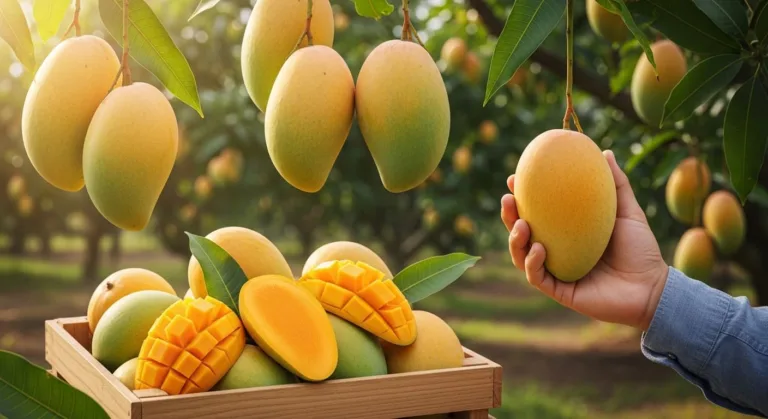
Picture this: it’s a hot summer day, and you bite into a juicy, golden mango. The sweet flavor explodes in your mouth, juice drips down your chin, and for a moment, nothing else matters. That’s the magic of mangoes! But here’s something that might blow your mind: mangoes have been making people happy for over 4,000 years. That’s right, ancient civilizations were enjoying this incredible fruit long before smartphones, pizza, or even chocolate bars existed!
Mangoes aren’t just delicious, they’re actually called the “king of fruits” in many countries. That’s a pretty big title! But once you learn about everything that makes mangoes special, you’ll understand why they deserve the crown. From their amazing health benefits to the surprising ways they grow, mangoes are way more interesting than you might think.
So whether you’re already a mango fan or you’ve never tried one, get ready to discover why this tropical fruit is loved by millions of people around the world. We’re going to explore where mangoes come from, what makes them so nutritious, the different varieties you can try, and even how farmers grow them. Trust me, by the end of this article, you’ll never look at a mango the same way again!
Where Do Mangoes Really Come From?
Let’s start with a fun fact: mangoes originally come from South Asia, especially India and Myanmar. They’ve been growing there for thousands of years! Ancient Indian texts and Buddhist writings mention mangoes, and legends say that Buddha himself meditated in a mango grove. Talk about a fruit with history!
But here’s where it gets interesting. Mangoes didn’t stay in Asia. Explorers and traders loved them so much that they carried mango seeds all over the world. Today, mangoes grow in tropical and subtropical regions across the globe, from Mexico to Thailand, from Brazil to Africa. It’s like mangoes went on a world tour and decided to stay everywhere! At Multanfarms.com, we know that mangoes thrive in warm climates, which is why you’ll find them growing in places that feel like summer year-round.
The mango tree itself is pretty impressive too. These trees can grow over 100 feet tall (that’s as high as a 10-story building!) and live for more than 100 years. Imagine a tree that your great-great-grandparents planted still producing fruit today. That’s not just a tree, that’s a family legacy!
What Makes Mangoes So Incredibly Healthy?
Okay, so mangoes taste amazing, but are they actually good for you? Absolutely! In fact, mangoes are packed with so many nutrients that they’re basically nature’s multivitamin. Let’s break down what’s inside this golden fruit.
Vitamin C is the superstar in mangoes. One cup of mango gives you almost your entire daily requirement of vitamin C! This vitamin helps your immune system fight off colds and keeps your skin healthy. It’s like having a tiny army of defenders protecting your body, all from eating something delicious.
Vitamin A is another big player. Mangoes are loaded with beta-carotene, which your body converts into vitamin A. This nutrient is super important for your eyesight. So when your parents tell you to eat your vegetables for good vision, you can tell them mangoes work too! Plus, vitamin A helps your skin stay smooth and healthy.
Mangoes also contain fiber, which helps your digestive system work properly. Think of fiber like a broom that sweeps through your intestines, keeping everything clean and moving. One mango has about 3 grams of fiber, which is pretty good for a fruit!
But wait, there’s more! Mangoes have antioxidants like mangiferin and quercetin. These are special compounds that protect your cells from damage. Imagine them as bodyguards for your cells, fighting off the bad guys that could make you sick. Pretty cool for something that tastes like candy, right?
How Many Types of Mangoes Are There?
Here’s something that might surprise you: there are over 500 different varieties of mangoes in the world! That’s like having 500 flavors of the same fruit. Each type has its own unique taste, size, color, and texture. Let’s talk about some of the most popular ones you might find at your local store or market.
Alphonso mangoes are often considered the best of the best. They’re grown mainly in India and have this incredibly sweet, rich flavor with almost no fibers. They’re small to medium-sized with golden-yellow skin. If mangoes are the king of fruits, Alphonso is like the emperor! However, they’re pretty expensive because they’re so special.
Tommy Atkins mangoes are probably the ones you see most often in American supermarkets. They’re large, have red and green skin, and are pretty tough, which makes them great for shipping long distances. They’re not as sweet as some other varieties, but they’re reliable and available almost year-round. Think of them as the dependable friend who’s always there when you need them.
Honey mangoes (also called Ataulfo) are small, kidney-shaped, and super sweet. They have this smooth, creamy texture and bright yellow skin. These are perfect if you like really sweet mangoes without too many fibers getting stuck in your teeth. They’re like the dessert version of mangoes!
Kent mangoes are big, juicy, and have a perfect balance of sweet and tangy flavors. They have greenish skin with a red blush and are really popular in many countries. These are great all-around mangoes that most people enjoy.
How Do Farmers Grow These Amazing Fruits?
Growing mangoes isn’t as simple as planting a seed and waiting for fruit to appear. It takes knowledge, patience, and lots of care. Let me walk you through what mango farmers do to bring you those delicious fruits.
First, mango trees take time to mature. If you plant a mango seed today, you’d have to wait 5-8 years before it produces fruit! That’s longer than elementary school. Most commercial farmers don’t want to wait that long, so they use a technique called grafting. This is where they take a cutting from a high-quality mango tree and attach it to a rootstock (the bottom part of another tree). It’s like giving the baby tree a head start by connecting it to something that’s already strong and established.
Climate is super important for mango trees. They love hot weather and need a dry period to trigger flowering. Too much rain at the wrong time can actually be bad for the fruit! Farmers have to understand the weather patterns and sometimes even irrigate (water) their trees carefully. At Multanfarms.com, experienced farmers know exactly when to water and when to hold back.
Protecting the fruit is another big job. Mango trees can get diseases and pests, just like you can catch a cold. Farmers have to watch for problems like fruit flies, fungal infections, and diseases that can ruin the crop. They might use protective bags around developing fruits or apply organic treatments to keep the mangoes healthy. It’s like being a doctor, but for trees!
Harvesting is done carefully by hand. Mangoes don’t all ripen at the same time, so workers have to check the trees regularly and pick fruits at just the right moment. They use long poles with baskets to reach high branches without damaging the fruit. One bruised mango can spoil quickly and affect others around it, so gentle handling is crucial.
Why Do Mangoes Change Color As They Ripen?
Ever noticed how mangoes can be green, yellow, red, or a mix of all three? The color change is actually a fascinating process! When mangoes are growing on the tree, they’re usually green because they’re full of chlorophyll, the same stuff that makes leaves green. This chlorophyll helps the fruit grow strong and healthy.
As the mango ripens, something cool happens. The chlorophyll breaks down, and other pigments start to show through. Carotenoids (which create yellow and orange colors) and anthocyanins (which create red colors) become visible. It’s like the mango is changing its outfit from work clothes to party clothes!
But here’s a tricky part: color doesn’t always tell you if a mango is ripe! Some varieties stay green even when they’re perfectly ripe, while others turn bright red or yellow. The best way to tell if a mango is ready to eat is by gently squeezing it. A ripe mango should give a little, like a tennis ball, and smell sweet near the stem. If it’s hard as a rock, it needs more time. If it’s mushy, you waited too long!
Fun Ways to Enjoy Mangoes Beyond Just Eating Them Fresh
Sure, biting into a fresh mango is amazing, but there are so many other delicious ways to enjoy this fruit! Let’s explore some creative options that you might want to try.
Mango smoothies are incredibly popular and super easy to make. Just blend mango chunks with yogurt, milk (or non-dairy milk), and maybe some ice. You can add other fruits like strawberries or bananas too. It’s like a tropical vacation in a glass! Some people add a pinch of cardamom or cinnamon for extra flavor.
Mango salsa might sound weird, but it’s seriously good! Mix chopped mango with red onion, cilantro, lime juice, and a little jalapeño if you like spice. This goes great with chips or on top of grilled fish or chicken. The sweet mango balances out the spicy and tangy flavors perfectly.
Dried mango is a chewy, sweet snack that’s become really popular. When you dry mangoes, the sugars concentrate, making them taste even sweeter. They’re perfect for lunchboxes or hiking trips. Just watch out, they can be pretty sticky!
Mango sticky rice is a famous Thai dessert that combines sweet mangoes with coconut-flavored sticky rice. It sounds simple, but the combination is absolutely incredible. If you ever see this at a Thai restaurant, you’ve got to try it!
In many countries, people also eat green mangoes (unripe ones) with salt and chili powder. The sour, crunchy texture is totally different from ripe mangoes and creates a unique snack experience. It’s proof that mangoes are versatile at every stage!
The Environmental and Economic Impact of Mangoes
Mangoes aren’t just important because they taste good, they actually play a huge role in the world economy and environment! Let’s talk about why mangoes matter beyond your taste buds.
Millions of people depend on mangoes for their livelihood. Farmers, pickers, packers, truck drivers, and sellers all make money from the mango industry. In countries like India, Pakistan, and Mexico, mango farming supports entire communities. When you buy a mango, you’re helping families put food on their tables and send their kids to school.
Mango trees are great for the environment too. Like all trees, they absorb carbon dioxide and produce oxygen. A mature mango tree can absorb around 48 pounds of carbon dioxide per year! Plus, mango orchards provide homes for birds, insects, and other wildlife. They’re like little ecosystems that support biodiversity.
However, there are also challenges in mango farming. Climate change is affecting mango production, with unpredictable weather patterns making it harder for farmers to grow consistent crops. Water usage is another concern, as mango trees need irrigation in dry areas. At Multanfarms.com, we support sustainable farming practices that protect both the environment and the livelihoods of farmers.
Your Mango Journey Starts Now!
So there you have it, everything you need to know about the incredible mango! From its ancient origins in South Asia to the hundreds of varieties available today, from its amazing health benefits to the skilled farmers who grow them, mangoes truly deserve their title as the king of fruits.
Next time you see mangoes at the store, maybe you’ll pick one up and try a variety you’ve never tasted before. Or perhaps you’ll experiment with making mango smoothies or salsa. You might even look into visiting a mango farm if you live near one, Multanfarms.com would tell you it’s a fascinating experience!
The world of mangoes is sweet, colorful, and full of surprises. Whether you eat them fresh, dried, blended, or in creative recipes, you’re enjoying a fruit with thousands of years of history and a bright future ahead. So here’s a question for you: what’s your favorite way to eat a mango, or if you haven’t tried one yet, which variety sounds most interesting to you? The mango adventure is waiting!