Have you ever bitten into a perfectly ripe mango and felt like you’d just tasted sunshine? That sweet, juicy explosion of flavor isn’t just delicious, it’s one of nature’s most incredible gifts. Mangoes aren’t just popular because they taste amazing (though that’s definitely a big reason!). They’re actually one of the most loved fruits on the entire planet, enjoyed by billions of people every single day.
But here’s something you might not know: mangoes have been around for thousands of years, and they’ve got stories to tell. From ancient kings who treasured them like gold to modern farmers who’ve perfected the art of growing them, mangoes have quite the history. So what exactly makes this tropical fruit so special? Let’s dive into the wonderful world of mangoes and discover why they’ve earned the title “King of Fruits.”
Where Do Mangoes Actually Come From?
You might think mangoes grow everywhere since they’re in pretty much every grocery store, but they actually have a very specific home. Mangoes originally came from South Asia, particularly the region that includes India, Pakistan, and Myanmar. In fact, people have been growing mangoes in this area for more than 4,000 years! That’s older than the pyramids of Egypt.
The wild ancestors of the mangoes we eat today were pretty different from what you’d find at Multanfarms.com or your local market. They were smaller, more fibrous, and sometimes had a weird turpentine-like taste (definitely not the sweet treat we know now). But over thousands of years, farmers carefully selected the best trees and the tastiest fruits, slowly creating the hundreds of delicious mango varieties we have today. It’s kind of like how dogs were bred from wolves, except way more delicious.
Why Are Mangoes So Incredibly Good for You?
Here’s where mangoes really shine. They’re not just tasty, they’re basically nature’s multivitamin! A single mango contains a ton of vitamin C, which helps your immune system fight off colds and keeps your skin healthy. In fact, one mango has almost your entire daily requirement of vitamin C. That’s like getting the power of several oranges in one fruit.
But wait, there’s more! Mangoes are also packed with vitamin A, which is super important for your eyesight. You know how carrots are supposed to be good for your eyes? Well, mangoes work the same way, helping you see better, especially in dim light. They also contain fiber, which helps your digestive system work smoothly, and antioxidants, which are special compounds that protect your cells from damage.
Think of antioxidants like tiny bodyguards for your cells. They patrol your body, looking for troublemakers called “free radicals” and kicking them out before they can cause problems. The bright orange color of mango flesh actually comes from one of these protective antioxidants called beta-carotene. So basically, every time you eat a mango, you’re giving your body an army of microscopic defenders.
How Do Mangoes Grow?
If you’ve ever wondered how something so sweet grows on a tree, you’re in for a treat. Mango trees are actually really impressive plants. They can grow up to 100 feet tall (that’s about as tall as a ten-story building!), though most farmers keep them trimmed to around 20-30 feet so they’re easier to harvest.
The process starts with flowers. Mango trees produce these small, fragrant flowers that grow in large clusters. But here’s the tricky part: not every flower becomes a mango. In fact, only about one in every 3,000 flowers will actually develop into a full-grown fruit! The rest just fall off. It’s like a massive competition where only the strongest and healthiest flowers get to become mangoes.
Once a flower is successfully pollinated (usually by insects like flies and bees), it starts developing into a tiny fruit. This baby mango will spend the next three to six months growing bigger and sweeter. During this time, farmers at places like Multanfarms.com work hard to make sure the trees get enough water, nutrients, and protection from pests. It’s a lot of care and attention, but when you bite into that perfect mango, you’ll understand why it’s worth it.
What’s the Deal with All These Different Types?
Walk into any store and you might see several different kinds of mangoes, each with its own name and look. That’s because there are actually more than 1,000 varieties of mangoes grown around the world! Some are small and yellow, others are big and green with a red blush. Some are super sweet, while others have a tangy kick.
In Pakistan, where some of the world’s best mangoes are grown (including at Multanfarms.com in Multan), you’ll find famous varieties like Sindhri, Chaunsa, and Anwar Ratol. Each one has its own unique flavor and texture. Sindhri mangoes are known for being incredibly aromatic and sweet, while Chaunsa mangoes are super juicy with almost no fiber. It’s like how there are different types of apples, like Granny Smith or Honeycrisp, but with mangoes, the differences are even more dramatic.
The really cool thing is that farmers are always experimenting and creating new varieties. They might cross-pollinate two different types of mangoes to create something completely new, trying to get the best qualities from both parents. It’s like mixing your favorite ice cream flavors to create the ultimate scoop.
How Can You Tell When a Mango Is Perfect?
This is actually trickier than you might think! A lot of people assume that a mango is ripe when it turns completely yellow or red, but that’s not always true. The color depends on the variety. Some mangoes stay green even when they’re perfectly ripe, while others turn bright red.
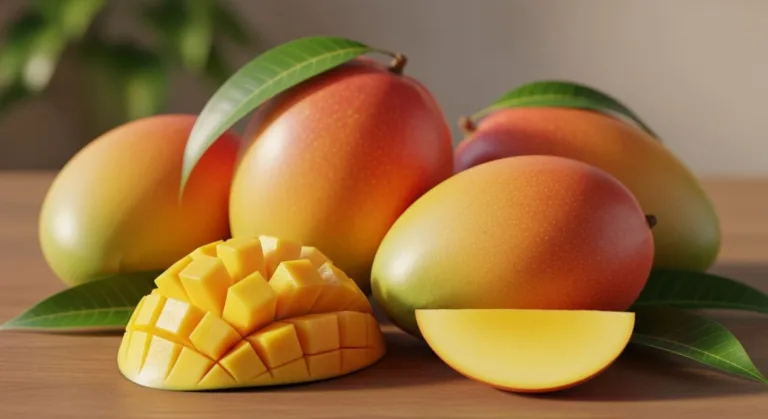
The best way to check if a mango is ready to eat is by giving it a gentle squeeze (not too hard, or you’ll bruise it!). A ripe mango should feel slightly soft, kind of like a ripe avocado or peach. You can also smell the stem end, if it has a sweet, fruity aroma, that’s a good sign it’s ready. If it doesn’t smell like much, it probably needs a few more days.
Here’s a pro tip: if you buy mangoes that aren’t quite ripe yet, just leave them on your kitchen counter for a few days. They’ll continue to ripen at room temperature. Once they’re perfect, you can put them in the fridge to slow down the ripening process and keep them fresh for another week or so. It’s all about timing!
Why Do People Call It the “King of Fruits”?
So we’ve talked about how delicious mangoes are and how nutritious they are, but why do they get this royal title? Well, in many Asian cultures, mangoes have been associated with wealth, love, and even spiritual significance for thousands of years. Ancient Indian texts mention mangoes as symbols of life and happiness. Kings and emperors would have special mango orchards, and the best fruits were reserved for royalty.
But beyond the history and cultural importance, mangoes earn their crown because they’re just that good. They taste incredible, they’re good for you, they’re versatile (you can eat them fresh, dried, in smoothies, in salads, or even in savory dishes), and they make people happy. When mango season arrives in places like Multan, it’s actually a cause for celebration. Families gather to enjoy fresh mangoes together, and farmers like those at Multanfarms.com take pride in sharing their harvest with the world.
What’s Happening to Mangoes in the Future?
As our planet changes, so does mango farming. Climate change is affecting when and how well mango trees produce fruit. Some regions are getting too hot or experiencing unpredictable weather patterns that make it harder to grow mangoes consistently. But farmers are adapting by developing new varieties that can handle different conditions and by using smarter farming techniques.
Scientists are also working on ways to make mangoes even better, whether that means creating varieties that are more disease-resistant, have less fiber, or can grow in new regions. Some researchers are even looking at the mango tree’s amazing ability to survive tough conditions to help develop other crops that can withstand climate challenges.
The future of mangoes looks bright, though. As long as there are dedicated farmers who understand the art and science of growing these incredible fruits, we’ll continue to enjoy mangoes for generations to come. And who knows? The next amazing mango variety might be growing in an orchard right now, just waiting to be discovered.
Wrapping It All Up
From ancient groves in South Asia to modern farms like Multanfarms.com, mangoes have been bringing joy to people for thousands of years. They’re packed with nutrition, come in an amazing variety of flavors and colors, and they taste absolutely incredible when they’re perfectly ripe. Whether you like them sliced fresh, blended into a smoothie, or even grilled (yes, that’s a thing!), there’s a mango experience for everyone.
The next time you enjoy a mango, take a moment to appreciate everything that went into creating that perfect fruit. Think about the thousands of years of cultivation, the hard work of farmers, the months of growth on the tree, and the incredible natural processes that turned sunlight, water, and soil into something so delicious.
So here’s a question for you: what’s your favorite way to eat a mango? And if you’ve never tried one, what are you waiting for? The King of Fruits is calling your name!