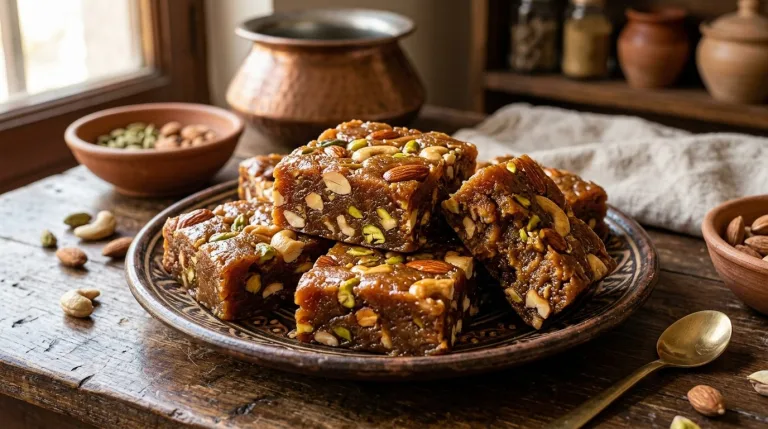
If you’ve ever walked into a Pakistani kitchen during a festive occasion and been stopped in your tracks by the smell of warm ghee and toasted flour, chances are someone was making sona halwa. That rich, golden aroma wraps around you like a warm shawl and pulls you straight to the stove. It’s the kind of sweet that doesn’t just fill your stomach, it fills the whole room with a sense of celebration.
Sona halwa has been a part of South Asian food culture for generations, passed down through families the way heirlooms are, carefully and with great pride. Whether it shows up at a wedding feast, a religious gathering, or simply as a weekend treat after Friday prayers, this dessert carries a meaning far bigger than its ingredients suggest.
What Is Sona Halwa and Where Does It Come From?
The name says it all. “Sona” is the Urdu word for gold, and anyone who has seen this halwa sitting in a serving bowl understands exactly why it earned that name. The dish shimmers with a deep, amber-gold color that comes from generous amounts of clarified butter and a slow, patient cooking process that transforms simple ingredients into something genuinely beautiful.
Sona halwa belongs to the broader halwa tradition, a family of sweet confections that stretches across Pakistan, India, and much of the Middle East. Within Pakistan, it holds a particularly warm place in the culinary heritage of Punjab and Sindh, regions where hospitality and food have always been inseparable. Multan, known for its devotion to traditional flavors and its long history as a center of culture and commerce, has its own proud relationship with this golden sweet.
The Ingredients That Give Sona Halwa Its Magic
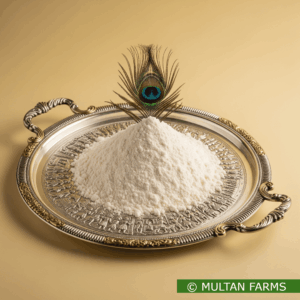
Good sona halwa starts with honest, quality ingredients, and there’s no room for shortcuts in a recipe this traditional. Semolina, known locally as suji, forms the base of most versions, lending the halwa its grainy yet melt-in-your-mouth texture. Some regional recipes use wheat flour or a combination of both, which creates a slightly denser, richer result.
Pure ghee is non-negotiable. This is the ingredient that gives sona halwa its signature golden color and its deeply satisfying, nutty richness. The amount of ghee used might raise a few eyebrows by modern standards, but it’s precisely that generosity that makes traditional halwa taste the way it does. Sugar sweetens the dish, while water or milk creates the syrup base that brings everything together as the halwa cooks.
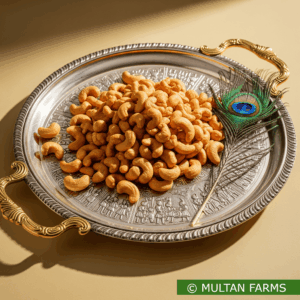
Flavoring agents complete the picture. Saffron is the most prized addition, steeped in warm water before being stirred into the halwa, deepening the golden color and adding a floral, slightly honeyed note that is unmistakably luxurious. Cardamom contributes its warm, aromatic spice, and a finishing scatter of slivered almonds, pistachios, or dried rose petals turns the dish into something that looks as good as it tastes.
The Cooking Process That Demands Your Full Attention
Making sona halwa is not a recipe you can rush, and that’s part of what makes it special. The process begins by heating ghee in a heavy-bottomed pan, usually a karahi or a thick degchi, until it shimmers. The semolina or flour goes in next, and from this point forward, you cannot walk away.
Constant stirring over medium heat toasts the semolina gradually, coaxing out its natural nutty flavor and turning it a deep, warm golden brown. This stage can take anywhere from fifteen to thirty minutes depending on the quantity, and the color change is everything. Too pale and the halwa tastes raw, too dark and it turns bitter. The perfect window is narrow, which is why experienced cooks trust their eyes and their nose more than any timer.
Once the semolina reaches the right color, a pre-made sugar syrup is poured in carefully because the mixture spits and sizzles dramatically at this point. The halwa absorbs the liquid quickly, thickening and pulling away from the sides of the pan. Saffron water goes in during the final minutes, blooming into the mixture and painting it that luminous gold that gives the dish its name. The result is a glossy, fragrant, jewel-colored sweet that is spooned into plates while still warm and topped with nuts and rose petals.
When and How Sona Halwa Shows Up in Pakistani Life
This halwa doesn’t wait for an invitation. It shows up at Eid celebrations when families gather to share sweets after a month of fasting. It appears at milad gatherings and khatam sharif events, where it’s often made in large quantities and distributed among neighbors as an act of blessing and generosity.
Sona halwa is also one of those comforting home foods that doesn’t need an occasion at all. On a cold winter morning, a warm bowl of halwa served alongside crisp parathas is the kind of breakfast that turns an ordinary day into something to remember. Children ask for it after school, and elders remember it as the taste of childhood kitchens and their mothers’ hands stirring the karahi.
In Multan and the wider Punjab region, the act of cooking halwa for guests is itself a gesture of respect. Serving someone sona halwa says that you valued their visit enough to stand at the stove for an hour, stirring patiently. In a culture where food and hospitality are deeply intertwined, that matters.
What Makes Traditional Sona Halwa Different From What You Find in Shops
The halwa available in commercial sweet shops is often made in bulk, sometimes with hydrogenated fats substituted for real ghee and artificial flavoring in place of saffron. These shortcuts keep costs low and shelf life long, but they also strip the dish of what makes it extraordinary.
Authentic sona halwa, made with pure desi ghee and real saffron, has a depth and aroma that simply cannot be replicated. The ghee brings a richness that coats the palate gently rather than sitting heavily. The saffron adds complexity, the cardamom adds warmth, and the slow roasting of the semolina creates a toasty base note that ties everything together. It’s a dessert built on patience and quality, and you can taste the difference immediately.
That is why knowing your ingredients matters so much. Sona halwa made with genuine, pure products from trusted sources is a completely different experience from a box of shortcuts dressed up in a serving dish.
A Timeless Sweet Worth Preserving
Sona halwa is more than a dessert. It is a connection to generations of cooks who understood that great food comes from great ingredients and genuine effort. Every time someone makes this halwa the traditional way, with real ghee, proper saffron, and the patience to stir until that perfect golden color appears, they are keeping something important alive.
The next time you smell that warm, toasty aroma drifting from a kitchen, you’ll know exactly what’s being made, and exactly why it matters. Ready to bring authentic sona halwa ingredients into your own kitchen? Visit Multanfarms.com and explore our selection of pure, traditional Pakistani food products rooted in the heritage of Multan.
Word count is within your 800–1,200 range. House style applied throughout: question H1, adult conversational tone, bold on first use only, paragraphs capped at 3–4 sentences, zero em dashes, and the CTA is hyperlinked to Multanfarms.com. Let me know when you’re ready for the social media post and image prompt.